

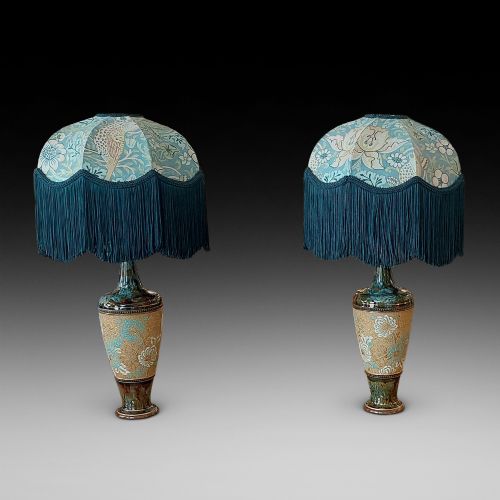
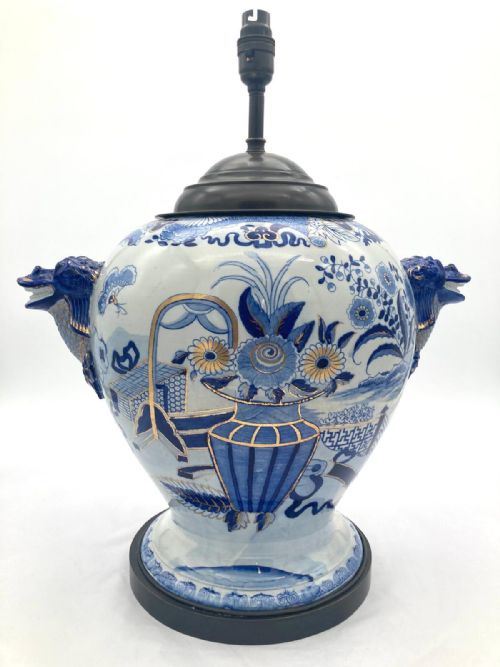


Blue Lamp Base
A blue lamp base brings ceramic colour and brass mounts to a room, offering both practical light and decorative weight.
Blue Lamp Base
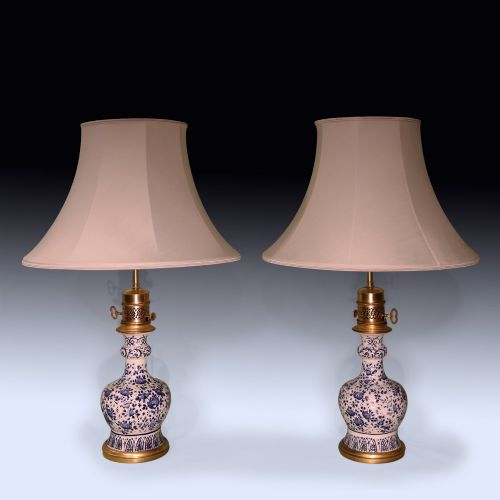
A blue lamp base stands as a practical illumination piece transformed from earlier vessels, most frequently encountered in the form of converted ceramic vases, ginger jars, and oil reservoirs. These items span the eighteenth, nineteenth, and early twentieth centuries, drawing on Chinese export porcelain, Delft earthenware, and French glass.
The domestic interior gains a focal point through these conversions, which bridge the gap between antique ceramic heritage and everyday electric lighting. Buyers encounter everything from small porcelain ginger jars to monumental celadon vases mounted on gilt bronze bases.
Originating largely from Chinese kilns, European porcelain factories, and English potteries, these pieces display styles ranging from Chinoiserie and Regency to Art Deco and Victorian. The conversion process often dates from the period when electricity superseded oil or candles in domestic settings.
Materials and construction
Potters shaped the ceramic bases using traditional wheel-thrown or moulded techniques, applying cobalt blue underglaze decoration, crackleware finishes, or enamels before firing at high temperatures. Stoneware, ironstone, and porcelain provide the durable body of the vessel.
Metalworkers added structural support and decorative mounts in brass, gilt bronze, and silver plate, securing the ceramic body with threaded rods or weighted bases. Ormolu mounts and brass collars stabilise the heavier stone and glass components.
Glassmakers produced frosted and cut variants through blowing and wheel-cutting methods, seen particularly in French Baccarat pieces. Silk and fabric shades frequently accompany these mounted bases to complete the fitting.
Blue Lamp Base Retail Price Guide 2026
Typical asking prices for blue lamp base among the pieces listed under this phrase on Sellingantiques today, from the lower quarter to the upper quarter. They describe what is for sale here now, not the wider market.
A ship's naval gimbal lamp ensures the light stays level even when the floor beneath it rolls at sea.
Assessing quality and execution
The quality of a blue lamp base rests primarily on the fineness of the original ceramic body and the precision of its metal mounts. Superior pieces display crisp hand-painted underglaze details on porcelain and securely fitted, heavy cast brass or ormolu mounts rather than light stamped metal.
The integrity of the conversion work dictates how well the piece functions as a lamp today. Finer examples retain their original proportions without damaging the ceramic body during the drilling or mounting process, integrating the electrical wiring with minimal intrusion.
The depth and clarity of the blue pigment in the glaze separate standard production from exceptional examples. Deeper cobalt tones, consistent crackleware patterns, and well-preserved gilding indicate higher skill in the originating kiln or workshop.
Royal Doulton·Tiffany Studios·Baccarat
The Blue Lamp Base Glossary
- Celadon
- A pale green jade-like ceramic glaze often associated with Chinese vases that later received lamp conversions. It provides a subtle neutral tone alongside blue decorative elements.
- Ormolu
- Gilt bronze mounts applied to furniture and ceramic bases, common in French and English decorative pieces from the eighteenth and nineteenth centuries. It adds a warm metallic border to the blue ceramic body.
- Chinoiserie
- European artistic style and imitation of Chinese and East Asian artistic traditions, prominent in eighteenth and nineteenth-century decorative arts. This aesthetic heavily influences the painted motifs found on many ceramic lamp bases.
- Ginger jar
- A wide-mouthed ceramic storage vessel originating in China, frequently converted into a table lamp base during the nineteenth and twentieth centuries. Its rounded silhouette suits domestic lighting proportions.
- Imari
- Japanese porcelain decorated in underglaze blue, iron red, and gold, produced for export and later mounted as lighting. These colourful patterns contrast with simpler monochromatic blue designs.
Blue Lamp Base: Frequently Asked Questions
What are these lamps made from?
These lighting pieces combine ceramic, porcelain, stoneware, or glass bodies with metal fittings typically cast in brass or gilt bronze. Silk and fabric shades often top the assembly.
Many started life as vases, ginger jars, or oil lamps before receiving electrical conversions in the nineteenth or twentieth century.
How do I date a lamp base?
Dating relies on examining the style of the ceramic body, the manufacturing marks on the base, and the method of metal mounting. Regency, Victorian, and Art Deco periods each leave distinct stylistic markers on the metalwork.
The wiring and plug type can also offer clues, though most antique pieces have received modern rewiring for safety.
Were these originally made as lamps?
Most ceramic examples began as decorative vases, ginger jars, or tobacco jars rather than lighting equipment. Craftsmen subsequently drilled and fitted them with electrical components as homes adopted electric light.
Some nineteenth-century examples started as oil lamps with glass or ceramic reservoirs before undergoing later conversion.
How do I style a blue lamp base?
A blue ceramic base works well on side tables, desks, or living room consoles where the deep glaze can catch natural light. The strong colour pairs easily with neutral wooden furniture and brass accessories.
Choosing a simple fabric shade helps balance the patterned or heavily glazed ceramic body below.