


Blue Kurdish Carpet
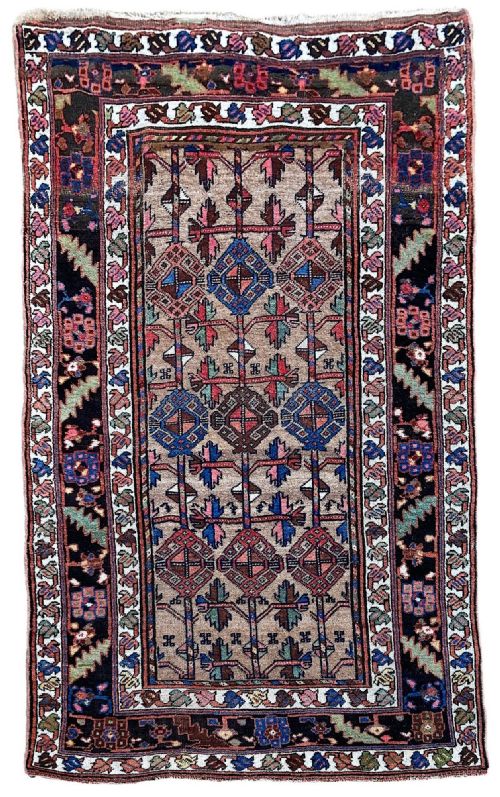
A blue kurdish carpet brings dense tribal motifs and deep indigo shades into a room, offering durability through heavy wool construction.
Blue Kurdish Carpet
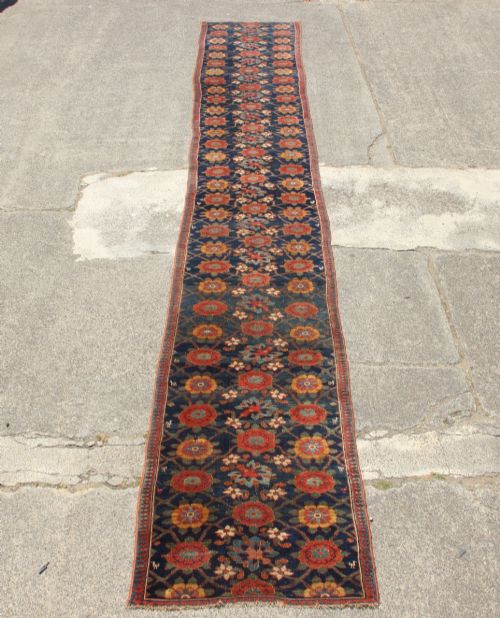
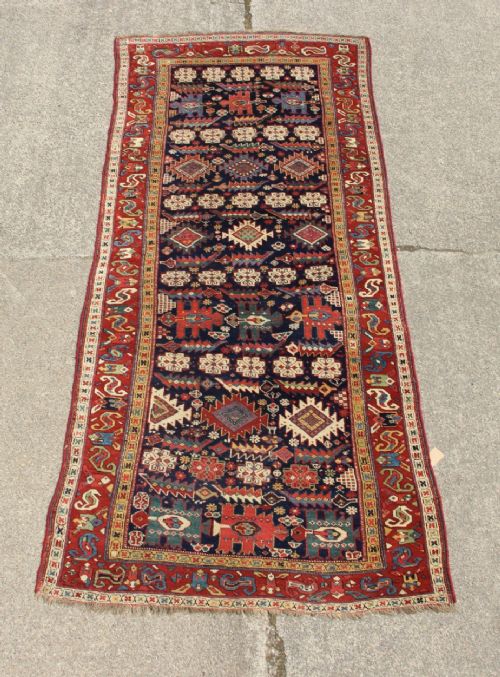
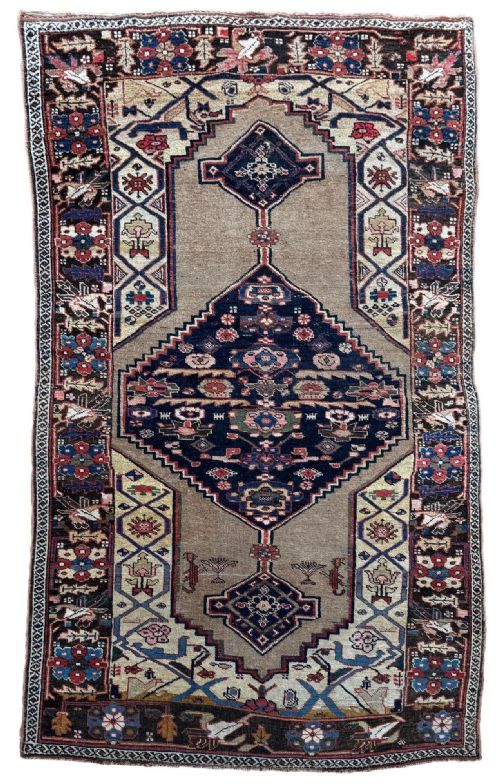
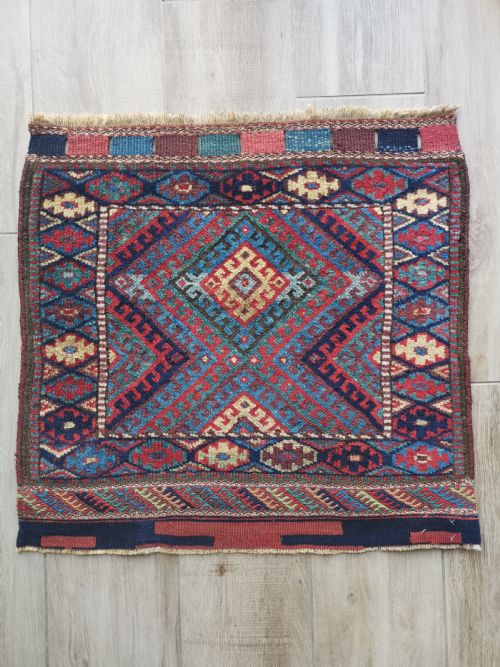
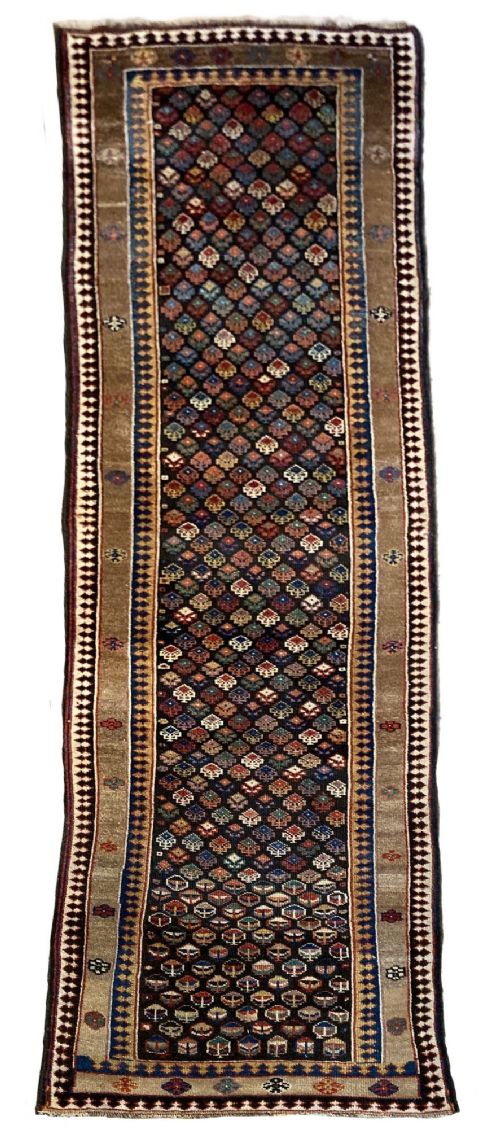
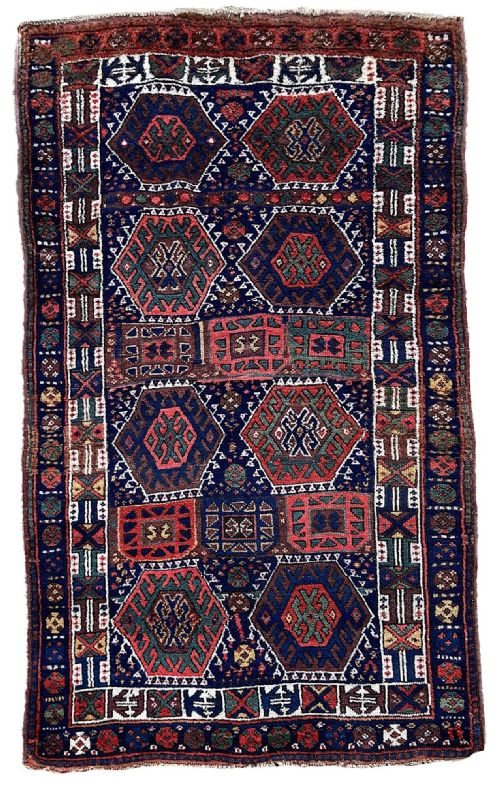
A blue kurdish carpet encompasses village and tribal weaves originating from Persian and Anatolian regions during the nineteenth and early twentieth centuries. These pieces appear in various formats, including standard area rugs, long runners for hallways, and large kelleh formats.
The aesthetic centres on deep indigo and sapphire fields populated by geometric motifs, Mina Khani patterns, and repeating boteh designs. Buyers frequently encounter examples bearing traditional village markers, such as Memlinc guls or structured trellis layouts.
Tribal groupings such as the Jaf, Bidjar, Senneh, and Kolyai contribute distinct regional traits to this category. Pieces span from the 1860s through the 1930s, reflecting the enduring hand-weaving traditions of Kurdish communities.
Materials and construction methods
Weavers constructed these carpets using sturdy wool piles secured to cotton or wool foundation warps and wefts. Many pieces utilise hand-spun wool, which imparts a tactile depth and irregular texture across the surface of the weave.
Natural dyes provide the characteristic blue palettes, derived from plant sources that age with subtle tonal variations. Artisans knotted these textiles firmly, producing dense structures intended to withstand generations of floor use.
Several runners proudly display depictions of tribal figures woven right alongside traditional geometric medallions.
Factors influencing quality
Knot density and structural tightness dictate the longevity and fine detail of the weave, separating robust everyday floor coverings from finer workshop pieces. Uniformity in pile height and the precision of geometric layouts also indicate the skill of the weaver.
The complexity of the dye work influences visual depth, where varied indigo tones and rich secondary colours create a more compelling surface. Preservation of original borders and minimal pile wear distinguish well-maintained examples from heavily restored ones.
The Blue Kurdish Carpet Glossary
- Kelleh
- A large format rectangular rug, typically longer than a standard room size but narrower than a full carpet.
- Boteh
- A traditional almond or teardrop-shaped motif representing a floral spray or cypress tree, frequently repeated across fields.
- Gul
- A medallion or repeating octagonal stamp motif often found in tribal and nomadic weaving traditions.
- Mina Khani
- An all-over repeating pattern composed of daisy-like flowers connected by a geometric trellis grid.
- Warp
- The vertical foundation threads stretched tightly on the loom that hold the entire structure of the rug.
Blue Kurdish Carpet: Frequently Asked Questions
What is a blue kurdish carpet?
A blue kurdish carpet is a hand-knotted textile created by tribal and village weavers in regions spanning modern-day Iran and Turkey. These floor coverings utilise resilient wool and natural indigo dyes to form geometric and floral motifs.
Such textiles range from compact mats to expansive hallway runners and large kelleh formats. Their construction reflects the distinct cultural aesthetics of communities including the Jaf, Bidjar, and Senneh.
How do I care for my rug?
Regular gentle vacuuming without a rotating brush bar prevents dirt from settling deep into the wool pile. Professional cleaning suited to antique vegetable-dyed wool ensures the preservation of the fibres.
Placing a breathable underlay beneath the textile prevents slipping and reduces friction against hard flooring. Minimising direct, harsh sunlight exposure protects the natural blue dyes from fading prematurely.
Where were these carpets made?
Weavers produced these textiles across Kurdish regions of West Persia and Eastern Anatolia. Specific districts such as the Chahar Mahal Valley and towns like Bidjar and Senneh served as prominent production hubs.
Nomadic and village groups utilised local materials from their surrounding environments, incorporating regional design symbols passed down through generations.
How old are these pieces?
The available evidence dates these carpets from the mid-nineteenth century through the 1930s. Most examples originate from the Victorian era up to the interwar period.
Stylistic conventions, structural materials, and structural wear help place specific items within this broad historical timeline.