
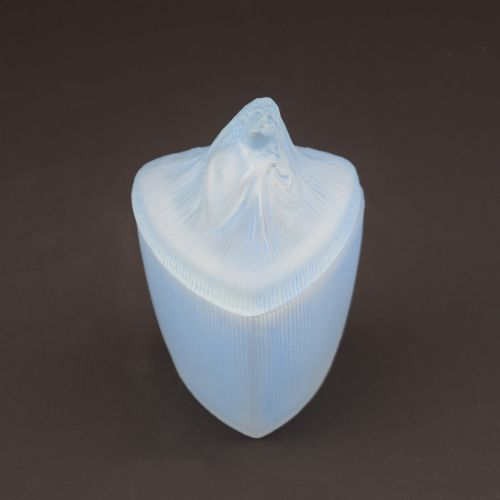


Blue Glass Trinket Box
These small containers offer a neat place for small keepsakes, bringing rich colour to a dressing table.
Blue Glass Trinket Box
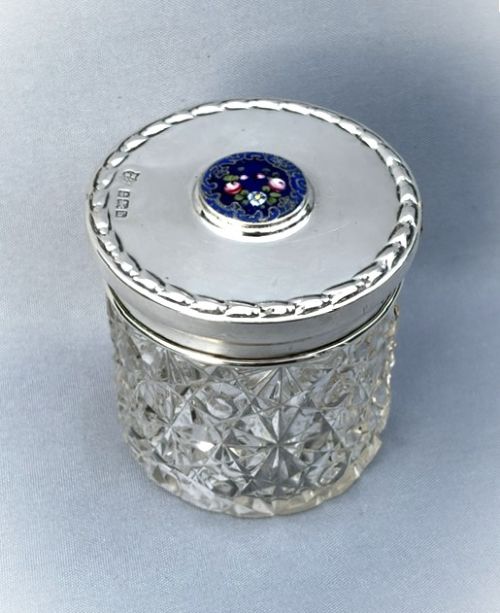
A blue glass trinket box is a dressing table accessory designed to hold small personal items, vanity items or patches.
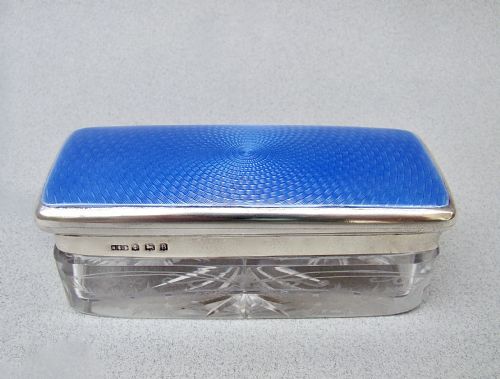
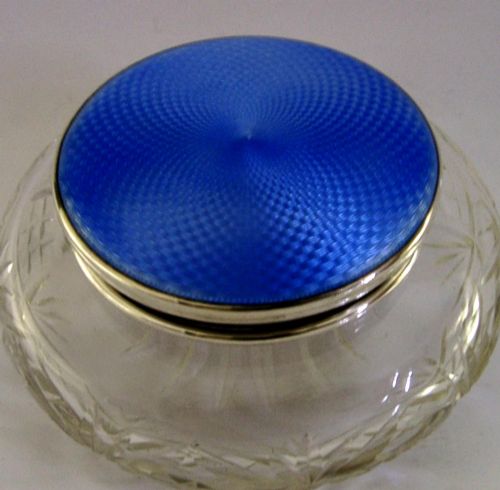
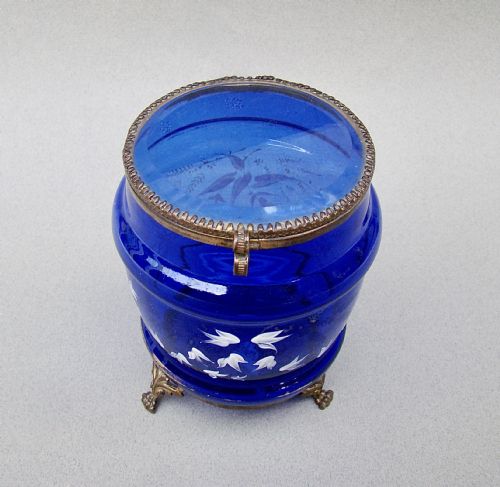
The selections range from eighteenth-century Georgian patch boxes through nineteenth-century French ormolu mounts and Bristol blue glass to twentieth-century Art Deco sterling silver and guilloche enamel designs.
The nineteenth-century French Bristol blue examples appear most frequently, often decorated with hand-painted enamel work.
Assessing quality
Quality rests in the crispness of the metal casting, the weight and clarity of the glass, and the precision of the enamel work.
Finely detailed mountings and well-preserved painted or enamelled decoration separate standard dresser pieces from superior examples.
A tiny eighteenth-century patch box once helped Georgian nobility hide small facial blemishes in polite company.
Henry Clifford Davis·Rene Lalique
The Blue Glass Trinket Box Glossary
- Bristol blue glass
- A deep, vibrant cobalt glass traditionally associated with West Country production. It provides a striking backdrop for white or polychrome enamel decoration.
- Guilloche enamel
- A decorative technique where a geometric pattern is mechanically engraved onto metal beneath a translucent layer of coloured enamel. This creates a shimmering, patterned depth.
- Ormolu
- Gilded bronze mounts used extensively in nineteenth-century French pieces. It provides a warm, golden contrast to the deep blue glass.
- Patch box
- A small eighteenth-century container originally meant for holding cosmetic face patches. They often feature hinged lids with inset enamel plaques.
- Vanity jar
- A dressing table container intended for powders, creams or pins. They often combine glass bodies with heavy silver or enamelled lids.
Blue Glass Trinket Box: Frequently Asked Questions
What were these boxes originally used for?
These containers served practical roles on dressing tables and desks, holding small personal treasures, pins, cosmetics or silk patches.
Over time, they evolved from functional vanity items into decorative desktop ornaments.
How do I date a blue glass box?
Dating relies on combining the style of the metal mounts, the framing technique, and any hallmarks present on the silver components.
Georgian and Victorian pieces display different mount thicknesses and hinge styles compared to later Art Deco designs.
Are the metal mounts always silver?
Metal mounts vary significantly across periods, utilising sterling silver, brass, or gilt bronze known as ormolu.
Nineteenth-century French boxes frequently employ ormolu, while British twentieth-century pieces often feature marked sterling silver.
How should I clean the glass and enamel?
Care requires a soft, dry cloth to remove dust from the glass and metal surfaces without disturbing delicate enamel work.
Liquid cleaners should remain far away from antique mountings and painted panels to prevent moisture damage.