




Blue Glass Powder Jar
A blue glass powder jar brings vibrant colour and refined dressing table utility to a room.
Blue Glass Powder Jar
A blue glass powder jar is a dressing table accessory designed to hold face powder or cosmetics, typically topped with a fitted lid made of silver, enamel, or glass. These vanity items span several decades, moving from ornate nineteenth-century French designs to geometric twentieth-century styles.
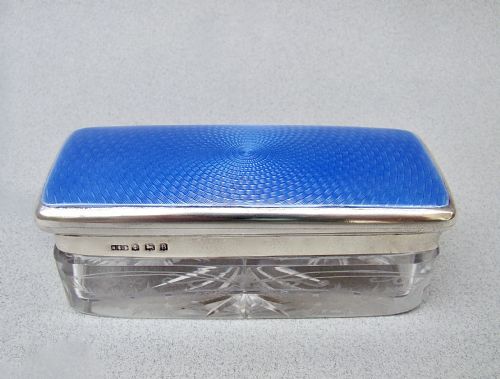
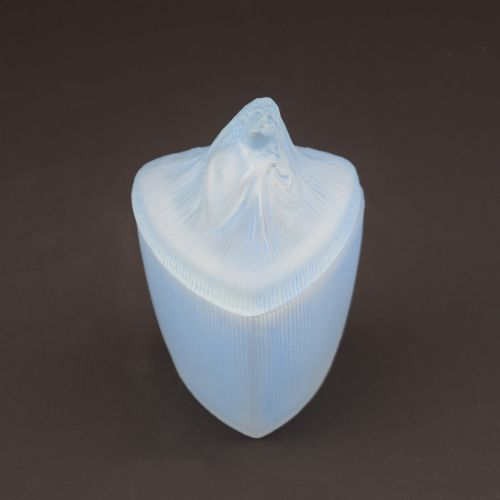
The versions most commonly met on this page include Art Deco pieces with sterling silver and guilloche enamel tops, alongside Edwardian and earlier nineteenth-century French examples. Makers such as Henry Clifford Davis and Rene Lalique are represented among the surviving pieces.
Forms range from simple lidded bowls and dressing table jars to vanity sets and perfume combinations. Materials combine deep blue Bristol or Clichy glass with precious metals and vitreous enamel finishes.
Materials and construction methods
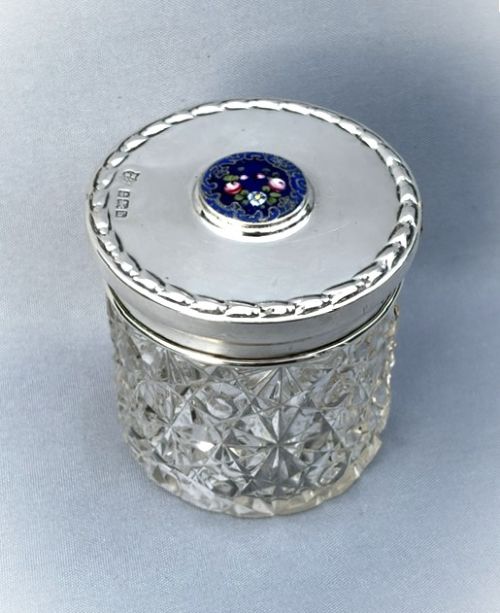
Glass bodies were shaped through blowing or pressing techniques, utilising rich cobalt hues or opalescent and frosted finishes. Factories produced vessels in distinct shades, sometimes employing cut glass to create faceted patterns that caught the light.
Lids and mounts relied on sterling silver, often hallmarked in assay offices such as Birmingham. Many lids featured guilloche enamel or hand-painted floral motifs applied directly onto the metal surface.
Blue Glass Powder Jar Retail Price Guide 2026
Typical asking prices for blue glass powder jar among the pieces listed under this phrase on Sellingantiques today, from the lower quarter to the upper quarter. They describe what is for sale here now, not the wider market.
Listings feature items spanning the nineteenth century through the Art Deco period, incorporating sterling silver, frosted glass, and guilloche enamel.
Assessing craftsmanship and finish
Quality rests in the weight and clarity of the glass, together with the precision of the silver smithing on the lid. Crisp guilloche engraving beneath translucent enamel indicates superior workshop standards compared to simpler pressed metal mounts.
The integration between the glass vessel and its metal rim determines the overall refinement of the piece. Well-executed pieces display seamless joints and retain their original patination across the silver components.
Henry Clifford Davis·Rene Lalique
The Blue Glass Powder Jar Glossary
- Guilloche enamel
- A decorative technique involving precise mechanical engraving beneath a translucent layer of coloured enamel. This method creates repeating geometric patterns that catch the light.
- Bristol blue glass
- A deep, vibrant cobalt blue glass traditionally associated with English production from the eighteenth and nineteenth centuries. It provides a striking backdrop for silver mounts.
- Opalescent glass
- Glass that exhibits a milky, milky-blue or iridescent appearance when lit from different angles. It is particularly characteristic of early twentieth-century decorative pieces.
- Sterling silver
- An alloy consisting of silver and other metals, typically copper, standardly used for the lids and decorative collars of these jars. Hallmarks on the silver often help date the piece.
Blue Glass Powder Jar: Frequently Asked Questions
What were blue glass powder jars used for?
These vessels sat on dressing tables and boudoir desks to hold loose face powder, dusting powder, or small trinkets. Their fitted lids kept cosmetics clean and protected from moisture.
They formed part of larger matching vanity sets that included perfume bottles, hairbrushes, and small trays for daily grooming routines.
How do I date a blue glass powder jar?
Dating relies on hallmarks stamped on the silver mounts, stylistic indicators such as Art Deco geometric lines or Edwardian floral motifs, and manufacturing techniques. Silver marks often reveal the exact year of assay and the workshop origin.
Glass characteristics, such as the mould seams on pressed glass or the distinct tones of nineteenth-century French Bristol glass, also help narrow down the period of production.
How should I clean a silver and glass jar?
Glass bodies can be washed gently in warm soapy water using a soft cloth, avoiding abrasive pads that might scratch the surface. Care must be taken around any painted enamel or bonded silver rims.
Silver lids require a dedicated silver polishing cloth used sparingly to prevent polish residue from getting trapped in engraved guilloche patterns or enamel recesses.
Are these jars safe to use for modern cosmetics?
While original vanity jars were designed for cosmetic storage, modern users often keep them for display or for holding dry items like cotton wool balls or small jewellery pieces. The interior surfaces can be gently cleaned if used for storage.
Enamel and silver components benefit from keeping away from prolonged exposure to moisture or modern chemical cosmetics to preserve their historic finishes.