



Blue Glass Collectible
These pieces of blue glass collectible bring striking colour and sculptural form to a room, spanning delicate scent bottles and heavy moulded bowls.
Blue Glass Collectible
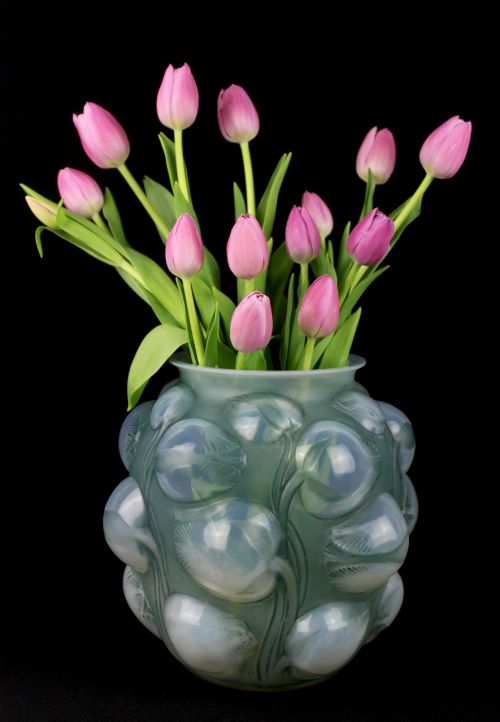
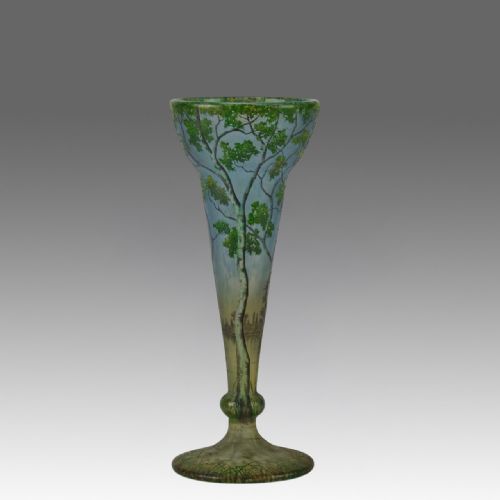
When you search for a blue glass collectible, you encounter items shaped by major decorative movements from the Victorian era through the Art Deco period. The selection on this page centres heavily upon moulded pieces from French workshops, alongside cameo glass vessels and mounted scent bottles.
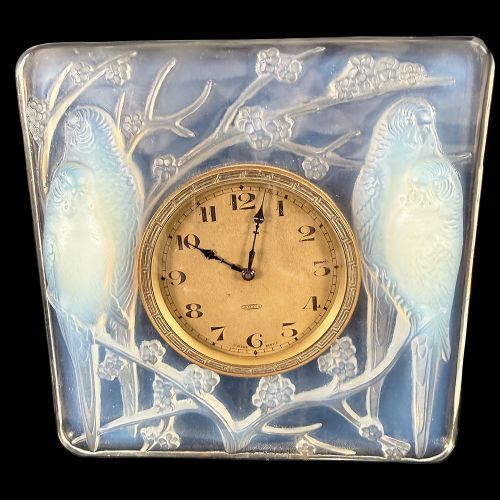
Vases, plates, perfume bottles and clocks dominate the forms available here. These objects range from delicate opalescent dishes designed by René Lalique to utilitarian apothecary bottles and maritime folk art.
The objects span multiple decades, drawing on Victorian production methods as well as early twentieth-century innovations. Buyers most frequently meet pieces from the nineteen-twenties and nineteen-thirties, reflecting the height of modernist glass design.
Materials and Techniques
Makers utilised opalescent and frosted glass to achieve depth and tactile quality, often highlighting sculptural motifs with contrasting surface finishes. Cameo glass vessels involved casing multiple layers of glass before carving away the exterior to reveal intricate relief designs.
Metal mounts in silver added structural definition and secure closures to personal scent bottles. Secondary materials such as wood appear primarily in display tables and the frames of maritime ship models rather than the glass itself.
Blue Glass Collectible Retail Price Guide 2026
Typical asking prices for blue glass collectible among the pieces listed under this phrase on Sellingantiques today, from the lower quarter to the upper quarter. They describe what is for sale here now, not the wider market.
Object forms span vases, perfume bottles, clocks, plates, bowls, apothecary bottles and a model sailing ship in a bottle.
Judging Quality
The distinction between standard production and superior craftsmanship rests on the clarity of the mould and the depth of the relief work. Pieces that retain crisp lines in motifs like fish, flora or butterflies demonstrate a higher level of execution.
The integration of metal mounts with glass bodies shows the care taken by the maker, particularly in hinged scent bottles and clock surrounds. Surface polish and the subtlety of the opalescent fire within the material also divide average examples from the finest works.
R Lalique·Daum Freres·Galle·Sabino
The Blue Glass Collectible Glossary
- Opalescent glass
- Glass that displays a milky or bluish turbidity when lit from certain angles, diffusing light across moulded surfaces. This effect was heavily utilised by French glassmakers during the Art Deco period.
- Cameo glass
- A vessel formed by fusing multiple layers of glass of different colours, then carving away the outer layer to create a raised design. The technique requires considerable skill to avoid damaging the background layer.
- Bijouterie table
- A glass-topped display table intended for housing small portable objects and collectibles. Mahogany examples often incorporate hinged lids to allow easy viewing.
- Apothecary bottle
- A utilitarian glass container historically used by chemists for storing ingredients or medicines. These items are collected today for their simple forms and rich historical associations.
Blue Glass Collectible: Frequently Asked Questions
How do I clean antique glass?
Wash pieces gently in lukewarm water using a mild detergent and a soft cloth. Avoid harsh scrubbing or abrasive scourers that might damage the surface.
Dry the item immediately with a lint-free cloth to prevent water spots, and take special care with mounted metal elements to keep them dry.
How do I identify Lalique glass?
Look for crisp moulding and characteristic opalescent qualities that shift in tone depending on the light. Many pieces feature signature marks impressed into the glass.
Examine the weight and tactile finish, as genuine examples demonstrate precise attention to detail in flora and fauna motifs.
What is cameo glass?
Cameo glass is a vessel constructed from multiple fused glass layers. Artisans carve away the exterior layer by hand to leave a raised design against a contrasting background.
This labour-intensive method creates significant depth and texture, making each carved vessel distinct.
Where should I display these pieces?
Position glass objects near natural light sources to enhance the translucency and opalescent effects. Placing items on open shelving or within glass-fronted cabinets allows light to pass through the material.
Ensure heavy or delicate pieces sit on stable surfaces away from high-traffic areas to prevent accidental knocks.