
Blue Gemstone Jewellery
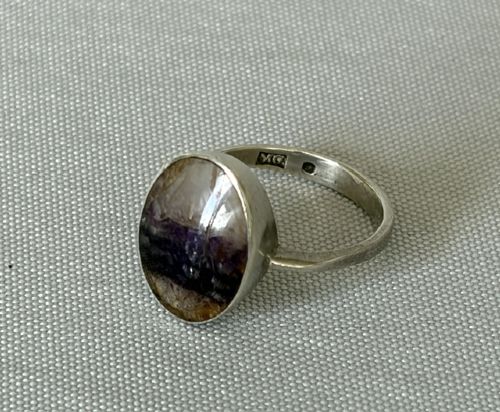
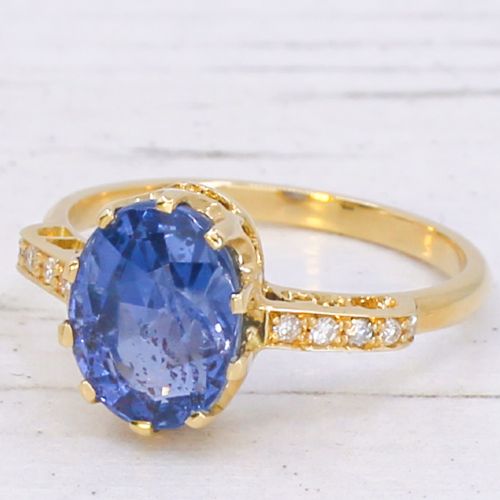
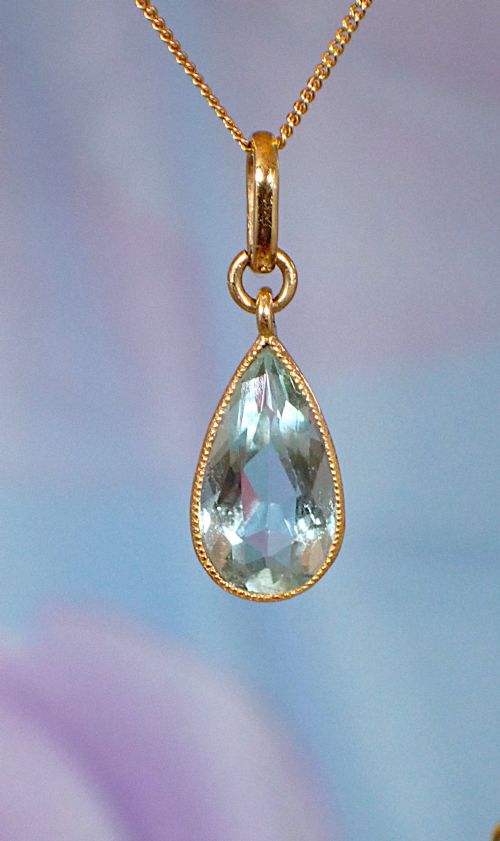
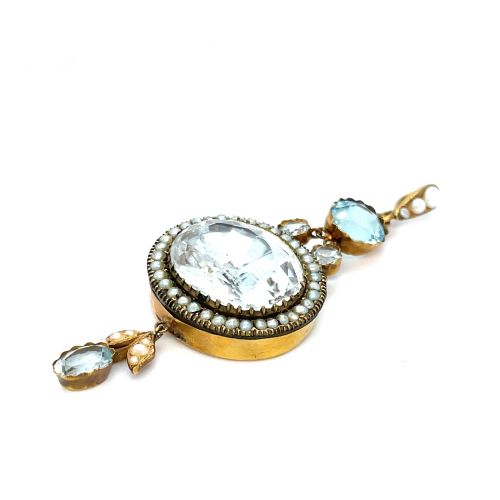
Blue gemstone jewellery brings together sapphire, aquamarine, opal and turquoise set in gold, platinum and silver across Victorian, Edwardian, Art Deco and mid-century periods.
Blue Gemstone Jewellery
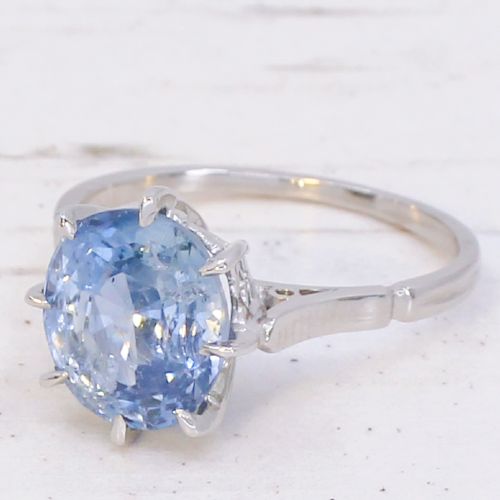
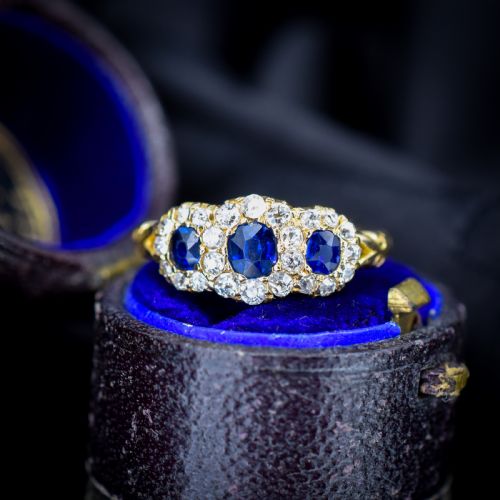
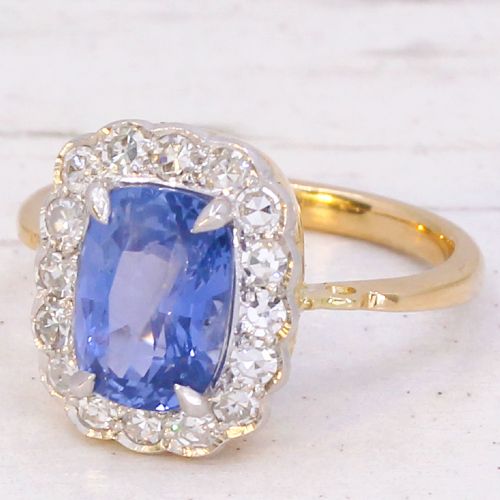
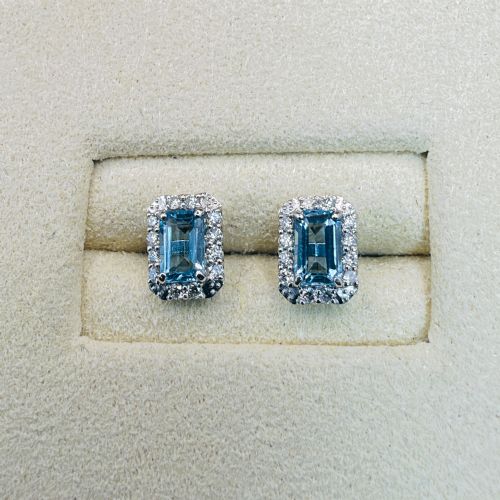
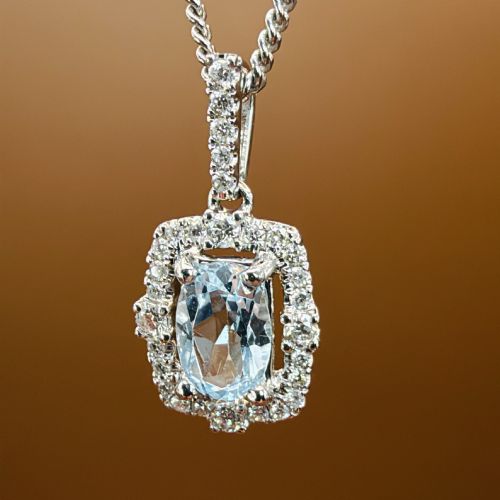
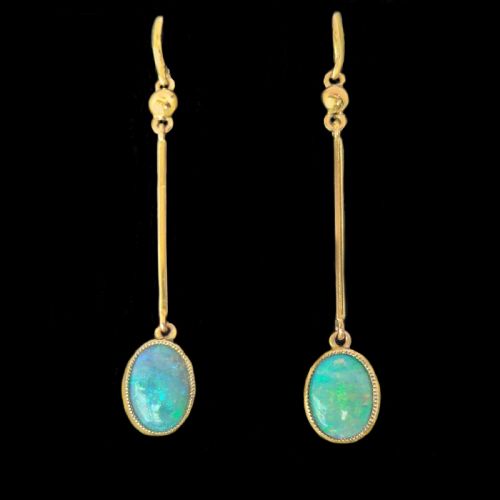
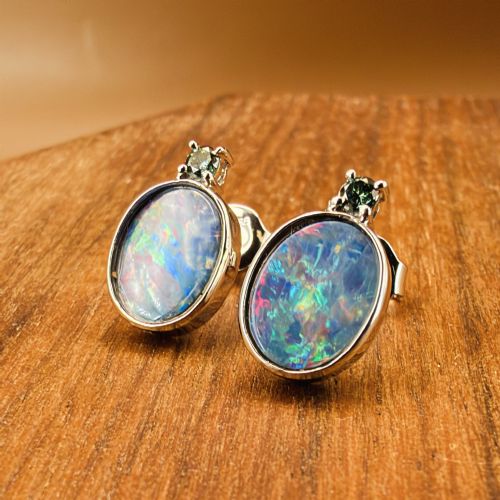
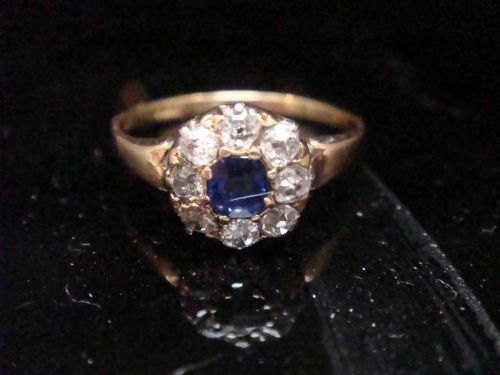
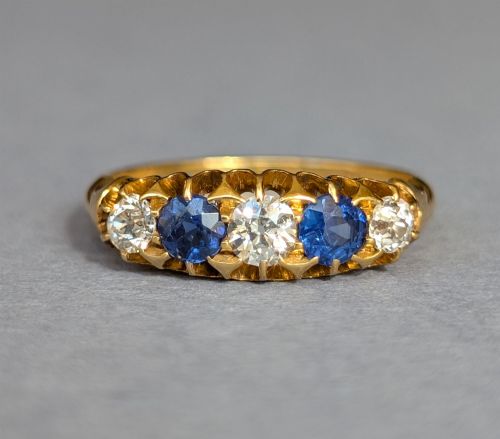
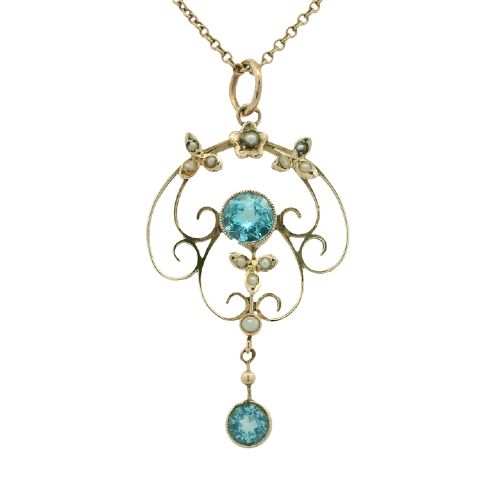
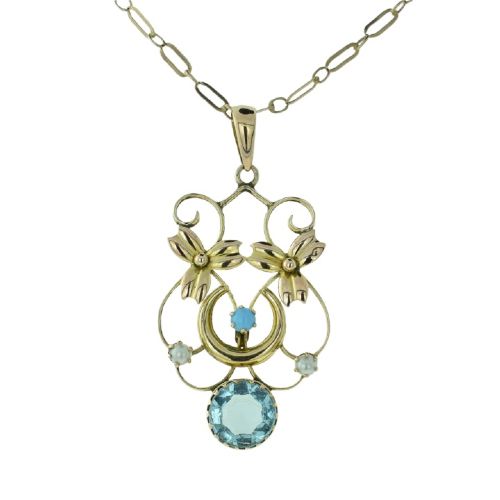
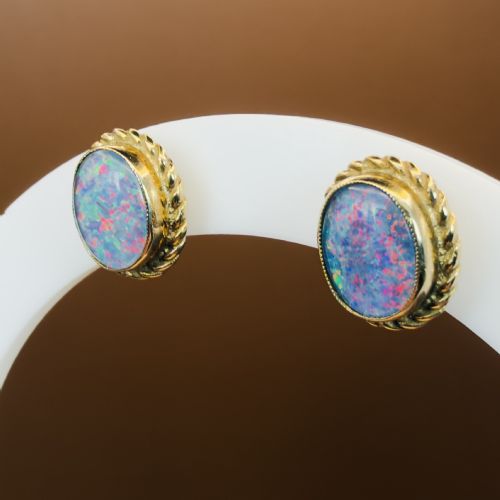
Blue gemstone jewellery encompasses rings, earrings, pendants, necklaces and bracelets spanning the Victorian, Edwardian, Art Deco and mid-century eras. Cluster rings, drop earrings and festoon necklaces dominate the selection.
Makers set sapphires, aquamarines, opals, turquoise and blue topaz into platinum, 9ct gold, 18ct gold and silver. Pieces range from delicate Edwardian daisy rings to substantial Art Deco platinum pendants.
The assortment reflects shifting design priorities from the intricate halo and cluster settings of the early twentieth century to the clean lines of mid-century modern design.
Quality factors in construction and stones
Quality rests on the depth and saturation of the blue stones, whether unheated sapphires or vibrant aquamarines, combined with the precision of the diamond work. Metalwork finish, from fine Edwardian gallery work to robust mid-century platinum mounts, dictates structural integrity.
The harmony of the design and the condition of the settings separate standard production from finer examples. Original stones intact within period mounts command greater attention from collectors.
The Blue Gemstone Jewellery Glossary
- Cluster ring
- A ring featuring a central gemstone surrounded by a border of smaller stones, typically diamonds framing a sapphire or aquamarine.
- Cabochon
- A gemstone shaped and polished with a smooth convex surface rather than faceted with flat planes.
- Foil back
- A historical technique where a thin sheet of reflective metal is placed behind a gemstone to amplify its colour and light return.
- Festoon necklace
- A necklace design featuring draped chains, swags or suspended drops hanging loosely across the collarbone.
- Old cut diamond
- A diamond cut by hand before modern machinery, characterised by a smaller table, higher crown and open culet.
Blue Gemstone Jewellery: Frequently Asked Questions
What periods do these pieces come from?
The selection spans the Victorian, Edwardian, Art Deco and mid-century periods, capturing design shifts from the late nineteenth century through to the 1960s.
Items reflect the prevalent materials and stylistic preferences of each decade, ranging from intricate Edwardian gold work to streamlined mid-century platinum mounts.
How do I care for antique blue gemstone jewellery?
Maintenance depends on the specific gemstone and metal involved, as softer stones like opal and turquoise require gentler handling than sapphires or diamonds.
Regular inspection of claws and settings by a professional jeweller helps secure the stones against daily wear.
What metals are commonly used?
Jewellery from these eras incorporates silver, 9ct gold in yellow and rose hues, 18ct white and yellow gold, and platinum.
Platinum and 18ct white gold frequently appear in Art Deco and mid-century pieces, whilst 9ct gold and silver feature prominently in earlier Victorian and Edwardian examples.
Are the sapphires treated?
The inventory includes both unheated natural sapphires and standard stones, with specific geological origins like Ceylon, Burma or Kashmir noted where documented.
Unheated stones retain their natural colour and clarity without thermal enhancement.