

Blue Diamond Cluster
When you search for a blue diamond cluster, you are stepping into a rich lineage of gemstone work centred on diamond and sapphire.
Blue Diamond Cluster
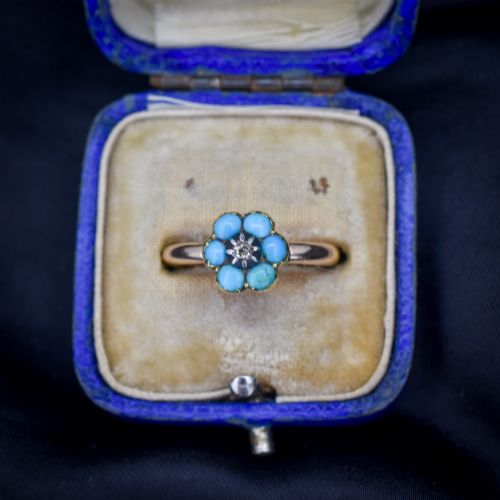
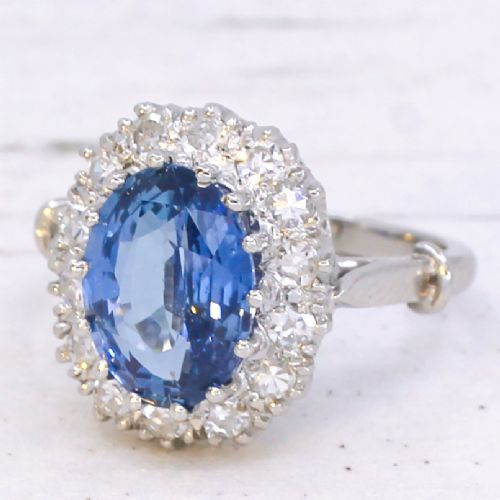
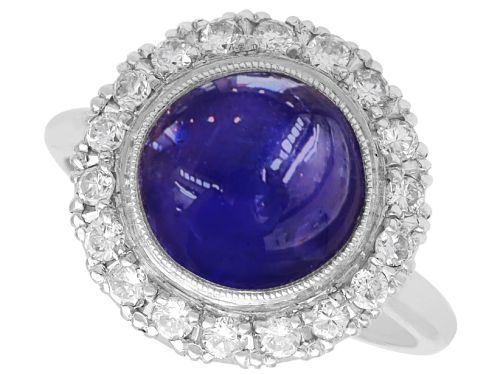
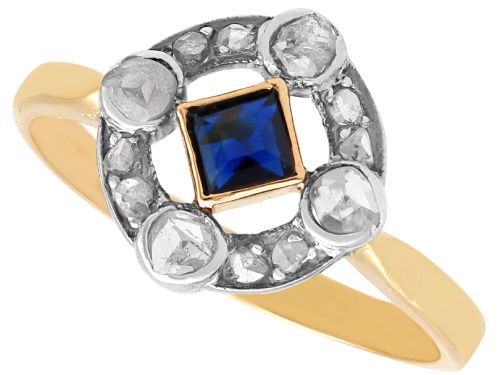
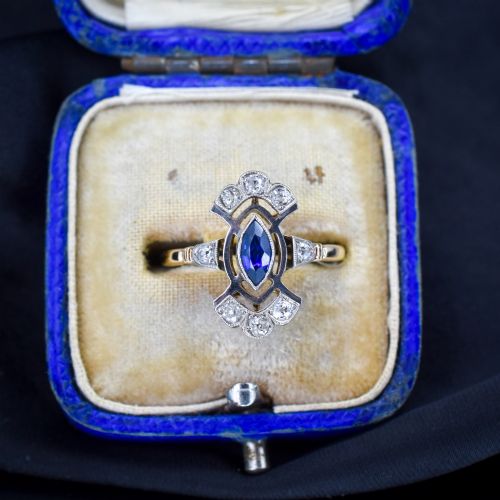
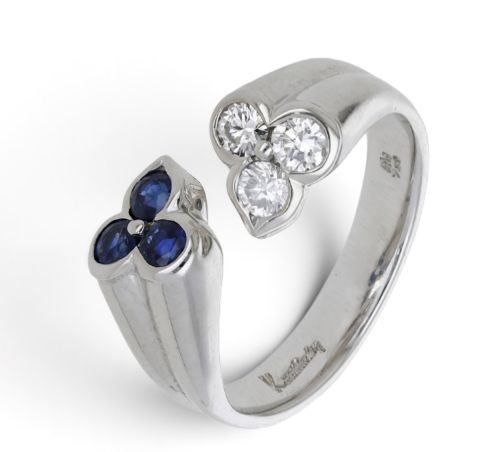
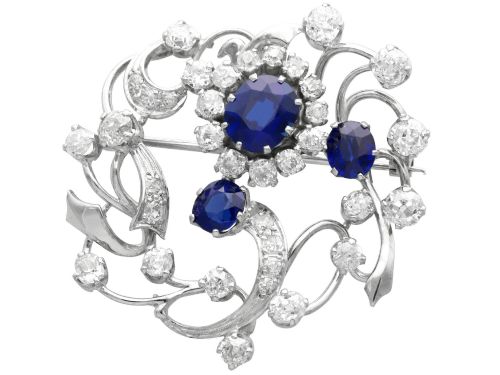
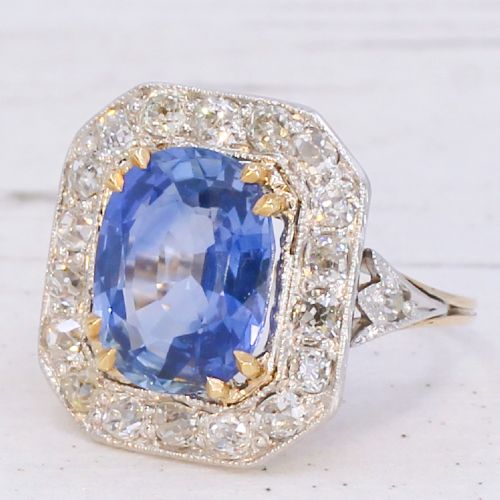
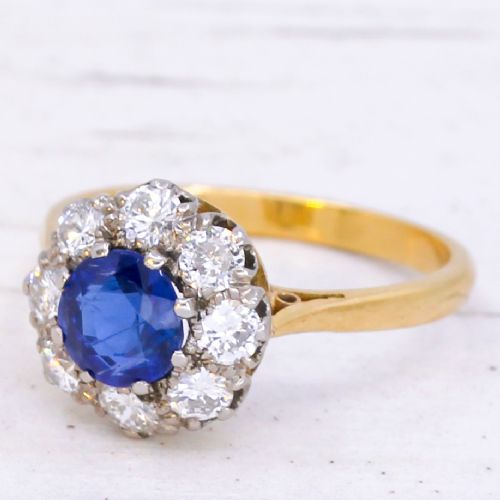
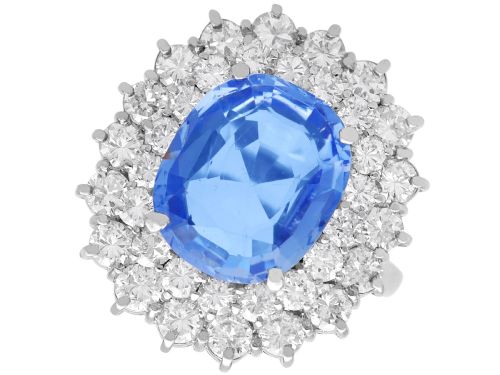
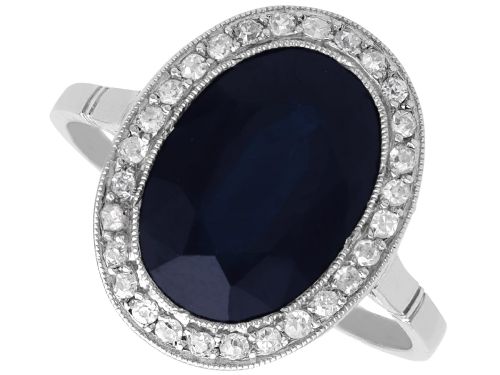
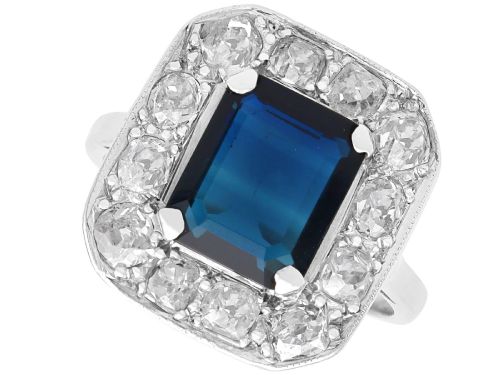
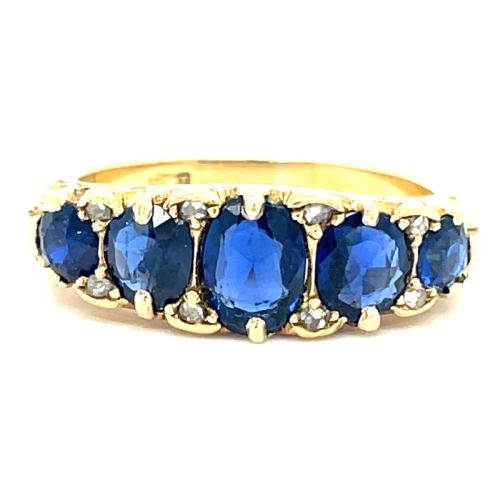
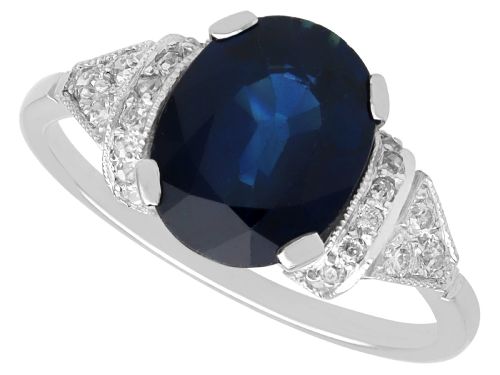
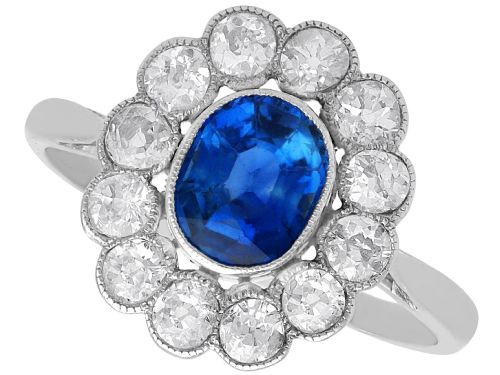
A blue diamond cluster brings together central blue stones surrounded by diamonds, most frequently appearing as sapphire and diamond rings in the evidence.
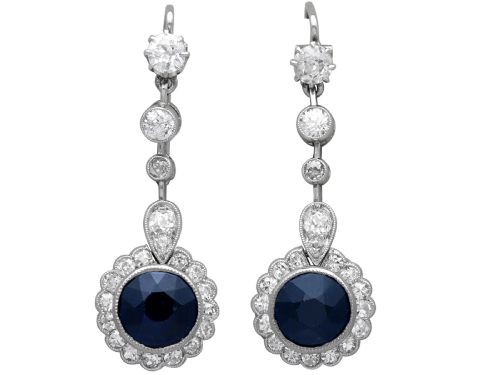
The selections span periods from the Victorian era and Edwardian years through Art Deco and Mid-Century designs, alongside brooches, earrings, and pendants.
Makers and workshops construct these configurations in various forms, including navette outlines, daisy shapes, boat rings, and drop earrings.
How they were made
Metals span platinum and multiple variations of 18ct gold, including yellow gold, white gold, and occasional 14ct formats to secure the gems.
Gems include Ceylon sapphires, Burmese sapphires, basaltic sapphires, and aquamarines, paired with old-cut, princess-cut, and old mined diamonds.
Blue Diamond Cluster Retail Price Guide 2026
Typical asking prices for blue diamond cluster among the pieces listed under this phrase on Sellingantiques today, from the lower quarter to the upper quarter. They describe what is for sale here now, not the wider market.
Some antique daisy rings feature stones so tightly clustered they resemble a garden corner rather than jewellery.
What varies in quality
The calibre of the central blue sapphire or aquamarine shifts the overall impact, particularly when unheated stones or specific geographic origins like Ceylon are involved.
The precision of the surrounding diamond work and the weight of the platinum or 18ct gold mount dictate the distinction between standard and finer examples.
Kutchinsky·Le Vian
The Blue Diamond Cluster Glossary
- Navette
- A boat-shaped gemstone arrangement that tapers to points at both ends. This silhouette was particularly popular during the Art Deco period.
- Cluster ring
- A central stone encircled by a border of smaller gemstones, usually diamonds. This format maximises overall visual presence on the hand.
- Old cut
- A hand-faceted diamond style preceding modern brilliant cuts, featuring a smaller table and higher crown. These stones display a softer candlelit sparkle.
- Daisy ring
- A floral cluster design where circular petal stones surround a central gem. Edwardian jewellers utilised this motif extensively in yellow gold and platinum.
Blue Diamond Cluster: Frequently Asked Questions
How do I date a cluster ring?
Dating relies on the mounting style, metal choices, and cut of the diamonds. Edwardian pieces often use platinum-topped yellow gold with delicate pierced work, while Art Deco examples favour geometric lines.
Later Mid-Century designs introduce heavier gold mounts and alternative prong settings. Hallmarks stamped inside the band provide definitive assay office and year markers where present.
Are sapphires the only blue stones used?
Sapphires form the vast majority of the blue stones in these configurations, originating from regions such as Ceylon, Burma, and basaltic sources. Aquamarines and tanzanites also appear to provide lighter blue or violet-blue hues.
Each stone type brings distinct saturation levels and internal characteristics that define the visual weight of the cluster.
How should I care for vintage gold jewellery?
Precious metals and gemstones require gentle cleaning with warm soapy water and a soft brush rather than harsh ultrasonic treatments. Regular checks by a jeweller ensure the claws holding the diamonds and sapphires remain secure.
Storing pieces individually prevents stones from scratching softer gold mounts or other gems.