



Blue Decorated Ceramic Dish
These pieces of blue decorated ceramic dish range from early export wares to later revival bowls, offering vibrant cobalt colour and traditional motifs for daily display.
Blue Decorated Ceramic Dish
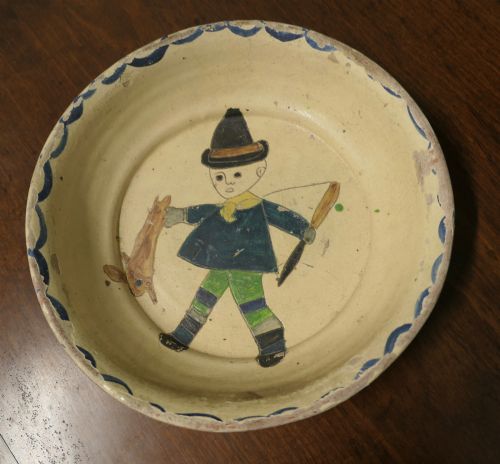
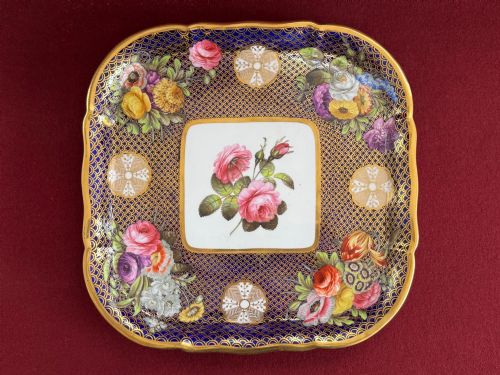
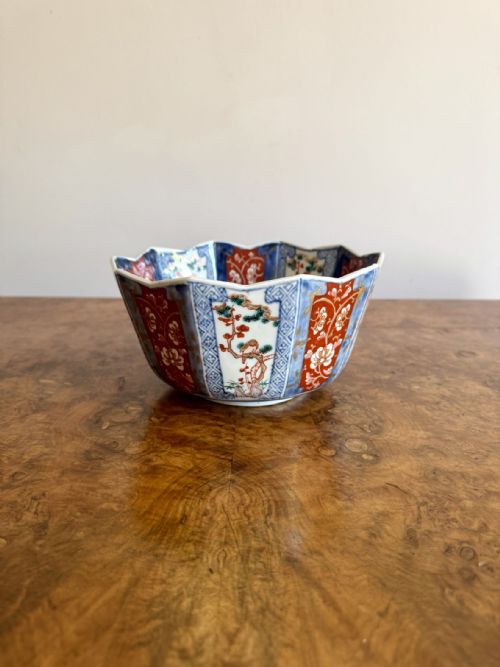
A blue decorated ceramic dish encompasses plates, bowls, chargers, and trays spanning several centuries of potting tradition. Collectors encounter items ranging from seventeenth-century Chinese cargo vessels and Japanese Edo period chargers to nineteenth-century bone china and twentieth-century lustre ware.
Makers and periods represented extend from the Ming dynasty and seventeenth-century items up to Art Deco designs of the early twentieth century. Each piece demonstrates specific regional painting techniques and glazing methods characteristic of its era of production.
How they were made
Potters shaped porcelain and bone china bodies before applying cobalt pigment by hand under or over the glaze. Artisans utilised rich blue mineral pigments, sometimes combining them with enamel and gold gilt highlights for added depth.
Firing took place in high-temperature kilns that fused the glaze to the ceramic body, fixing the blue decoration permanently beneath a glassy protective layer. Subsequent decoration in enamel or gold leaf required secondary lower-temperature firings to adhere the extra pigments.
Blue Decorated Ceramic Dish Retail Price Guide 2026
Typical asking prices for blue decorated ceramic dish among the pieces listed under this phrase on Sellingantiques today, from the lower quarter to the upper quarter. They describe what is for sale here now, not the wider market.
Listings span from the seventeenth century through the Regency period to the 1920s, employing porcelain, bone china, enamel, and gold gilt.
What varies in quality
Quality rests in the precision of the hand painting and the clarity of the cobalt pigment against the white ceramic ground. Superior examples exhibit confident brushwork, well-balanced composition across the surface, and minimal distortion from the kiln firing process.
The sophistication of the palette and the integration of secondary elements like gold gilt or enamel work distinguish exceptional items from standard production. Historical significance, such as association with specific export periods or renowned designers, also shapes the standing of each piece.
Daisy Makeig-Jones Wedgwood·Spode Porcelain·Moorcroft
The Blue Decorated Ceramic Dish Glossary
- Imari palette
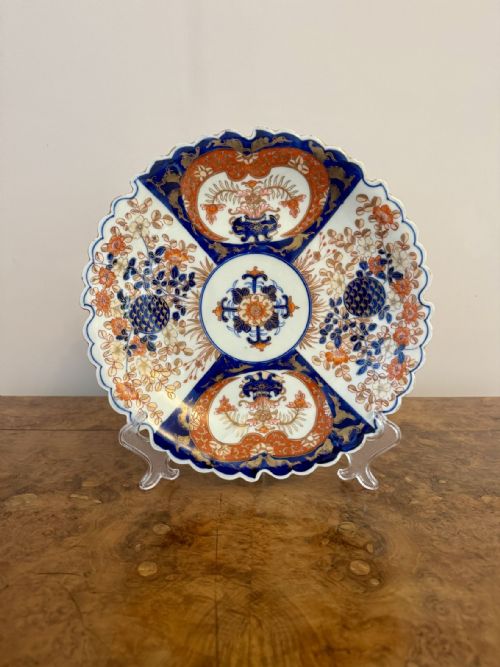
- A decorative style originating in Japan featuring cobalt blue, iron red, and gold. This palette became widely imitated in European and later Asian export ceramics.
- Cobalt pigment
- A metallic oxide used to produce a deep blue colour on ceramics. It withstands high kiln temperatures without fading.
- Export porcelain
- Wares manufactured in Asia specifically for trade and sale to Western markets. These items often adapted traditional local forms to suit European tastes.
- Lustre ware
- Pottery featuring a metallic sheen created by applying a thin metallic film over the glaze. This technique produces an iridescent reflective surface.
- Charger
- A large decorative plate or platter used primarily for display on tables or sideboards rather than for serving food.
Blue Decorated Ceramic Dish: Frequently Asked Questions
How do I date a blue decorated dish?
Dating relies on examining the potting style, the shade of the cobalt pigment, and any applied maker marks or historical patterns. Comparing the footrim construction and glaze characteristics against known period examples provides further clarity.
Context from associated trade periods, such as seventeenth-century cargo recoveries or nineteenth-century English factory records, helps narrow down the exact decade of manufacture.
Can I use these dishes for serving food?
Most antique decorative plates and chargers are best reserved for display rather than daily culinary use. Older glazes and enamels can be sensitive to modern detergents, cutlery, and sudden temperature changes.
Gentle hand washing in lukewarm water without harsh abrasives preserves the painted surface and any gold gilt details over time.
What is the difference between Imari and blue and white?
Traditional blue and white ceramics utilise only cobalt pigment under the glaze to create monochromatic designs. Imari wares incorporate contrasting iron red and gold leaf alongside the cobalt blue, resulting in a multicoloured palette.
Both styles originated in Asian traditions but developed distinct aesthetic appeals that influenced subsequent European pottery.
How should I display a heavy charger?
Large chargers and trays require sturdy wall hangers specifically designed to distribute weight evenly across the rim. Alternatively, placing them in dedicated display stands on stable furniture keeps the piece secure without pressure.
Avoiding direct sunlight prevents fading in any enamel or gold leaf embellishments over the years.