



Blue Ceramic Lamp Base
A blue ceramic lamp base brings a strong wash of cobalt and pattern into a room, offering both character and warm illumination.
Blue Ceramic Lamp Base
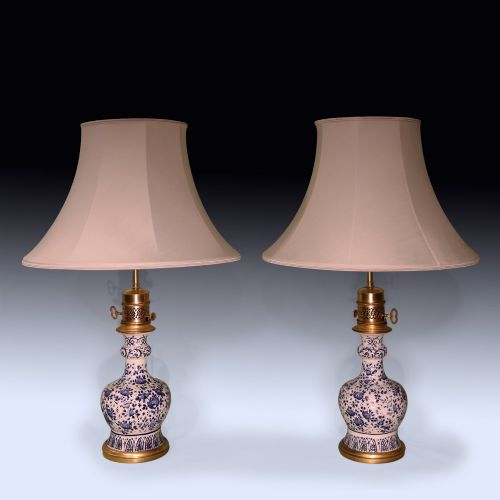
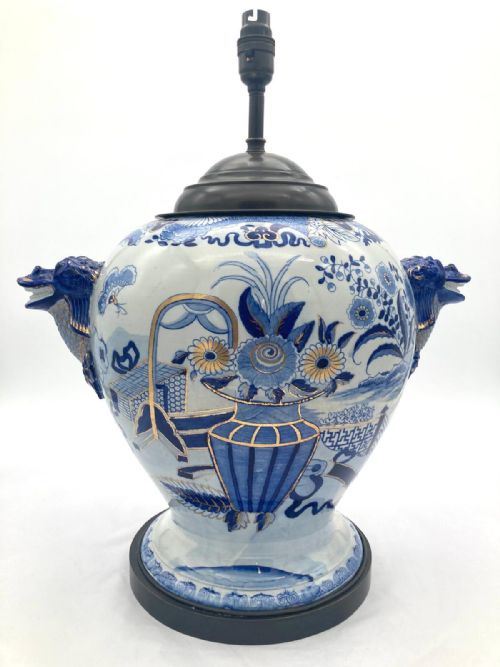
When you search for a blue ceramic lamp base, you are looking at vessels originally made for entirely different purposes that have subsequently been wired for electricity. The selection includes converted ginger jars, baluster vases, tobacco jars, and antique Delft or earthenware vessels mounted for use as table lamps.
The pieces appearing on this page span several centuries, drawing heavily from Chinese export porcelain, 18th-century Dutch Delftware, Japanese Arita wares, and later British or French productions. Many of these items began life as decorative vases or oil lamps before finding a second incarnation with electrical fittings.
Pairs feature frequently alongside grand monumental single pieces, often elevated on gilt bronze, brass, or ormolu bases. Buyers encounter everything from crackleware finishes and celadon glazes to rich cobalt blue and white painted ornamentation.
Materials and construction
These lamps rely on ceramic, porcelain, earthenware, and ironstone bodies that are shaped on the potter's wheel or cast in moulds before receiving cobalt blue pigment and glaze. The vessels are then fired at high temperatures to achieve their durable vitreous finishes, which range from deep powder blue to crisp white grounds painted with intricate motifs.
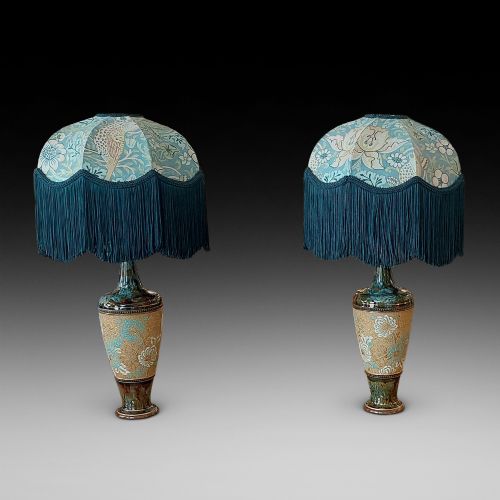
Conversion typically involves mounting the ceramic body onto metal bases made from brass, bronze, or ormolu, sometimes incorporating wooden components or black glass plinths. Many listings note the addition of handmade silk or fabric shades to complete the assembly.
Blue Ceramic Lamp Base Retail Price Guide 2026
Typical asking prices for blue ceramic lamp base among the pieces listed under this phrase on Sellingantiques today, from the lower quarter to the upper quarter. They describe what is for sale here now, not the wider market.
Listings feature ceramic, porcelain, earthenware, and ironstone bodies mounted on brass, bronze, and ormolu bases across the 18th, 19th, and 20th centuries.
Distinguishing quality
Quality rests in the crispness of the hand-painted cobalt decoration upon the ceramic body and the integration of the metal mounts. Finer pieces display deep, luminous glazes and carefully chased ormolu mounts that complement rather than overwhelm the pottery.
The provenance and original function of the vessel dictate much of the appeal, with period export porcelain and early Delftware commanding attention over later adaptations. Well-executed conversions that preserve the integrity of the original vase without damaging the ceramic body stand apart from simpler alterations.
Hicks and Meigh·Royal Doulton
The Blue Ceramic Lamp Base Glossary
- Delftware
- Tin-glazed earthenware originating in the Netherlands, known for its white surface and blue painted decoration. It frequently appears in 18th-century lamp conversions.
- Ormolu
- Gilded bronze mounts applied to furniture and ceramics, often seen on French and English decorative pieces from the 18th and 19th centuries.
- Ginger jar
- A ceramic vessel with a broad body and high shoulder, originally used for shipping spices and later favoured for lamp conversions.
- Celadon
- A pale green or grey-green ceramic glaze, sometimes found alongside blue decoration on Asian porcelain vessels.
- Imari
- Japanese export porcelain decorated in underglaze blue, iron red, and gilt, appearing on pieces dating from the 18th century.
Blue Ceramic Lamp Base: Frequently Asked Questions
How are these lamps wired?
Most of these pieces are antique vessels that have been converted for modern electrical use at various points in their history. Wiring styles vary depending on when the conversion took place, ranging from older silk-corded flexes to more recent updates.
Buyers should inspect the specific wiring details in each listing and consult a qualified electrician to ensure the fittings meet current safety standards before plugging them in.
Can I find matching pairs?
Pairs appear frequently among the selections, particularly when dealing with converted ginger jars, baluster vases, and decorative ormolu-mounted table lamps. These matching sets are often sourced together from the same period or stylistic tradition.
Single monumental pieces also feature prominently for those seeking a stronger standalone decorative statement on a side table or sideboard.
What periods do these lamps come from?
The inventory spans multiple eras, including 18th-century Delft and Japanese Arita wares, Regency period ironstone, Victorian oil lamps, and later 20th-century creations. Each era brings distinct manufacturing techniques and aesthetic styles to the ceramic bodies.
Stylistic influences range from Chinoiserie and Qing Dynasty export pieces to French Sevres inspired mounts and Art Deco figural designs.
Are the shades included?
Many listings include handmade silk or fabric shades designed to complement the proportions and colour palette of the ceramic base. Specific details regarding shade inclusion are noted in individual descriptions.
When a shade is present, it is often selected to match the height and scale of the lamp base, whether mounted on gilt, brass, or wooden plinths.