



Blue Ceramic House
These pieces of blue ceramic house showcase 19th-century earthenware, ironstone, and porcelain moulded into architectural patterns and rural scenes, offering collectors historic charm.
Blue Ceramic House
When you search for blue ceramic house, you are encountering a variety of historic vessels, plates, and decorative objects that depict architectural subjects such as school houses and state houses. These items span periods from the Georgian era through the nineteenth century, reflecting diverse regional British and European traditions.
The objects most frequently met on this page include ironstone plates and ashets featuring specific architectural patterns like the old school house design, alongside earthenware cottages and spill vases. Such pieces bring tangible domestic history into a modern interior.
The selection also encompasses miniature furniture pieces and transferware plates decorated in blue and white, demonstrating the breadth of ceramic manufacturing devoted to architectural and scenic motifs during the nineteenth century.
Materials and production
Potters utilised durable earthenware and robust ironstone as the primary bodies for these architectural items, shaping them by hand or mould before applying intricate blue and white designs. Glazes seal the ceramic body, providing a smooth, protective finish that enhances the visual depth of the blue pigment.
Blue Ceramic House Retail Price Guide 2026
Typical asking prices for blue ceramic house among the pieces listed under this phrase on Sellingantiques today, from the lower quarter to the upper quarter. They describe what is for sale here now, not the wider market.
Listings feature 19th-century earthenware, ironstone, and porcelain items decorated with blue and white transfer printing.
Distinctions in quality
The refinement of the blue transfer print largely distinguishes superior examples, where fine architectural lines and shading remain crisp without blurring into the surrounding glaze. Weight and balance in ironstone platters and plates also indicate the care taken during production.
The preservation of hand-painted highlights, gold leaf, and delicate enamel work contributes significantly to the desirability of nineteenth-century pieces. Clarity in the modelling of miniature buildings and cottages ensures that architectural details stay sharp and legible.
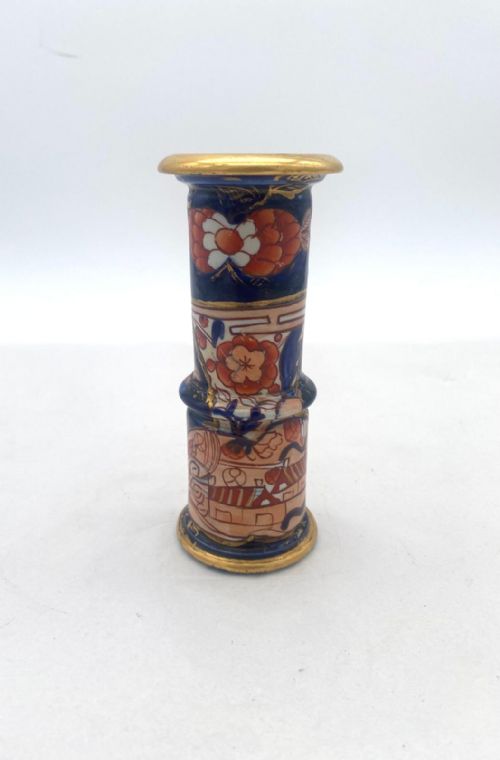
Mason s·Mexborough
The Blue Ceramic House Glossary
- Ironstone
- A dense, durable type of pottery patented in the nineteenth century that mimics porcelain in strength. It formed the robust body for many heavy-duty domestic services and large platters.
- Transferware
- Pottery decorated by applying a printed design from a copper plate onto paper, which was then transferred onto the unglazed or bisque ceramic body. This technique revolutionised the production of blue and white scenic patterns.
- Ashet
- A large serving dish or platter, commonly used in Scottish and northern British terminology for meat courses. These items frequently match dinner service plates in pattern.
- Spill vase
- A small vertical vessel designed to hold taper spills used for lighting candles or fires from a hearth. They were frequently modelled as miniature houses or architectural structures.
- Prattware
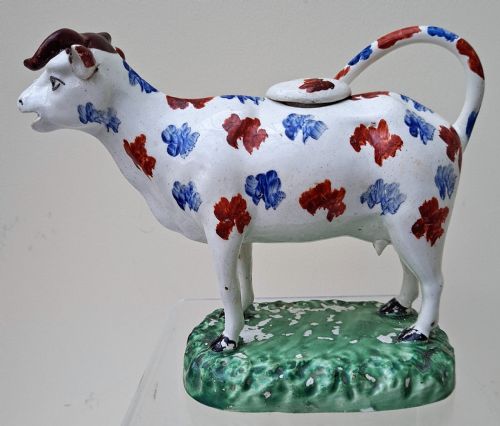
- A type of earthenware produced in the late eighteenth and nineteenth centuries, typically decorated with coloured underglaze pigments. It often includes cheerful domestic or architectural motifs.
Blue Ceramic House: Frequently Asked Questions
What are blue ceramic house pieces?
These items comprise nineteenth-century earthenware, ironstone, and porcelain objects decorated with architectural subjects, including school houses, cottages, and state buildings.
They reflect the popular taste for topographical and domestic scenes during the Georgian and Victorian periods, executed primarily in blue and white.
How were these ceramics used originally?
Many of the plates, ashets, and serving platters saw daily service in grand and modest dining rooms alike for presenting meals.
Smaller items like spill vases and decorative cottages served ornamental roles on mantelpieces while fulfilling the practical purpose of holding taper spills.
How do I care for historic ironstone?
Wash these ceramic pieces gently by hand in warm water using mild soap, avoiding harsh scrubbing or dishwashers that might damage the glaze.
Keep them away from rapid temperature changes and secure them firmly on stable surfaces to protect their historical edges and painted details.
How can I tell the period?
Examine the weight of the ceramic body, the tone of the blue transfer print, and the specific style of the architectural illustration.
Nineteenth-century ironstone and earthenware often bear specific factory marks or stylistic traits associated with Georgian and Victorian production methods.