



Blue Ceramic Caddy
A blue ceramic caddy brings hand-painted cobalt pigment and historic earthenware into the modern kitchen or drawing room with understated style.
Blue Ceramic Caddy
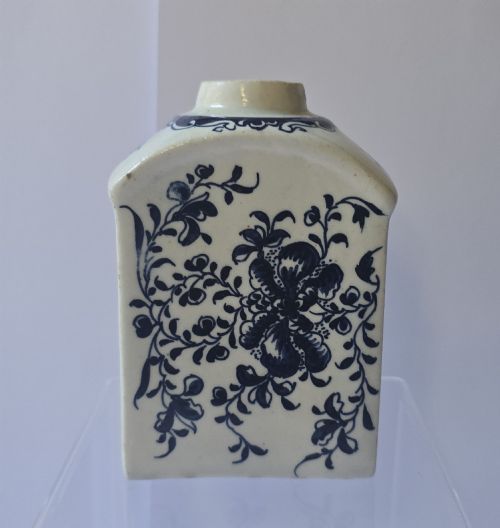
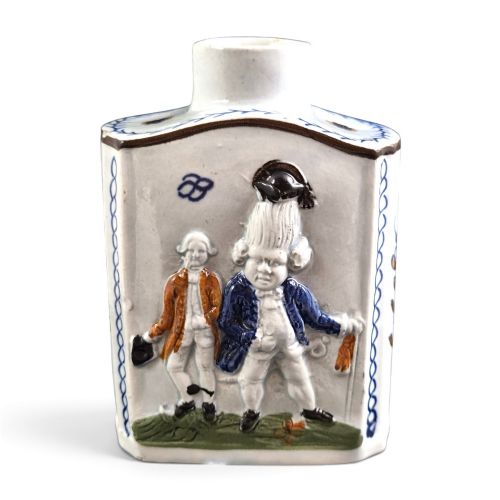
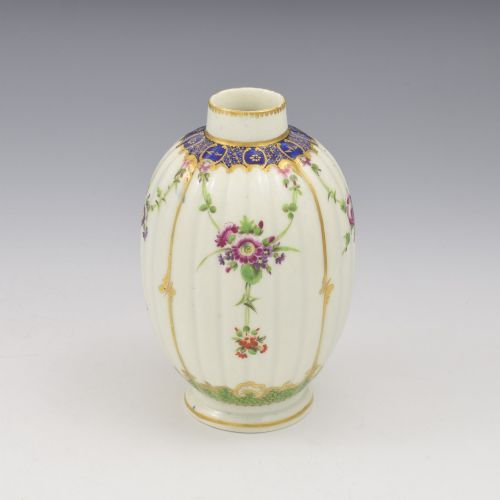
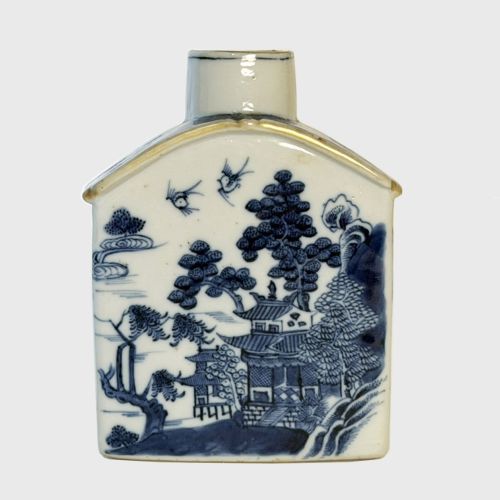
When you search for a blue ceramic caddy, you are looking at small storage vessels and larger biscuit barrels shaped from earthenware, stoneware, and soft-paste porcelain. These pieces range from Georgian tea canisters to Victorian tablewares, each designed to store dry goods in decorated containers.
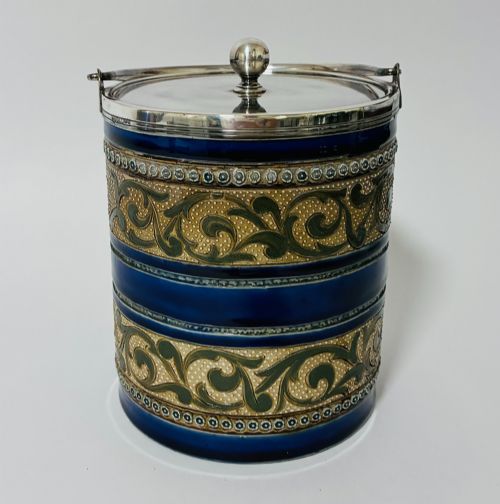
You are most likely to meet 18th-century porcelain tea canisters alongside Victorian biscuit barrels finished with silver plate mounts. These forms span Chinese Export wares, English factories, and Vietnamese export boxes from earlier dynasties.
The objects cross several centuries of production, taking shapes from octagonal covered boxes to fluted cylinders and round jars. Each vessel pairs a ceramic body with blue decoration, whether hand-painted underglaze cobalt or transfer-printed flow blue.
How they were made
Makers shaped these bodies from soft-paste porcelain, earthenware, and stoneware, frequently finishing the surface with a clear or crackle glaze. Cobalt pigment provides the characteristic blue decoration, applied by handbrush before firing or printed onto the earthenware body.
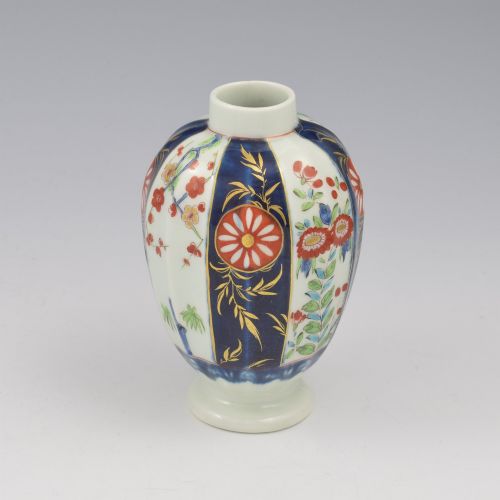
Many specimens receive additional enrichment through gold leaf detailing over the glaze or fitted metal mounts of silver plate. Potters formed the vessels on wheels or in moulds, depending on whether the silhouette required fluting or an octagonal geometry.
Blue Ceramic Caddy Retail Price Guide 2026
Typical asking prices for blue ceramic caddy among the pieces listed under this phrase on Sellingantiques today, from the lower quarter to the upper quarter. They describe what is for sale here now, not the wider market.
Macaroni tea canisters survive as cheerful reminders of eighteenth-century gentlemen who fancied themselves experts on Italian pasta.
What varies in quality
The crispness of the cobalt painting and the control of the kiln firing set the finer examples apart from standard production. Early porcelain pieces display delicate brushwork and translucent bodies, while robust Victorian earthenware relies on rich glaze depths and heavy silver plate mounts.
Condition of the glaze, stability of the ceramic body, and the presence of matching original covers determine the standing of each piece. Finer specimens retain sharp underglaze detail and unblemished surfaces across centuries of handling.
Doulton Lambeth·Carlton Ware·Wedgwood
The Blue Ceramic Caddy Glossary
- Cobalt Pigment
- A metallic oxide used under the glaze to produce deep blue decoration on porcelain and earthenware. It withstands high kiln temperatures without losing its colour.
- Soft-paste Porcelain
- A ceramic material composed of clay, glass frit, and white-firing materials, fired at lower temperatures than hard-paste. It possesses a slightly warmer tone and softer glaze.
- Flow Blue
- A transfer-printing technique where the cobalt pigment intentionally bleeds into the surrounding white glaze during the kiln firing. This creates a hazy, atmospheric effect popular in the nineteenth century.
- Biscuit Barrel
- A covered ceramic container used on the dining table for holding dry biscuits and baked goods. They frequently feature plated metal rims, lids, and swing handles.
- Jasper Ware
- A fine-grained, unglazed vitreous stoneware developed by Wedgwood, typically showing white relief figures against a coloured background. Blue remains the most traditional ground for these pieces.
Blue Ceramic Caddy: Frequently Asked Questions
What were blue ceramic caddies used for?
These vessels served primarily to store precious dry goods like tea leaves away from moisture and light in domestic parlours. Later Victorian versions shifted toward the dining table as biscuit barrels.
Larger lidded jars and covered boxes also held precious commodities or aromatic herbs. Their decorative surfaces meant they sat openly on sideboards rather than remaining hidden away.
How do I date a blue ceramic caddy?
Dating relies on observing the ceramic body, glaze characteristics, and the style of the cobalt decoration. Soft-paste porcelain and hand-painted underglaze blue typically point to eighteenth-century manufacture.
Victorian pieces often combine earthenware with silver plate mounts and transfer-printed patterns. Maker marks and the specific shade of the cobalt pigment further narrow down the production period.
Can I use these caddies for dry storage?
Most antique caddies and biscuit barrels function well for displaying dry goods or serving biscuits during gatherings. However, historic glazes and antique materials require gentle handling and hand washing.
Unsealed lids and ancient ceramic bodies mean they suit modern display and light functional use better than heavy daily storage.
How do I care for antique ceramic caddies?
Dust these vessels gently with a dry, soft cloth to protect fragile glazes and delicate painted surfaces. Avoid abrasive cleaners that might harm historic earthenware or soft-paste porcelain.
Silver plate mounts benefit from occasional careful polishing with appropriate cleaners, keeping the metal away from the ceramic body to prevent staining.