


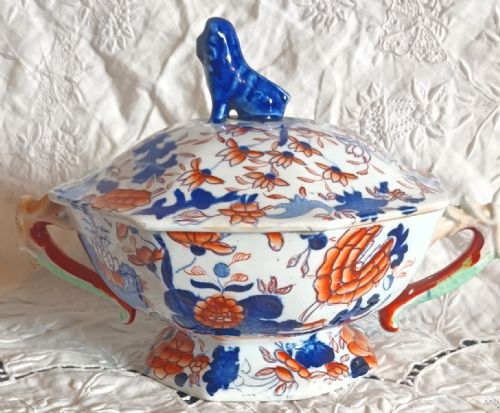


Blue and Orange Ironstone
Blue and orange ironstone brings robust nineteenth-century ceramic utility and vivid pattern to the table.
Blue and Orange Ironstone
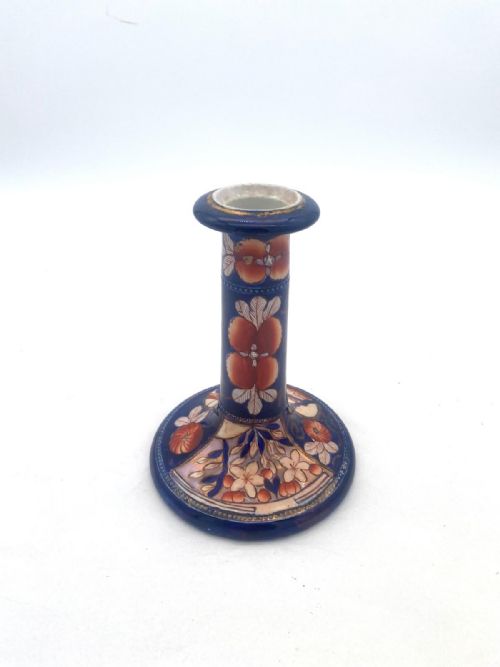
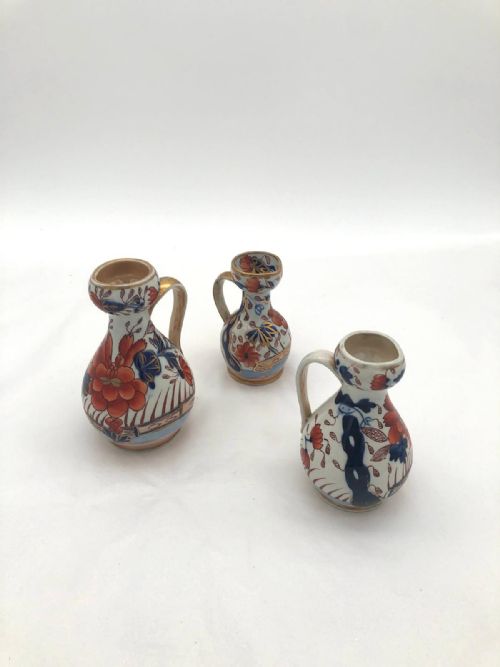
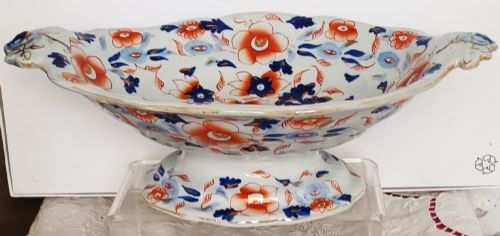
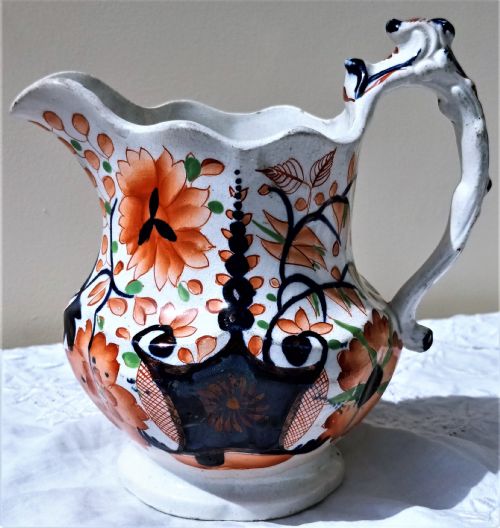
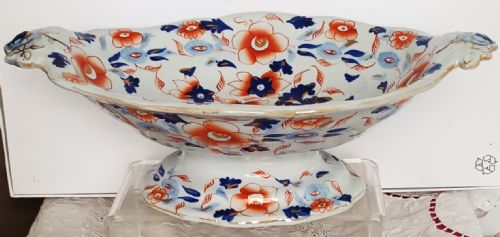
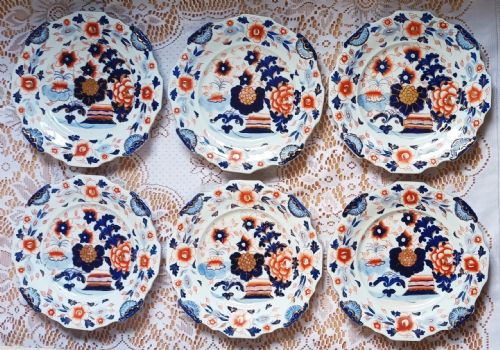
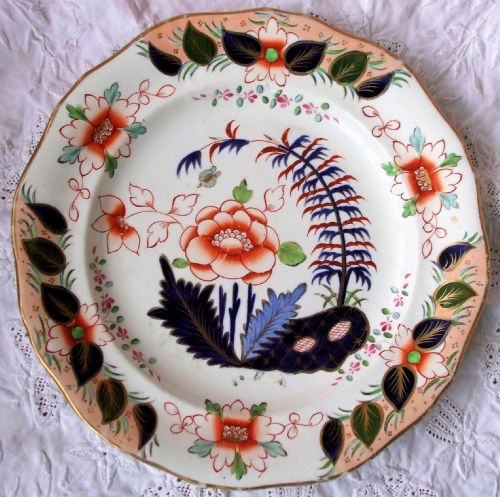
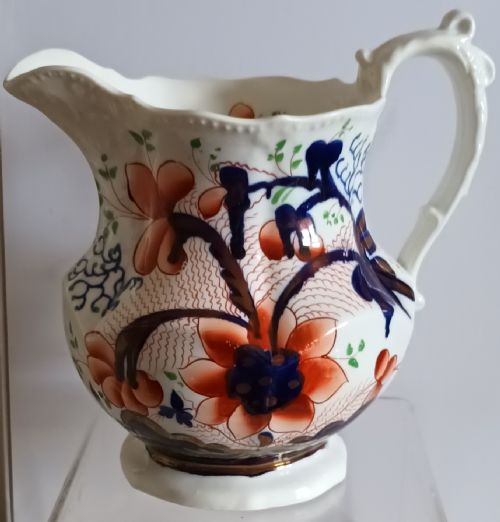
Blue and orange ironstone pieces largely date from the nineteenth century, encompassing Georgian, Regency, and Victorian periods. The selection on this page centres on domestic and decorative tableware, featuring plates, jugs, tureens, and footed comports.
Buyers will frequently encounter characteristic forms such as the Hydra jug and octagonal vessels alongside dessert dishes and salts. These items display rich patterns including Japan, Imari, and Schoolhouse designs executed in striking ceramic bodies.
Quality differences
The sophistication of the hand-painted enamel work and the crispness of the transfer-printed patterns distinguish finer examples from standard production pieces. Rich application of gold leaf and gilt accents elevates the visual weight of individual items.
The clarity of the glaze and the preservation of the underlying ironstone body, particularly on high-use forms like plates and jugs, determine the overall integrity and desirability within the range.
Blue and Orange Ironstone Retail Price Guide 2026
Typical asking prices for blue and orange ironstone among the pieces listed under this phrase on Sellingantiques today, from the lower quarter to the upper quarter. They describe what is for sale here now, not the wider market.
Listings feature nineteenth-century ironstone plates, jugs, and tureens decorated with glaze, enamel, and gold leaf.
Mason s Ironstone·John Davenport of Longport
The Blue and Orange Ironstone Glossary
- Ironstone ceramic
- A dense, vitreous earthenware patented in the nineteenth century to provide a durable alternative to porcelain. It resists chipping while accepting vibrant enamels.
- Imari
- A decorative style inspired by Japanese export wares featuring deep cobalt blue, iron red, and gilt. It dominated nineteenth-century English ceramic production.
- Hydra jug
- A specific vessel shape characterised by a serpent-handled form derived from classical antiquity. Mason's frequently produced these in ironstone.
- Comport
- A footed serving dish or bowl elevated above the table surface. These pieces formed part of larger nineteenth-century dessert services.
- Ashet
- A large serving platter or dish used for presenting joints of meat or courses at the table. The term remains common in British vernacular.
Blue and Orange Ironstone: Frequently Asked Questions
What is blue and orange ironstone?
Blue and orange ironstone comprises nineteenth-century ceramic tableware decorated with cobalt blue and vibrant orange enamel. These pieces combine utilitarian strength with striking decorative patterns.
Potters utilised dense earthenware bodies to create service items that withstand daily use while displaying complex motifs inspired by Eastern and European designs.
How do I date these pieces?
Dating relies on stylistic markers, pottery marks, and the characteristic forms associated with the Georgian, Regency, and Victorian periods. Nineteenth-century examples often display specific pattern names on the base.
Examining the weight, glaze consistency, and enamel wear helps place an item within the nineteenth-century production window represented in the evidence.
How were ironstone jugs used?
Ironstone jugs served multiple domestic functions including pouring water, milk, or cream during meals. Their robust material made them practical for daily household service.
Larger vessels and decorative jugs also functioned as display pieces on sideboards, combining decorative presence with functional utility.
How do I care for ironstone?
Care requires gentle hand washing in warm water using mild soap to protect the delicate enamel and gilt highlights. Avoid abrasive cleaners that might damage the glazed surface.
Protecting pieces from sudden temperature changes preserves the ironstone body and prevents crazing in the historic glaze.