




Blue Accent Lamp
A blue accent lamp brings focused colour to a dark corner, combining practical illumination with period character from the eighteenth to twentieth centuries.
Blue Accent Lamp
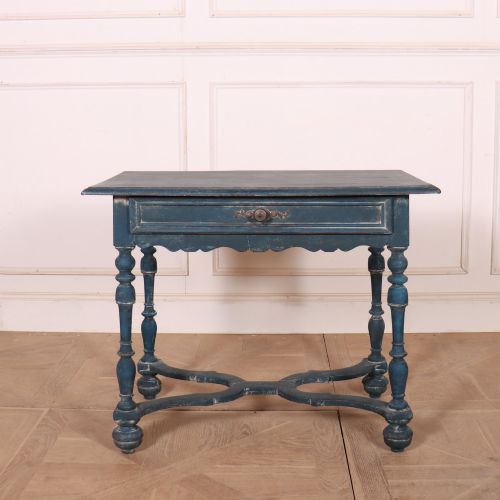
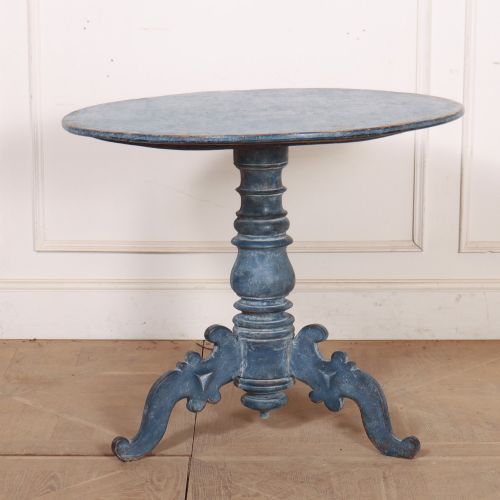
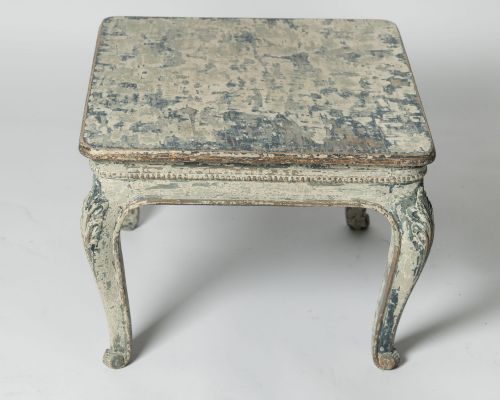
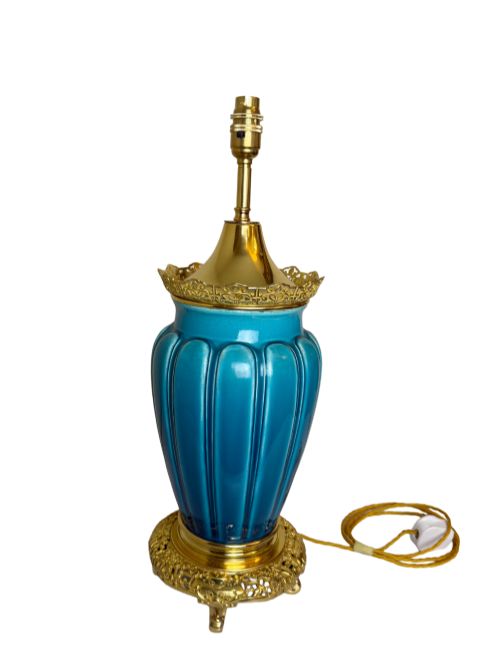
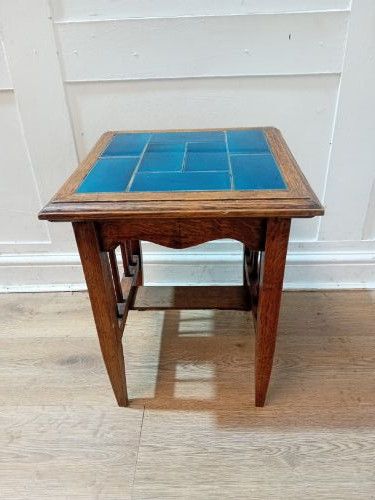
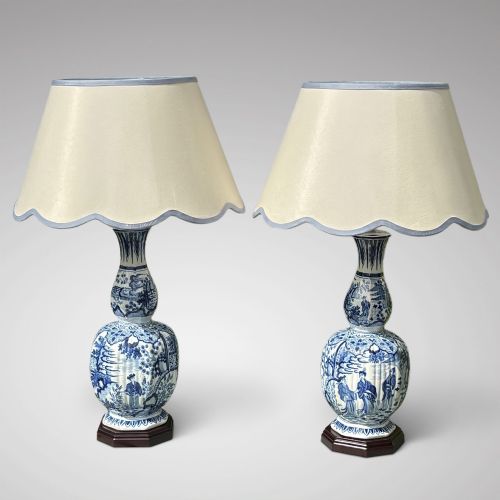
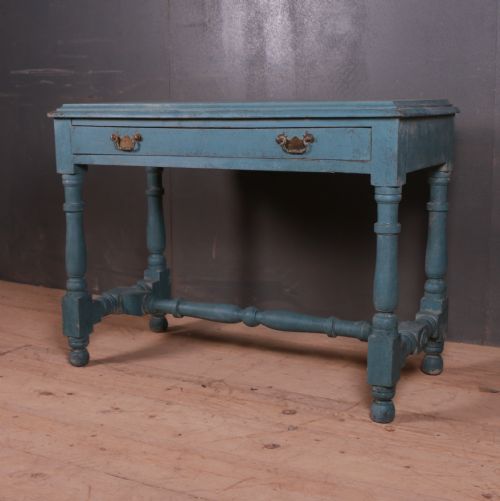
A blue accent lamp typically takes the form of a table lamp or a small lamp table designed to support lighting. The selection spans sturdy English painted lamp tables and side tables alongside converted porcelain and glass vases.
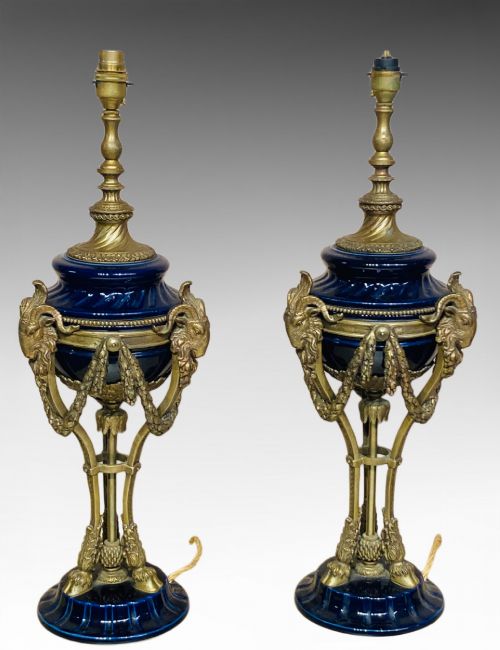
Continental examples appear frequently, ranging from Swedish painted designs to nineteenth century French porcelain and glass pieces. These objects merge functional surface space with striking blue colouration.
How they were made
Construction relies on traditional woodworking for tables in pine, oak, and painted wood, often finished with decorative hand painting. Metal elements utilise brass and gilt bronze trim, sometimes referred to as ormolu.
Ceramic and glass bodies employ porcelain, delftware, frosted glass, and moulded glass techniques. Many lamps represent later conversions of earlier vases fitted for electrical use.
Blue Accent Lamp Retail Price Guide 2026
Typical asking prices for blue accent lamp among the pieces listed under this phrase on Sellingantiques today, from the lower quarter to the upper quarter. They describe what is for sale here now, not the wider market.
Listings feature periods spanning the eighteenth century to the mid-twentieth century, utilising brass, porcelain, oak, pine, and painted wood.
What varies in quality
Quality rests upon the preservation of original painted surfaces, the crispness of gilt bronze mounts, and the integrity of porcelain or glass bodies. Hand-painted decoration shows varying degrees of artistic skill and fine detail.
The sophistication of the conversion work and the quality of foundational materials, such as solid oak or fine porcelain, determine the standing of each piece within its period.
The Blue Accent Lamp Glossary
- Ormolu
- Gilt bronze mounts applied to furniture and decorative objects. This technique creates a rich golden contrast against blue porcelain or painted wood.
- Cricket table
- A small, lightweight three-legged wooden table common in country interiors. They provide stable surfaces suited for holding modest lamps.
- Delftware
- Tin-glazed earthenware originating from the Netherlands and England, typically decorated in blue and white. It forms the body of distinct regional lamps.
- Baluster
- A moulded architectural shape resembling a pillar, featuring a swelling lower section. This profile frequently defines the silhouette of ceramic vase lamps.
Blue Accent Lamp: Frequently Asked Questions
What is a blue accent lamp?
A blue accent lamp is a small decorative light source or a small table designed to support illumination, featuring blue porcelain, glass, or painted wooden surfaces.
These pieces combine utility with distinct historical character, ranging from eighteenth-century painted lamp tables to mid-twentieth-century French glass fixtures.
How were these lamps used?
Historically, lamp tables provided a stable surface next to seating areas for small portable light sources. Vases and decorative vessels were often adapted later into electric table lamps.
They served both to brighten dark corners and to introduce colourful decorative focal points into period rooms.
How do I live with one?
Place a blue accent lamp on a side table or writing desk to create warm, low-level illumination. The rich blue tones complement neutral walls and dark wood furniture.
Ensure placement protects fragile porcelain, glass, or delicate painted surfaces from accidental knocks in busy walkways.
How are periods told apart?
Eighteenth-century pieces often display simple painted pine and regional English or Swedish craftsmanship. Later nineteenth- and twentieth-century examples show more ornate materials like gilt bronze trim, frosted glass, and moulded porcelain.
Stylistic cues such as Louis XVI neoclassical motifs or Arts and Crafts oak construction help pinpoint specific decades.