





Blonde Oak Table
A blonde oak table offers a pale, striking surface that brings warmth and clean grain to any room.
Blonde Oak Table
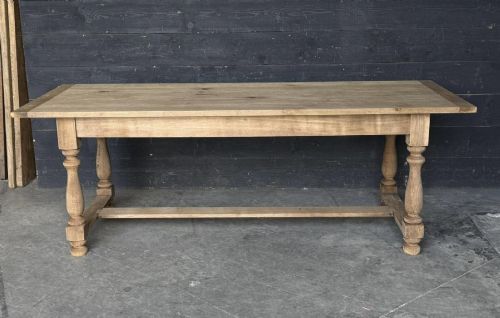
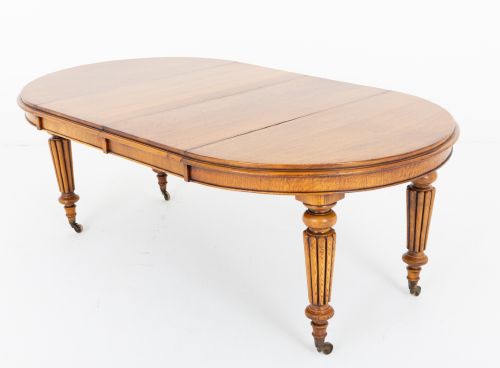
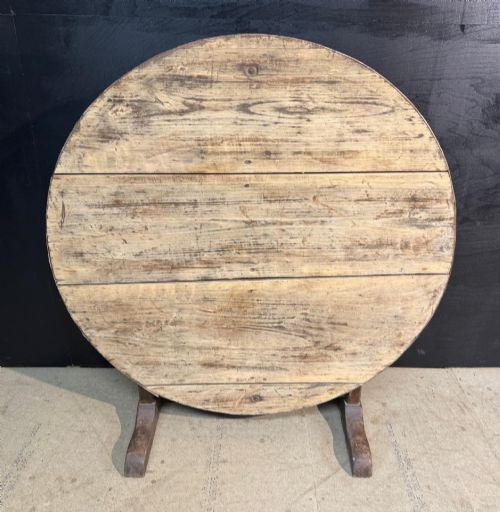
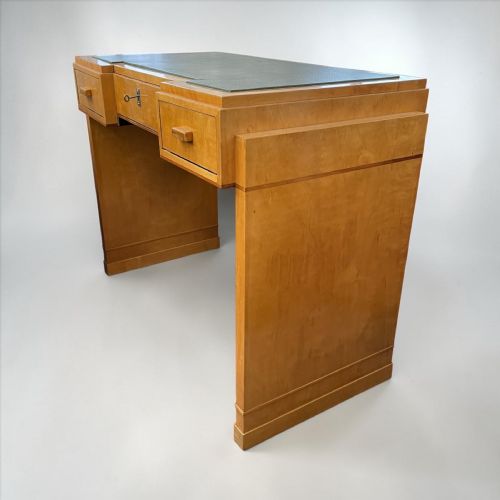
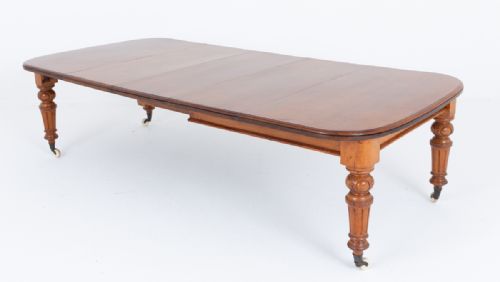
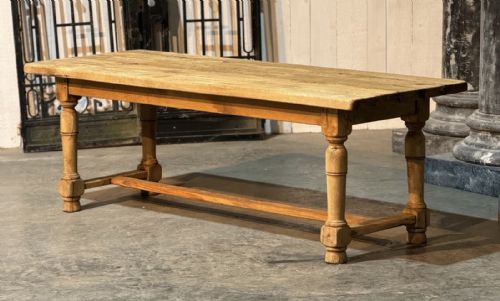
A blonde oak table provides a bright, pale timber surface that moves away from dark Victorian tones while keeping the solid construction of traditional woodworking. When you search for a blonde oak table, you encounter diverse forms ranging from large extending dining tables to compact bedside furniture, occasional coffee tables, and writing desks.
Origins vary across English workshops and French provincial regions, bringing distinct regional character to the grain and finish. Whether you choose a formal extending dining table or a low modernist coffee table, the pale tone remains the defining visual characteristic.
Materials and construction methods
These pieces rely primarily on solid oak, often selected for its prominent medullary rays and durable grain pattern, sometimes complemented by secondary timbers like pine or birch in hidden structural areas. Makers utilised traditional joinery techniques to build tables that withstand heavy daily use in dining rooms and studies.
Surface finishes include bleached oak treatments and natural wax polish that lighten the wood while protecting the fibre. Metal fittings in brass appear on desks and drawers, while occasional pieces incorporate glass tops or ebonised wood details to create contrast.
Blonde Oak Table Retail Price Guide 2026
Typical asking prices for blonde oak table among the pieces listed under this phrase on Sellingantiques today, from the lower quarter to the upper quarter. They describe what is for sale here now, not the wider market.
Materials paired with oak across these items include brass, glass, birch, pine, ebonised wood, and leather.
Assessing quality and craftsmanship
Quality in these tables depends on the selection of the timber and the consistency of the pale colour throughout the top and base. Superior pieces display harmonious grain matching across extending leaves or table surfaces, whereas lower quality examples may show patched repairs or uneven bleaching.
The integrity of the structural joints, particularly in extending dining tables and heavy desks, separates standard production from exceptional cabinet work. Maker signatures, retail labels, and documented attributions to notable designers elevate the standing of a piece within its period.
Heals·Betty Joel
The Blonde Oak Table Glossary
- Extending dining table
- A table equipped with a mechanism or removable leaves to increase the surface length for larger gatherings. These designs often feature winding mechanisms hidden beneath the frame.
- Art Deco
- A design style from the 1920s and 1930s characterised by sleek geometric forms, modern materials, and streamlined silhouettes. It represents a sharp break from heavy Victorian ornamentation.
- Kneehole writing desk
- A freestanding desk featuring a central recess for the user's legs, flanked by pedestals of small drawers. This form provides organised storage for correspondence and paperwork.
- Bleached oak
- Timber treated with chemical agents to lighten its natural brown shade into a pale, blonde tone. This process accentuates the underlying grain structure.
- Occasional table
- A small, movable table designed for specific, intermittent uses such as holding books or coffee. These versatile items appear frequently in 1930s modernist interiors.
Blonde Oak Table: Frequently Asked Questions
What periods do these tables come from?
The selection includes pieces spanning the mid-nineteenth century through the Edwardian period and into the 1930s Art Deco era. You will find Victorian extending designs alongside modernist coffee tables and rustic farmhouse examples.
Each period brings specific structural traits and decorative details, reflecting changing domestic fashions and woodworking standards across British and French workshops.
How do I care for blonde oak?
Maintain the pale finish by dusting regularly with a soft, dry cloth and avoiding harsh chemical cleaning products. Apply a quality clear beeswax periodically to nourish the wood and protect against surface moisture.
Keep wooden tables away from direct heat sources and strong sunlight to prevent the timber from drying out or altering in colour over time.
Are these tables suitable for daily dining?
Solid timber construction makes these tables robust enough for regular family meals and everyday use. Extending models offer the flexibility to seat extra guests when needed.
Using placemats and coasters helps protect the wax or polished finish from heat marks and moisture rings during meals.
How do I distinguish Art Deco from Victorian pieces?
Victorian examples generally feature heavier proportions, turned legs, and darker or traditional brown oak finishes. Art Deco pieces from the 1930s favour clean lines, streamlined silhouettes, and pale blonde surfaces.
Examining the hardware, joinery style, and overall silhouette usually reveals the era in which the furniture was constructed.