




Blond Walnut Table
These pieces in blond walnut table designs offer a lighter, warmer tone for a room.
Blond Walnut Table
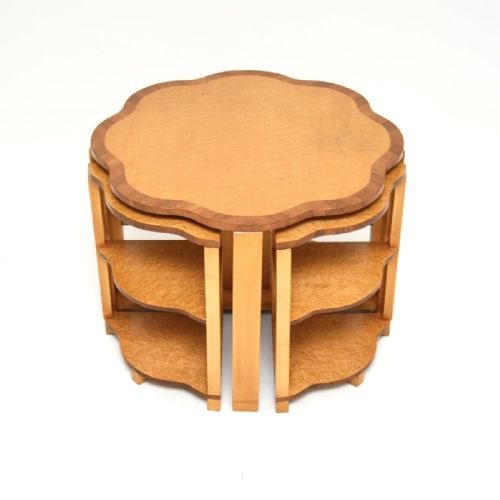
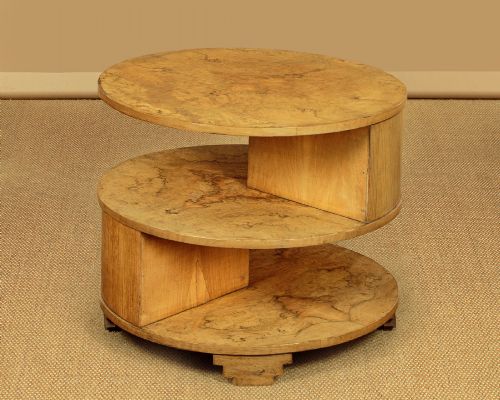
A blond walnut table brings a lighter, warmer tone to a room than traditional dark timber furniture, with examples appearing primarily from the 1930s alongside occasional 19th-century pieces. When searching for a blond walnut table, buyers generally encounter streamlined Art Deco forms such as coffee tables, nests of tables, centre tables, and dining suites.
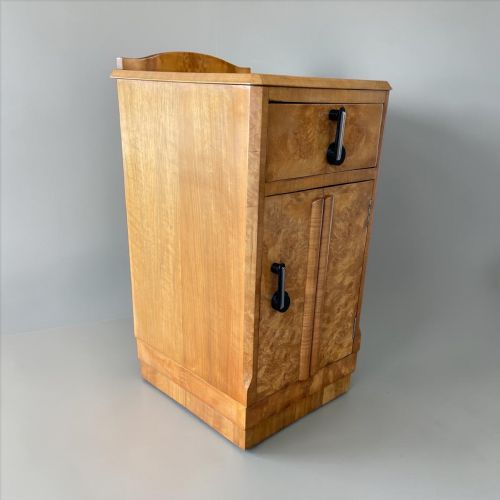
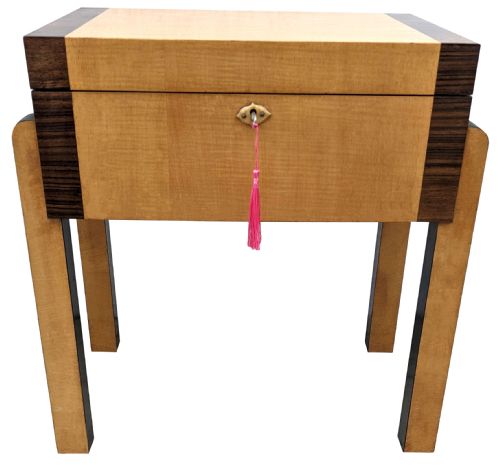
The selection ranges from compact occasional pieces like bedside tables and work box tables up to substantial dining tables with accompanying chairs. These items showcase the naturally paler grain of the wood or bleached finishes that gained popularity during the interwar period.
Materials and construction
Makers utilised walnut, burr walnut, and burr walnut veneer to create patterned surfaces, often pairing the timber with contrasting materials such as satinwood, birds eye maple, glass, and leather inserts. The construction relies on solid timber frames and applied veneers that highlight the natural figure of the wood.
Surface treatments range from natural pale grain to bleached walnut finishes characteristic of 1930s modernism, supported by traditional joinery and sturdy stretcher bases in nineteenth-century examples.
Blond Walnut Table Retail Price Guide 2026
Typical asking prices for blond walnut table among the pieces listed under this phrase on Sellingantiques today, from the lower quarter to the upper quarter. They describe what is for sale here now, not the wider market.
Even a work box table from the 1930s manages to look like it belongs on an ocean liner.
What separates the best from the rest
Quality rests upon the selection and matching of the wood veneers, where symmetrical grain patterns and harmonious contrasting borders elevate a piece. The skill of the cabinetmaker shows in the crispness of the geometric lines and the seamless integration of secondary timbers like satinwood or birds eye maple.
Proportion and structural integrity distinguish simpler utility items from ambitious workshop pieces designed for formal dining rooms or prominent living spaces.
Harry and Lou Epstein
The Blond Walnut Table Glossary
- Burr walnut
- A figured wood grain derived from the growths on walnut trees, prized for its swirling patterns. It provides a highly decorative surface for table tops.
- Bleached walnut
- Timber treated to lighten its natural dark tone, a technique favoured by designers in the 1930s. This process creates the pale golden hue associated with modernism.
- Nesting tables
- A set of graduated tables designed to fit neatly beneath one another when not in use. They offer practical surface space in compact modern interiors.
- H stretcher
- A horizontal wooden brace connecting the legs of a table in the shape of the letter H. This form provides additional structural rigidity to nineteenth-century dining tables.
Blond Walnut Table: Frequently Asked Questions
What rooms suit a blond walnut table?
These tables fit well into living rooms, dining spaces, and bedrooms, where their lighter timber tones complement contemporary or period interiors without visually crowding the floor space.
Compact forms like coffee tables and nests provide flexible surfaces, while larger dining suites anchor a dining room with interwar style.
How do I care for walnut veneer?
Walnut veneer benefits from regular dusting with a soft, dry cloth and protection from direct sunlight and excessive heat, which can dry out the timber. Avoiding harsh chemical cleaners preserves the original polish and the integrity of the thin surface wood.
Using coasters and mats prevents moisture rings and scratches on polished table tops.
How can I tell a 1930s table from a 19th-century one?
Nineteenth-century tables often feature heavier proportions, turned legs, and structural supports like H stretchers, reflecting traditional craftsmanship. In contrast, 1930s pieces typically display streamlined Art Deco geometries, bleached finishes, and exotic secondary veneers like birds eye maple.
The overall silhouette and hardware details immediately separate the interwar modernist aesthetic from earlier Victorian or revival designs.
Were these tables part of larger suites?
Many dining tables were originally created as part of coordinated dining suites that included matching chairs, dressing tables, or bedroom furniture sets. Surviving sets retain a unified design language across multiple pieces.
Occasional tables and bedside pieces were generally produced as standalone items or in small matching pairs.