





Black Wooden Wall Mirror
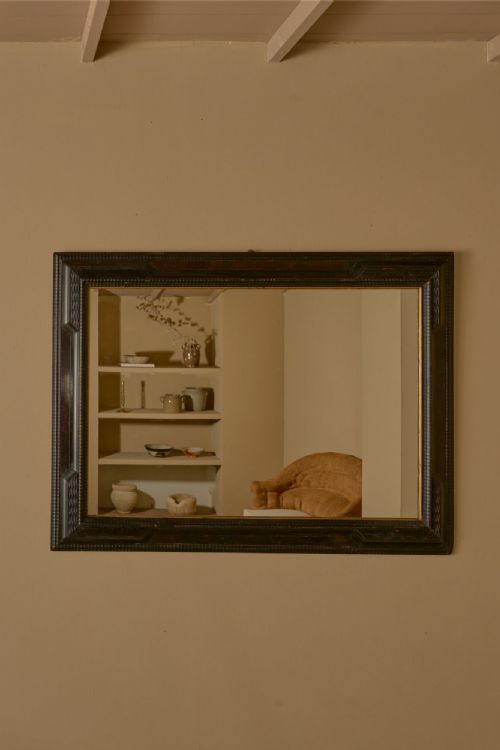
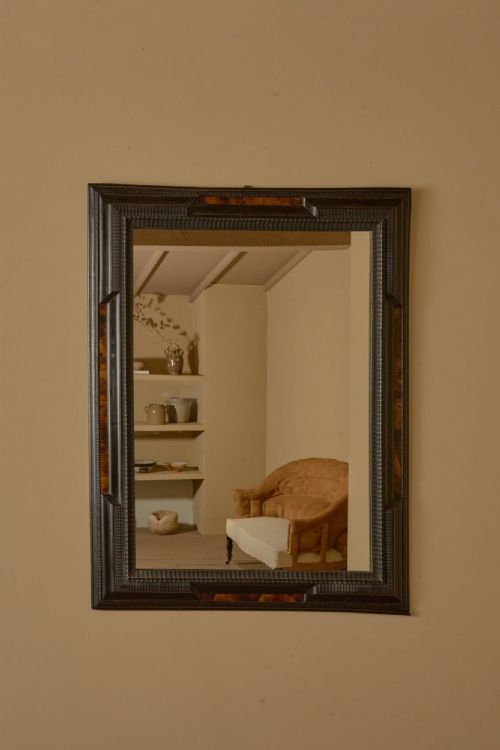
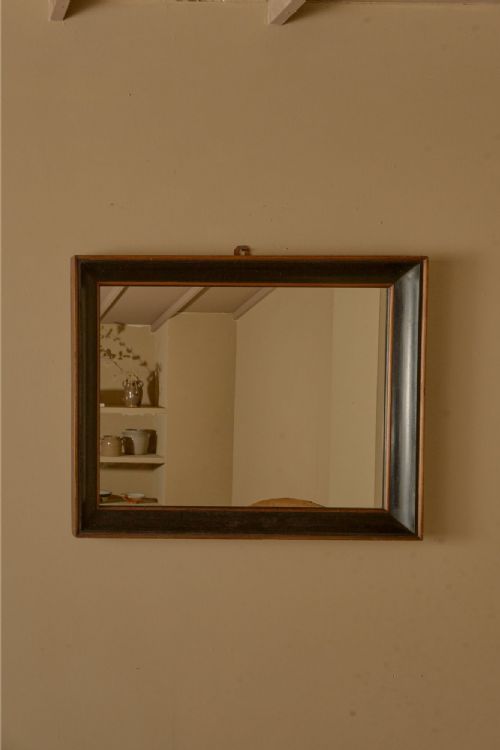
These black wooden wall mirror examples range from nineteenth-century ebonised overmantels to carved oak designs, offering dark timber frames suited to period interiors.
Black Wooden Wall Mirror
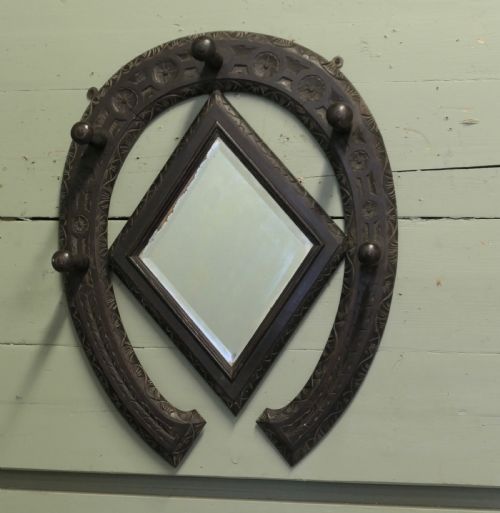
When someone searches for a black wooden wall mirror, they encounter a selection spanning the nineteenth and early twentieth centuries, including Victorian, Edwardian, and Art Deco eras. The predominant forms on this page are wall mirrors and large overmantels, alongside occasional floor mirrors, hall stands, and coat racks.
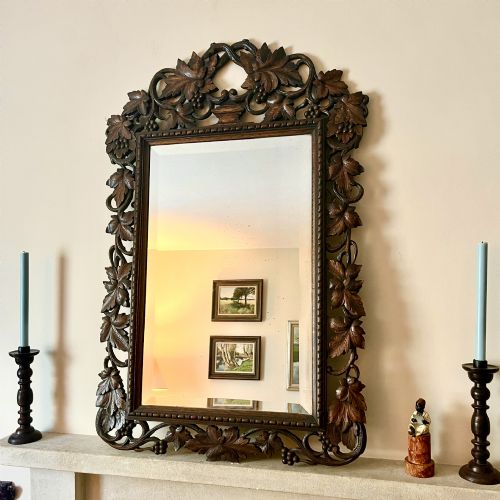
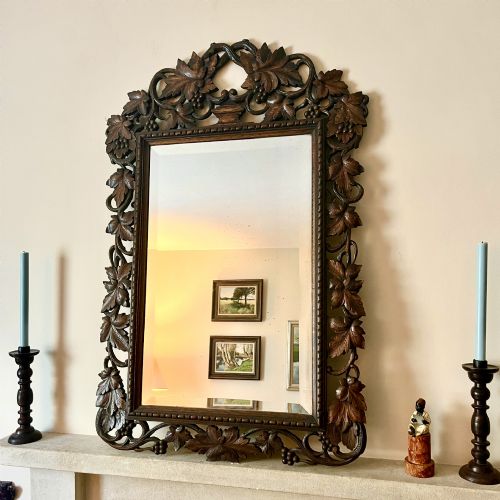
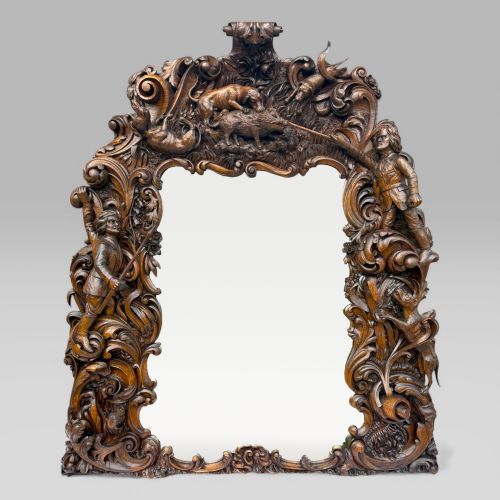
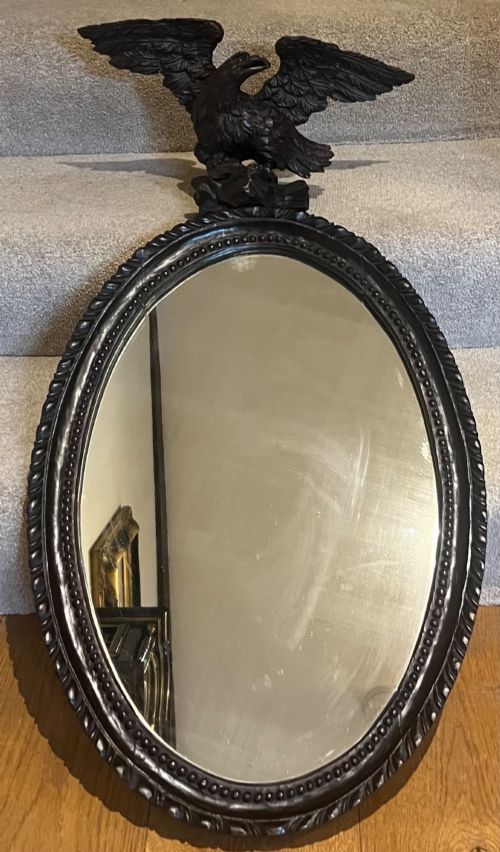
Stylistically, the selection embraces Victorian, Gothic Revival, Black Forest, and Aesthetic Movement influences. Many pieces utilise ebonised wood or dark oak, featuring carved details such as birds of prey, eagles, or foliage.
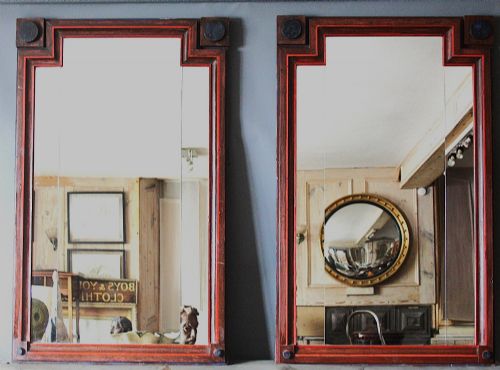
The material palette consists primarily of wood, mirror glass, ebonised wood, and painted wood. Buyers find both simple rectilinear frames and ornate architectural overmantels designed for domestic spaces.
What varies in quality
Quality rests upon the crispness of the wood carving and the depth of the ebonising or paint finish. Elaborate Black Forest animal carvings and finely chased brass mounts distinguish finer examples from simpler vernacular pieces.
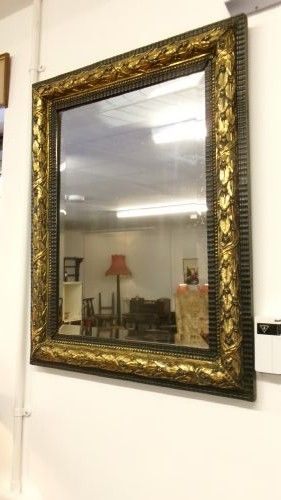
The integrity of the original mirror glass, whether bevelled or flat, influences the character of the piece. Substantial overmantel frames with well-executed gilt detailing represent the more ambitious output of nineteenth-century workshops.
Black Wooden Wall Mirror Retail Price Guide 2026
Typical asking prices for black wooden wall mirror among the pieces listed under this phrase on Sellingantiques today, from the lower quarter to the upper quarter. They describe what is for sale here now, not the wider market.
Several pieces feature carved eagles and birds of prey keeping a glassy-eyed watch over the Victorian hallway.
The Black Wooden Wall Mirror Glossary
- Ebonised
- Wood treated with stain or paint to resemble costly ebony. This dark finish gained popularity during the Victorian period.
- Overmantel mirror
- A large mirror designed to hang above a fireplace mantelpiece. These often feature wide wooden frames intended to anchor the room.
- Bevelled glass
- Mirror glass with edges cut and polished at an angle. This technique creates a prismatic border reflecting light inward.
- Black Forest
- A nineteenth-century style of woodwork originating in central Europe. It is characterised by naturalistic carvings of animals and foliage.
Black Wooden Wall Mirror: Frequently Asked Questions
Where should I hang a large overmantel mirror?
These large frames suit placement above a fireplace or along a principal reception room wall. Their proportions reflect light and anchor the surrounding furniture.
Ensure the wall construction supports the substantial weight of nineteenth-century wooden frames and glass.
How do I care for ebonised wood frames?
Dust the wooden surfaces gently with a dry, soft cloth to protect the dark finish. Avoid chemical polishes that can degrade nineteenth-century paint or ebonising.
Keep mirrors away from direct sunlight and damp environments to preserve the timber and silvering.
What distinguishes Gothic Revival mirrors?
Gothic Revival pieces incorporate architectural motifs such as pointed arches, quatrefoils, and heavy carved oak. These design elements mirror ecclesiastical architecture of the period.
They offer a solemn, robust presence compared to lighter aesthetic movement designs.
Are the mirror plates original?
Many nineteenth-century frames retain their original bevelled or flat mirror glass, which often exhibits minor foxing. Such age spots provide evidence of historic manufacture.
Inspect the edges and backing to understand the relation between the glass and the wooden frame.