


Black Wooden Table Clock
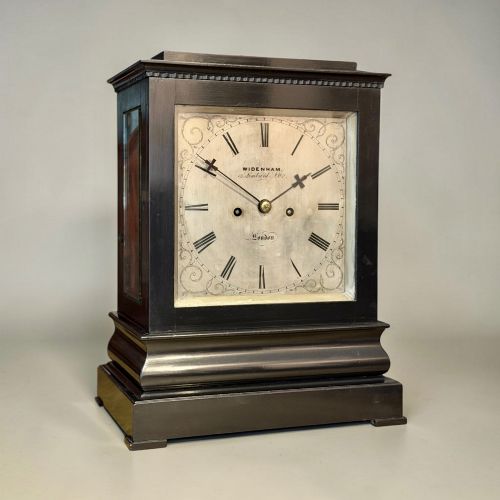
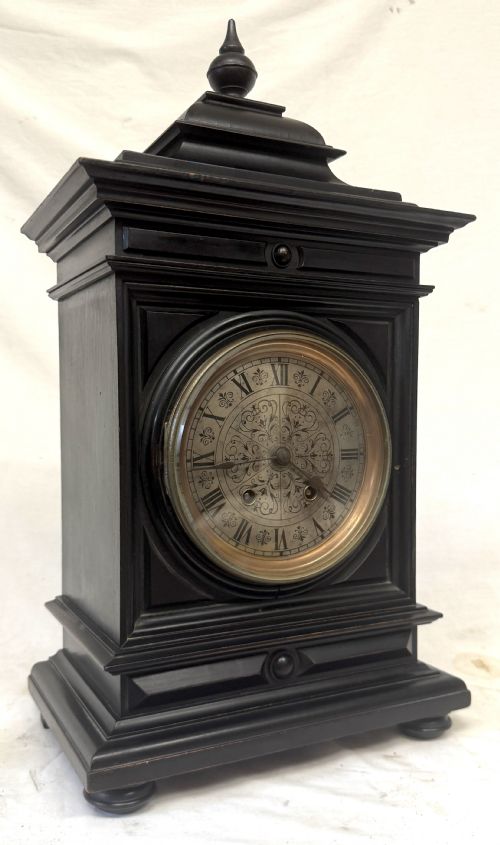
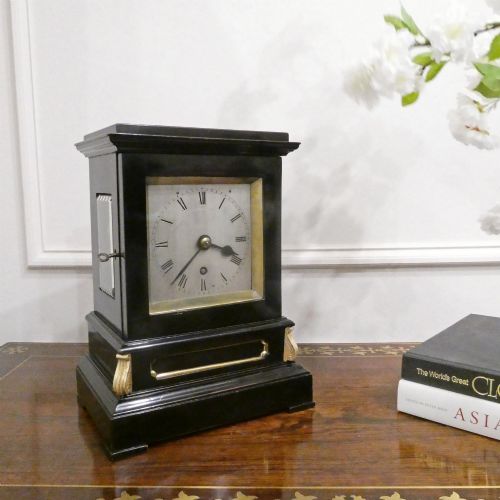
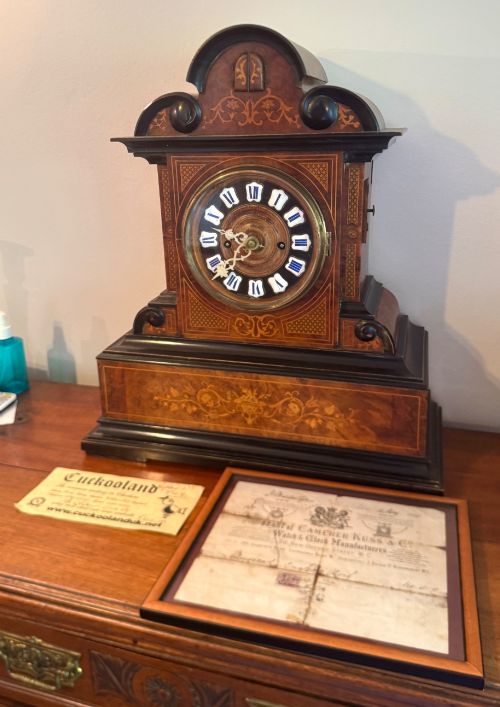
A black wooden table clock brings dark timber and precise mechanics together, offering a striking focal point for a mantelpiece.
Black Wooden Table Clock
A black wooden table clock encompasses robust bracket clocks, architectural mantel clocks, and carved wooden timepieces produced across the eighteenth and nineteenth centuries. These objects combine dark wood finishes with intricate dial work and mechanical movements designed to sit upon furniture surfaces.
The selections span distinct regional traditions, ranging from English ebonised fusee bracket clocks housed in break-arch cases to ornate Swiss and German Black Forest carvings in Linden wood and walnut. Victorian aesthetic movement pieces and French Rococo interpretations also appear frequently among the listings.
Buyers encounter everything from towering musical bracket clocks with multiple bells to compact library clocks and cuckoo variants. Each piece demonstrates the functional clockmaking arts of London, continental Europe, and beyond during the Georgian and Victorian eras.
How they were made
Cases utilise solid timbers such as walnut and Linden wood, or feature ebonised wood finishes applied to form deep, light-absorbing surfaces. These dark housings are frequently paired with cast brass mounts, ormolu details, and protective glass panels enclosing the dial.
Internal mechanics rely on traditional fusee movements, spring-driven mechanisms, and verge escapements constructed from brass and steel components. Dials incorporate hand-painted enamel, silvered brass rings, and delicate hands to track the hours.
Materials documented across the pieces include ebonised wood, walnut, Linden wood, brass, ormolu, and glass.
What varies in quality
The distinction between standard production and exceptional horology lies in the sophistication of the internal movement, such as triple fusee setups, quarter repeating systems, or musical chiming apparatuses. Maker attribution also elevates a piece significantly, particularly when signed by renowned London workshops or specialist continental carvers.
Cabinetwork quality defines the exterior, where crispness of hand-carving in Black Forest Linden wood or precision joinery in ebonised break-arch cases marks out superior output. The integration of high-grade materials like ormolu mounts and silvered chapter rings further separates ordinary examples from masterworks.
Widenham of London·Lenzkirch·Bergen & Co·Des Granges of London·Andrew Marchant of London·John Leroux·Barraud & Lunds·Joseph Lum
The Black Wooden Table Clock Glossary
- Fusee
- A conical pulley used in spring-driven clocks to ensure even tension and steady timekeeping as the mainspring unwinds. This clever mechanical device compensates for the dropping torque of a relaxing spring.
- Ebonised
- Wood finished with a dark stain or polish to imitate genuine ebony. This technique was widely utilised during the Victorian and earlier periods to create sleek, uniform black surfaces.
- Bracket clock
- A portable household clock originally designed to sit upon a dedicated wall bracket or flat table surface. These pieces often feature substantial brass movements and arched wooden cases.
- Verge escapement
- An early mechanical regulating mechanism controlling the release of gear trains in a clock. It works in conjunction with a balance spring or pendulum to maintain regular beats.
- Ormolu
- Gilded bronze ornamentation applied to furniture and clock cases during the eighteenth and nineteenth centuries. The technique involves fusing a mercury and gold amalgam onto bronze.
Black Wooden Table Clock: Frequently Asked Questions
Where should I place a bracket clock?
A sturdy table, sideboard, or mantelpiece away from direct sunlight and drafts provides an ideal display environment.
Ensuring the surface is completely level allows the pendulum or balance wheel to beat evenly and keeps the mechanical movement functioning accurately.
How do I distinguish a Victorian ebonised clock from an 18th century one?
Eighteenth-century examples often feature architectural break-arch cases with verge escapements and signature London maker plaques.
Victorian variations frequently incorporate aesthetic movement design cues, bolder mouldings, or more complex chiming trains like Westminster arrangements.
What is a Black Forest carved clock?
These whimsical timepieces originate from the mountainous regions of Germany and Switzerland, carved meticulously from Linden wood or walnut.
They frequently display naturalistic motifs including foliage, animals, and rustic scenes surrounding the central clock face.