



Black Wooden Bases
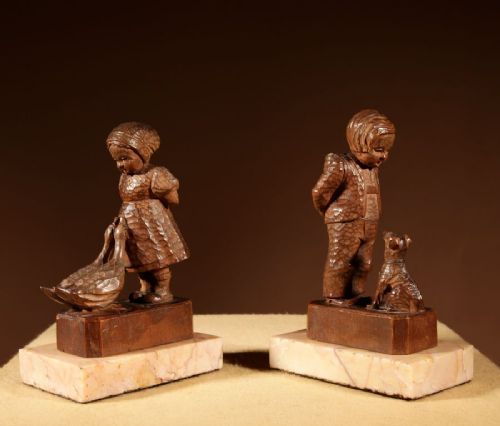
Black wooden bases provide dark, stable elevations for sculptures, domes, and decorative objects.
Black Wooden Bases
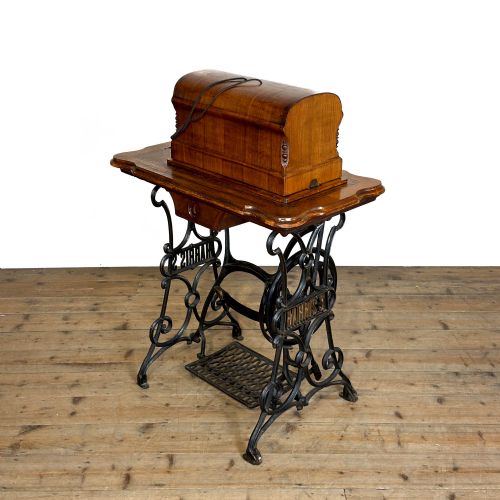
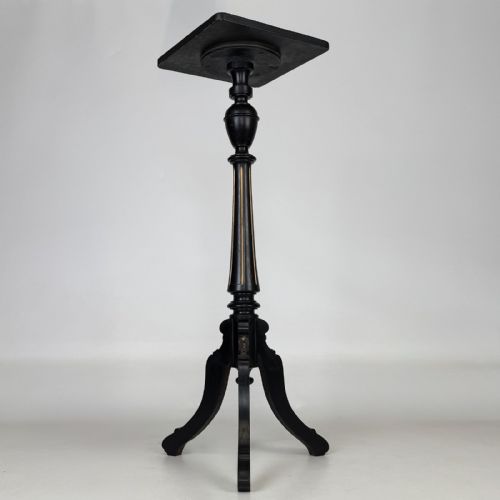
Black wooden bases appear across various periods, including Victorian, 18th Century, and 1930 examples, serving as foundations for sculptures, plants, and glass domes. These objects support heavier display items or form part of larger furniture like dresser bases and pedestals.
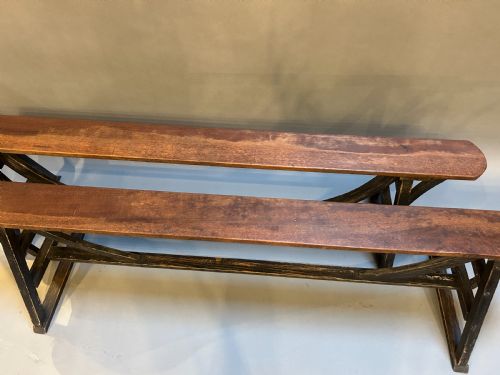
The selection ranges from ebonised wood stands and plant holders to painted black Victorian dresser bases and carved pedestals. Ebonised finishes and dark paint dominate the offerings on this page.
Buyers encounter these supports integrated into decorative arts, taxidermy displays, and plant stands. Their primary function remains holding an object securely while introducing a dark tone to the display.
How they were made
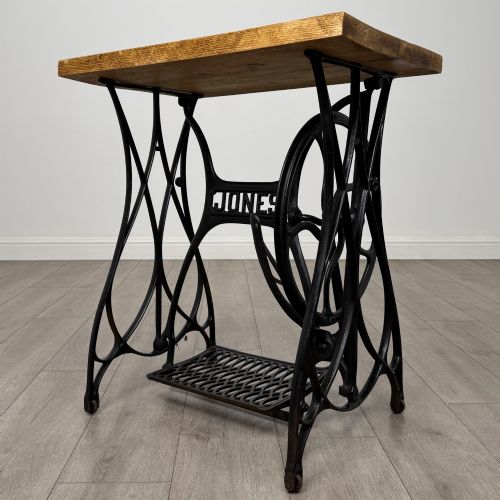
Makers utilised wood, paint, and ebonised treatments to achieve dark surfaces, sometimes combining timber with brass, glass, or cast iron components. Wood is shaped into tripod bases, columns, and carved platforms.
Surface treatments involve ebonisation, black paint, or lacquer applied to pine, hardwood, and ebony. Craftspeople built these supports to bear the weight of sculptures, clocks, and glass domes.
Black Wooden Bases Retail Price Guide 2026
Typical asking prices for black wooden bases among the pieces listed under this phrase on Sellingantiques today, from the lower quarter to the upper quarter. They describe what is for sale here now, not the wider market.
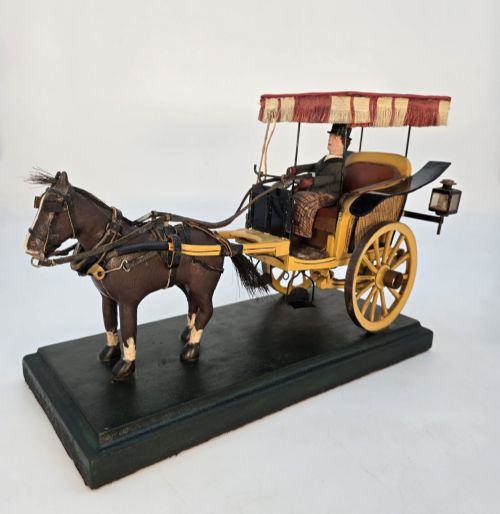
An elephant sculpture on a base walks alongside a horse and driver in a scratch-built model.
What varies in quality
Quality depends on the precision of the woodwork and the integrity of the ebonised or painted finish. Finer pieces demonstrate careful carving, stable joinery, and appropriate material selection.
The relationship between the base and its intended object affects the overall success of the piece. Superior examples maintain structural stability while complementing the sculpture, plant, or dome they carry.
Eugene Emile Borga·Guido Cacciapuoti·Gritzner And Co
The Black Wooden Bases Glossary
- Ebonised wood
- Timber treated to resemble ebony through staining, painting, or chemical processes. This finish provides a deep black surface often seen on Victorian stands.
- Tripod base
- A three-legged support structure used for stability on tables, stands, and jardinières. This design prevents rocking on uneven floors.
- Dresser base
- The lower section of a kitchen or dining cabinet featuring cupboards and drawers. These items provide surface space and storage.
- Pedestal
- An upright architectural column or support used to elevate sculptures, vases, or lamps. They bring objects to eye level.
Black Wooden Bases: Frequently Asked Questions
What items sit on black wooden bases?
Sculptures, glass domes, and plants frequently use these dark supports to elevate display pieces. They appear beneath figures, clocks, and botanical specimens.
Heavier objects require stable wooden platforms to prevent tipping and to frame the display effectively.
How do I date a black wooden base?
Dating relies on stylistic clues, construction methods, and materials associated with periods like the Victorian era or the 18th century. Ebonised finishes and turned wooden components often point to specific manufacturing decades.
Comparing the joinery and finish to dated examples helps narrow down the period of origin.
Where should I place a pedestal base?
Pedestals and plant stands suit corners, hallways, or living spaces where an elevated sculpture or plant draws the eye. They require stable flooring to support vertical weight.
Keep them away from direct heat sources to protect the wooden structure and finish.
Are painted bases original?
Many Victorian and earlier pieces feature original black paint, lacquer, or ebonised surfaces applied during manufacture. Examination of the wear patterns helps distinguish original finishes from later updates.
Matching the surface texture to the period of the wood confirms authenticity.