





Black Wood Taxidermy
Black wood taxidermy brings together natural specimens and dark timber mounts, offering the dramatic presence that collectors value.
Black Wood Taxidermy
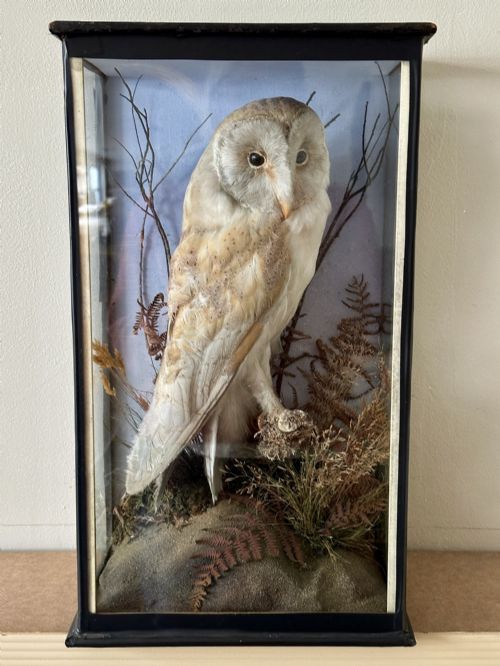
When buyers search for black wood taxidermy, they encounter pieces that combine preserved birds, mammals, and antlers with ebonised wooden bases, carved forest frames, or glass display domes. The selection relies heavily on Victorian and Edwardian examples, alongside early twentieth-century dioramas and carved folk art trophies.
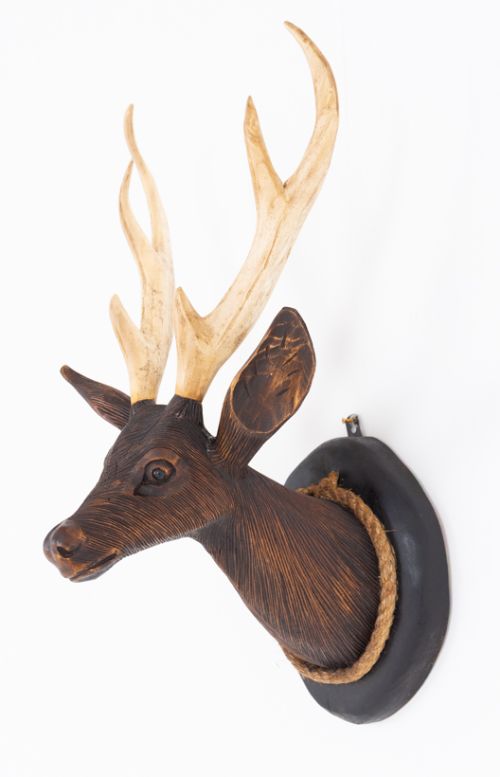
The most common items on this page are glass display domes and cloches protecting taxidermy specimens on dark wooden stands, supplemented by carved wood deer heads and antler trophies mounted on wooden shields. These pieces originate primarily from British and European workshops spanning the nineteenth and early twentieth centuries.
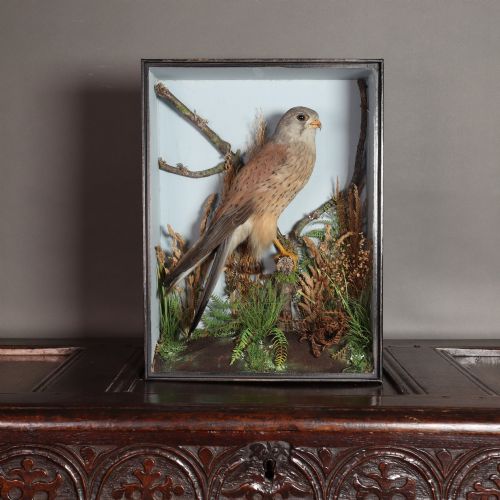
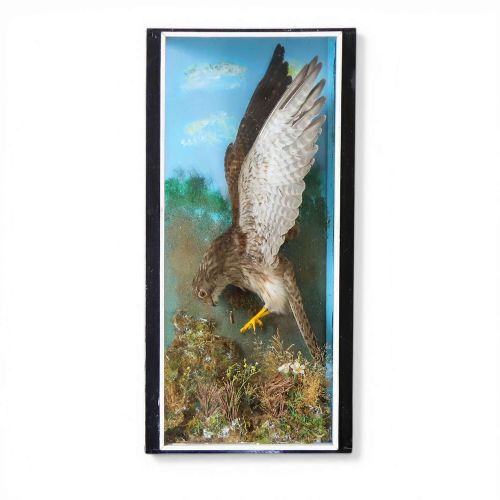
Specimens range from kestrels housed in painted wooden cases to large mounted stag skulls with eleven-point antlers. Each object integrates natural history with period craftsmanship, utilising ebonised wood or carved timber to frame the preserved fauna.
Materials and construction
Makers constructed these pieces using glass, wood, ebonised wood, fabric, paint, antlers, felt, and feathers. Taxidermists preserved birds and mammals using traditional stuffing and mounting techniques, while woodworkers shaped circular bases, rectangular display cases, and carved shields.
Glaziers blew and formed tall glass domes and cloches to protect delicate specimens from dust and humidity. Craftsmen then fitted these glass covers onto turned wooden bases, often ebonised to achieve a uniform black finish that contrasted with the natural colours of the feathers and fur.
Black Wood Taxidermy Retail Price Guide 2026
Typical asking prices for black wood taxidermy among the pieces listed under this phrase on Sellingantiques today, from the lower quarter to the upper quarter. They describe what is for sale here now, not the wider market.
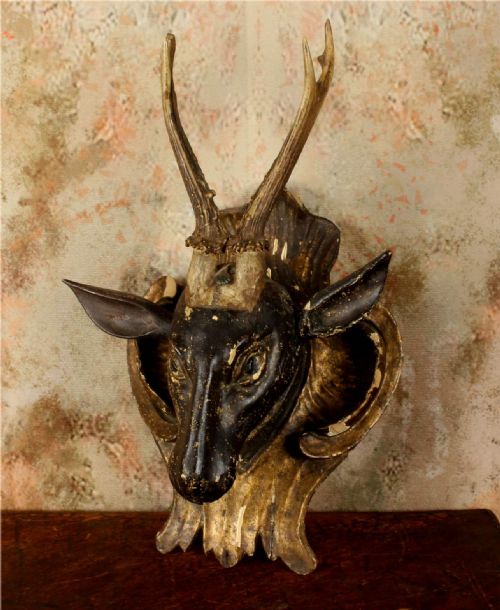
An eleven-point stag looks out steadily from a carved wooden shield, watching the room with undiminished nineteenth-century composure.
Judging quality and condition
Quality in these pieces depends on the preservation of the specimen and the integrity of the associated woodwork and glass. Superior examples feature clear, unblemished blown glass domes paired with densely carved wooden shields or well-turned ebonised bases that show minimal wear.
The artistry of the taxidermy itself determines the standing of a piece, with naturalistic poses and vibrant plumage distinguishing the finest dioramas. Well-executed carving on wooden stag heads and sturdy construction in the surrounding display cases elevate the overall standard of the object.
T. E. Gunn
The Black Wood Taxidermy Glossary
- Cloche
- A bell-shaped glass cover used to protect delicate taxidermy specimens and botanical displays. These transparent covers sit snugly on wooden bases.
- Ebonised wood
- Timber treated with a dark stain or finish to imitate expensive ebony. This dark surface provides a stark contrast to mounted specimens.
- Black Forest style
- A nineteenth-century carving tradition originating in Switzerland and Germany, characterised by naturalistic depictions of animals and foliage in dark wood. Stag heads and forest motifs dominate this style.
- Diorama
- A three-dimensional scene featuring taxidermy specimens arranged within a painted or decorated case. These enclosures often mimic the natural habitat of the animal.
- Trophy mount
- Antlers or horns attached to a carved wooden shield or backing board for display on a wall. These pieces frequently record hunting heritage.
Black Wood Taxidermy: Frequently Asked Questions
What is black wood taxidermy?
Black wood taxidermy encompasses preserved animal specimens, antlers, and birds displayed in conjunction with dark wooden frames, ebonised bases, or carved timber shields. These items combine natural history collections with nineteenth and early twentieth-century decorative woodworking.
Most pieces take the form of glass domes protecting delicate specimens or carved wooden deer heads intended for wall display. The dark wood provides a formal, contrasting backdrop that highlights the natural colours of the feathers, fur, and bone.
How were glass display domes used?
Glass display domes and cloches served to protect fragile taxidermy specimens, botanical collections, and delicate ornaments from household dust, smoke, and handling in Victorian and Edwardian interiors. The clear glass allowed uninterrupted viewing from all angles.
These domes typically fit into a groove on a turned wooden base, frequently finished in ebonised wood. They functioned as both scientific specimen showcases and decorative parlour ornaments.
How do I care for taxidermy under glass?
Keeping taxidermy under glass shields the specimens from dust, direct sunlight, and physical damage, requiring minimal ongoing maintenance. The glass should be cleaned gently with a soft cloth and mild glass cleaner while remaining on the base.
Avoid placing these pieces in direct sunlight or areas with fluctuating humidity, as this can degrade feathers, fur, and old wood over time. The sealed nature of most domes means the interior environment stays largely stable.
How do I date antique taxidermy pieces?
Dating antique taxidermy involves examining the construction of the wooden base, the clarity and weight of the glass dome, and the mounting style of the specimen. Victorian and Edwardian examples often feature hand-blown glass with minor imperfections and heavy ebonised wood bases.
Documentation, taxidermist labels inside cases, and the specific carving techniques on wooden shields or Black Forest trophies provide further chronological markers. Comparing the materials to dated examples helps narrow the period of origin.