





Black Wire Fire Guard
These black wire fire guard pieces protect a room from stray sparks while keeping hearths properly contained.
Black Wire Fire Guard
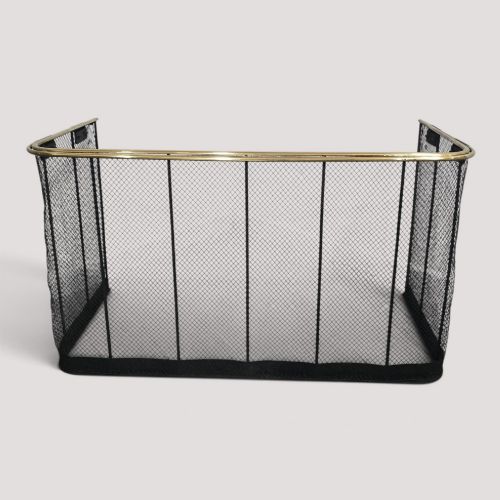
A black wire fire guard is an essential hearth accessory designed to contain stray sparks and protect interiors from open flames. The listings here present practical forms ranging from functional spark guards to nursery fenders.
Most examples you will encounter date from the nineteenth century through the Edwardian period, often constructed with protective brass rails. These pieces combine utilitarian iron wire mesh with period detailing suited to traditional fireplaces.
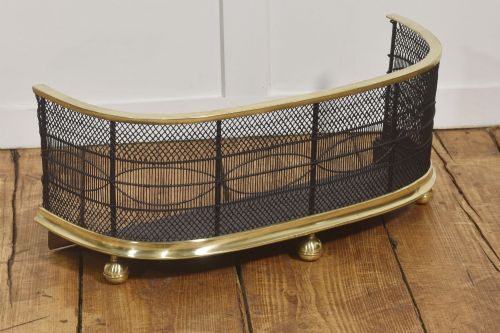
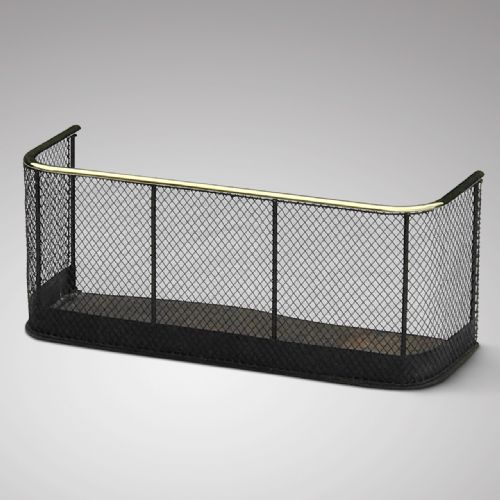
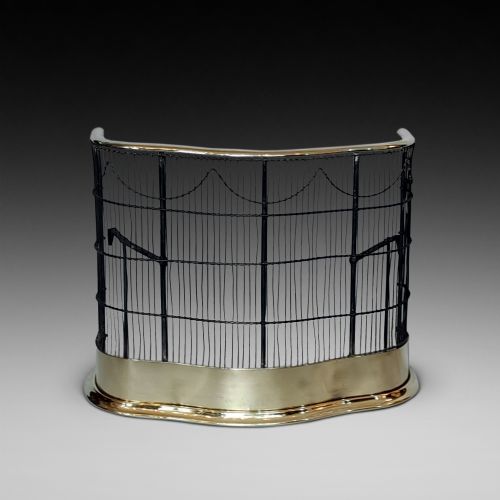
Forms include serpentine fire guards, nursery fenders equipped with clothes rails, and larger country house screens. Each variant serves to secure the hearth whilst maintaining visibility of the fire.
How they were made
Makers constructed these fire guards using woven iron wire and steel wire mesh, secured within sturdy iron and wrought iron frames. This combination provided both structural rigidity and a fine mesh capable of stopping flying embers.
Many examples incorporate polished brass frames, rims, and top rails to contrast with the dark iron wire. These brass elements were frequently cast or sheet-formed and attached firmly to the wire body.
Black Wire Fire Guard Retail Price Guide 2026
Typical asking prices for black wire fire guard among the pieces listed under this phrase on Sellingantiques today, from the lower quarter to the upper quarter. They describe what is for sale here now, not the wider market.
Materials across these listings include brass, iron, wire mesh, and wrought iron spanning the 19th Century to 1920.
What varies in quality
Quality in a black wire fire guard lies in the tightness of the wire weave and the structural integrity of the frame. Finer examples display even, closely spaced wire mesh bound securely to heavy iron or brass surrounds.
The sophistication of the brass work distinguishes standard utilitarian guards from finer pieces. Heavier gauge brass top rails and well-finished serpentine frames indicate superior workshop production.
The Black Wire Fire Guard Glossary
- Nursery fender
- A tall protective enclosure placed around a fireplace to keep children at a safe distance from the flames. These often feature an integrated top rail.
- Serpentine
- A gentle undulating curved shape often seen along the front rim of Victorian and Regency fire guards. It adds visual softness to the rigid metal mesh.
- Wire mesh
- An open fabric of woven metal wires used to construct the body of the guard. It allows heat to pass through whilst trapping sparks.
- Companion set
- A collection of fireplace tools such as pokers and tongs, sometimes associated with larger hearth screens in country house settings.
Black Wire Fire Guard: Frequently Asked Questions
What is a nursery fender?
A nursery fender is an elevated fire guard designed to surround the hearth completely. It creates a physical barrier to keep children safely away from hot grates and flying sparks.
These pieces often include a sturdy top rail and sometimes incorporated clothes rails for drying garments.
How do I date a fire guard?
Dating relies on materials, construction methods, and stylistic cues present in the frame. Nineteenth-century examples often feature heavy iron wire mesh paired with substantial brass top rails.
Later Edwardian and early twentieth-century pieces may display lighter steel wire construction and simpler geometric forms.
Can I use these with modern fires?
These historical guards fit well in front of open solid fuel hearths to catch stray embers. The mesh design ensures heat radiates into the room unimpeded while maintaining safety.
Ensure the dimensions of the guard match your hearth opening before placement.
What metals are used?
Construction primarily involves iron wire, woven iron wire, and steel wire mesh for the main body. Frames utilise wrought iron or cast brass elements for structural support.
Many period guards combine dark iron mesh with polished brass rims and top rails for contrast.