






Black Upholstered Bedroom Chair
A black upholstered bedroom chair brings dark wood and soft textiles together in a private room.
Black Upholstered Bedroom Chair
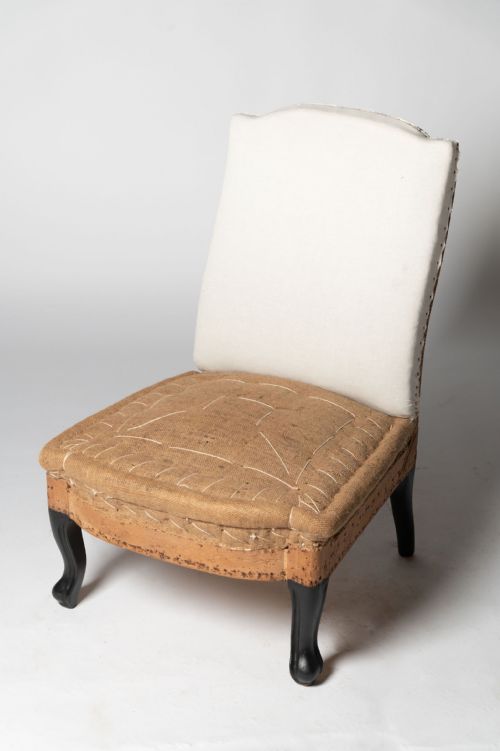
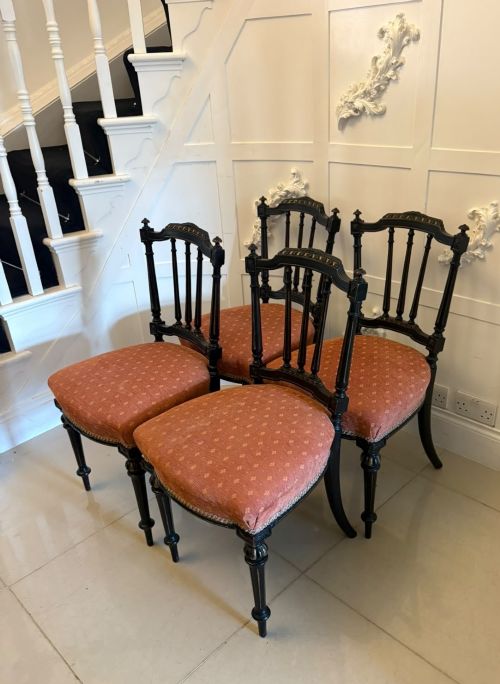
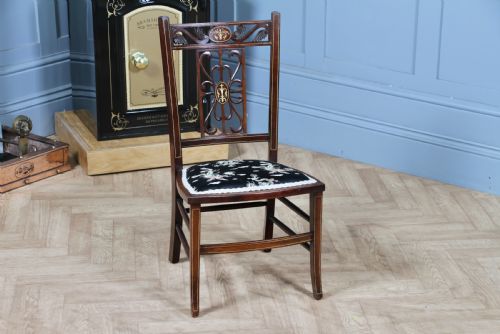
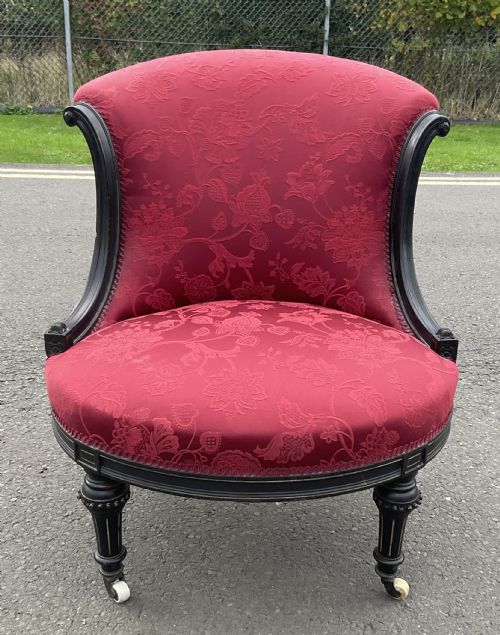
A black upholstered bedroom chair combines functional seating with period character, appearing in forms such as nursing chairs, slipper chairs, and side chairs. These pieces emerge from the Victorian, Edwardian, and Regency eras, alongside French nineteenth-century examples designed for boudoir and salon spaces.
The materials recorded in these listings rely heavily on ebonised wood frames paired with various textiles, calico, velvet, and silk upholstery. Brass mounts and gilt detailing occasionally accent the dark timber frames, completing the distinct aesthetic of the nineteenth century.
Buyers seeking a black upholstered bedroom chair encounter diverse silhouettes, from low-slung slipper chairs to carved nursing chairs and side chairs. The selection spans straightforward Victorian designs through to aesthetic movement and grand regency interpretations.
Materials and construction
Frames rely on ebonised wood, beech, and mahogany, darkened or stained to achieve a uniform dark finish that mimics ebony. Carved details, turned elements, and occasional faux bamboo turning shape the structural timber.
Upholstery involves textiles such as silk, velvet, and calico stretched over supportive interiors. Brass or ormolu mounts attach to frames for decorative effect, while inlay work appears on select Edwardian examples.
Black Upholstered Bedroom Chair Retail Price Guide 2026
Typical asking prices for black upholstered bedroom chair among the pieces listed under this phrase on Sellingantiques today, from the lower quarter to the upper quarter. They describe what is for sale here now, not the wider market.
Listings feature ebonised wood across Victorian, Regency, and Edwardian periods, alongside textiles like velvet, silk, and calico.
Assessing quality and craftsmanship
The standard of carving and turning distinguishes simpler utilitarian seating from finer salon and boudoir pieces. Crisp lines in ebonised timber and well-executed joinery indicate superior workshop production.
The application of finish and the integration of decorative elements such as ormolu mounts or gilt highlights reveal the original ambition of the piece. Subtlety in proportion and harmony between the wood frame and the textile upholstery mark the upper range.
The Black Upholstered Bedroom Chair Glossary
- Ebonised Wood
- Timber treated with a dark stain or finish to resemble costly ebony. This technique gained wide popularity during the Victorian period.
- Nursing Chair
- A low-seated chair traditionally designed for nursing infants comfortably. These pieces typically feature padded upholstery and a compact footprint suitable for bedrooms.
- Slipper Chair
- A low upholstered chair originally intended for a bedroom or dressing room. The low seat height allowed women to sit easily while putting on shoes.
- Aesthetic Movement
- A late nineteenth-century design style emphasising visual beauty over narrative or moral function. Pieces from this movement often feature ebonised surfaces and stylised motifs.
- Boudoir Chair
- A small, decorative seating piece created for private rooms. These chairs emphasise comfort and elegant fabric coverings.
Black Upholstered Bedroom Chair: Frequently Asked Questions
How do I identify Victorian ebonised chairs?
Victorian ebonised chairs feature dark, stained timber finishes applied to hardwoods like beech or mahogany. They frequently incorporate turned members, carved details, or aesthetic movement motifs.
These chairs often utilise upholstery materials such as velvet, calico, or silk to complement the dark frame.
Where were slipper chairs used?
Slipper chairs found their place in bedrooms and dressing rooms during the nineteenth century. Their low profile made them practical for sitting while dressing or managing footwear.
They paired upholstered comfort with compact dimensions, fitting easily into private quarters.
What defines an aesthetic movement chair?
An aesthetic movement chair prioritises visual harmony and refined surface treatment over heavy historic revivalism. Ebonised wood finishes and understated decorative accents define the look.
These pieces emerged in the late nineteenth century alongside changing interior tastes.