




Black Pine Box
These black pine box pieces offer enduring utility and rustic charm, built from sturdy timber and finished in dark tones for everyday storage.
Black Pine Box
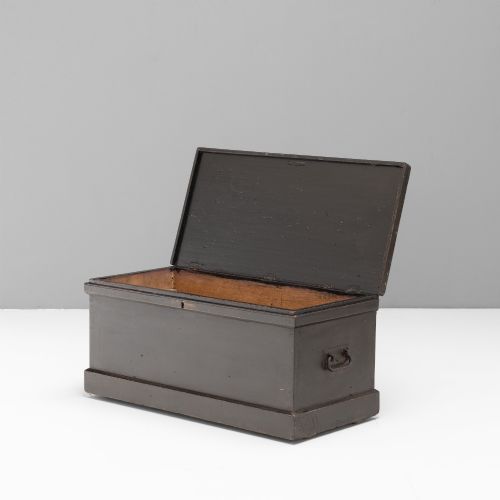
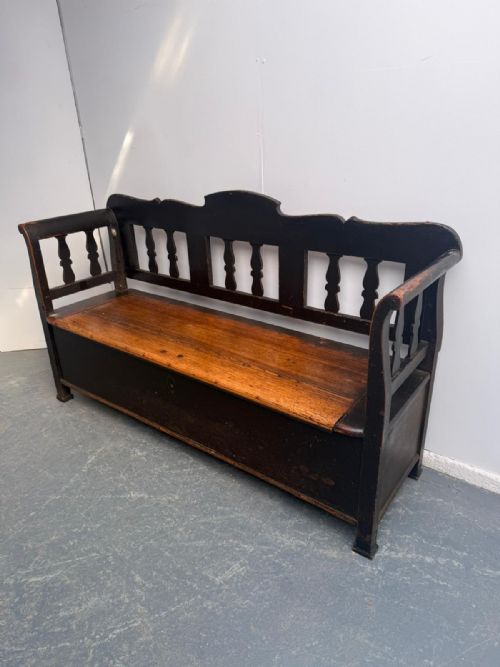
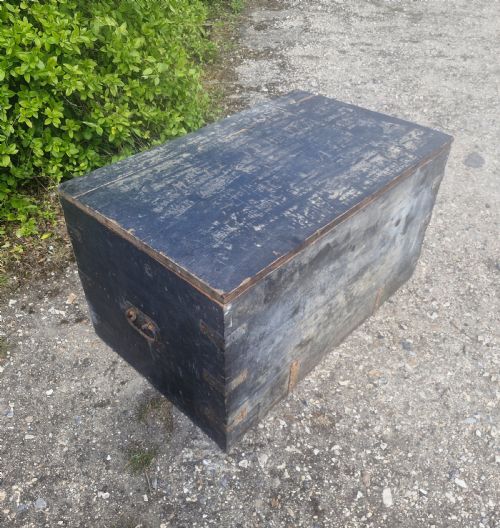
You are most likely to meet Scandinavian folk art boxes, maritime chests, and robust blanket boxes originating from the eighteenth, nineteenth, and early twentieth centuries. These pieces range from small cutlery boxes and oval containers to large campaign trunks and three-seater benches.
The aesthetic leans heavily toward rustic country, folk art, and industrial utility, where simple timber construction meets dark paint, soot ink, or ebonised surfaces. Each item reveals its working past through iron mounts, rope handles, and hand-brushed finishes.
Materials and construction
Makers constructed these pieces primarily from pine, selecting a softwood that was readily available, easy to work, and durable enough for daily service. Carpenters joined the boards using dovetail or rebate joints to ensure structural strength in travel trunks and stationary storage chests.
Iron, wrought iron, and brass provided essential reinforcement through hinges, strapwork, corner brackets, and handles designed to endure heavy handling at sea or on land. Surface finishes relied on paint, soot ink, and dark glazes applied over the timber to protect the wood and create the signature dark appearance.
Listings feature pine and iron as the primary materials, shaped into storage trunks, blanket boxes, benches, and caskets across eighteenth and nineteenth-century periods.
What separates the fine examples
Quality in these utility items lies in the integrity of the original construction and the preservation of authentic surface finishes. Pieces retaining their early paint layers, hand-forged ironwork, and untouched interior fittings stand apart from heavily restored or later painted examples.
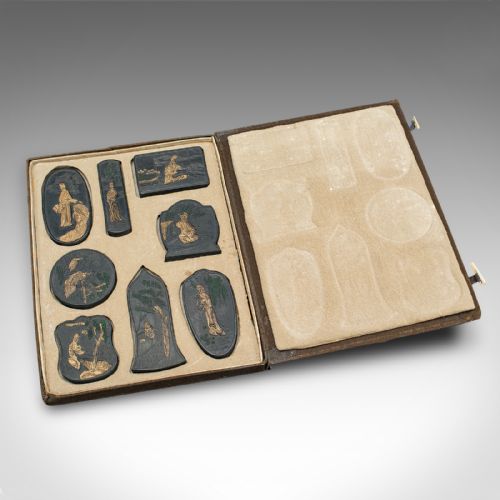
The refinement of the joinery and the presence of decorative folk art motifs, such as calligraphic details or marriage box inscriptions, elevate certain pieces beyond standard workshop output. Balance of proportions and the honest wear of age contribute to the distinction between basic utility containers and more collectible folk art items.
The Black Pine Box Glossary
- Campaign trunk
- A portable chest or box designed for military officers or travellers, typically fitted with recessed brass handles and reinforced corners for transit.
- Folk art
- Creative work produced within a traditional community culture, often featuring hand-painted decorations and practical forms without academic academic training.
- Strong box
- A secure container built with heavy timber and reinforced iron straps or locks to protect valuable documents and currency.
- Soot ink
- A traditional dark pigment derived from carbon soot, used historically for staining timber surfaces or for calligraphic blocks.
- Kist
- A regional term for a traditional wooden chest or box used for domestic storage, particularly common in Scottish and Scandinavian contexts.
Black Pine Box: Frequently Asked Questions
What were these boxes used for?
These containers served varied purposes ranging from maritime travel and military campaigns to domestic storage of blankets, cutlery, and personal documents. Many functioned as everyday furniture items, combining seating with enclosed storage in domestic or rural settings.
Larger chests accommodated shipboard gear or tools, while smaller boxes held household provisions or writing materials. Their sturdy construction ensured contents remained protected during transport and domestic use.
How do I clean a painted pine box?
Dust the surface gently with a soft, dry cloth to remove loose particles without disturbing old paint or dry finishes. Avoid liquid cleaners, modern detergents, or abrasive pads that can strip historic pigments from the pine timber.
If the wood requires conditioning, consult a specialist to apply appropriate microcrystalline wax sparingly. Preservation of the original surface patina remains the priority when maintaining antique pine.
How can I tell the age of a pine chest?
Examine the construction methods, tool marks on the timber, and the nature of the hardware such as hinges and locks. Hand-forged iron fittings and hand-sawn board edges generally indicate earlier production periods.
Wear patterns around handles and feet also reveal long periods of use. Compare these physical traits against known examples from specific stylistic eras like the Georgian or Victorian periods.
Where should I place a pine chest at home?
Position the chest away from direct sunlight and heat sources to prevent the pine timber from warping or splitting. Adequate airflow around the piece helps maintain stable humidity levels for the wood and any historic paint.
These pieces suit entryways, living rooms, or bedrooms where they provide functional storage alongside a strong decorative presence. Their modest depth often allows them to sit comfortably at the foot of a bed or along a hallway wall.