


Black Paper Portrait
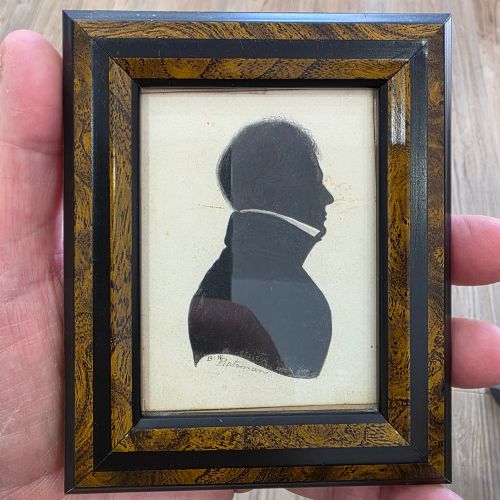
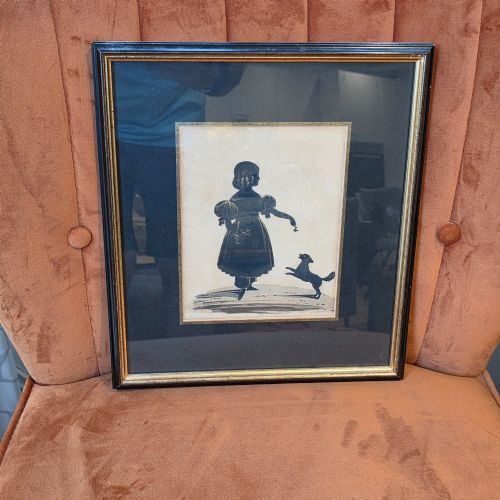
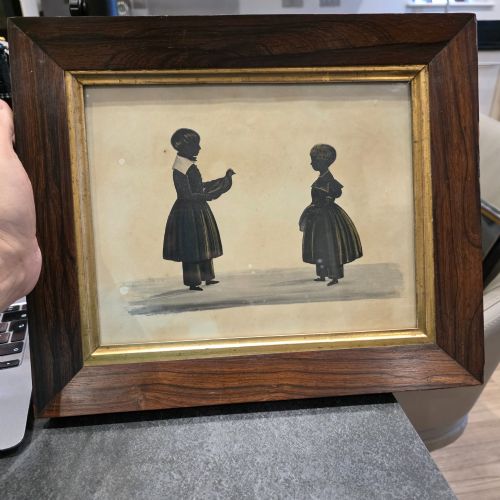
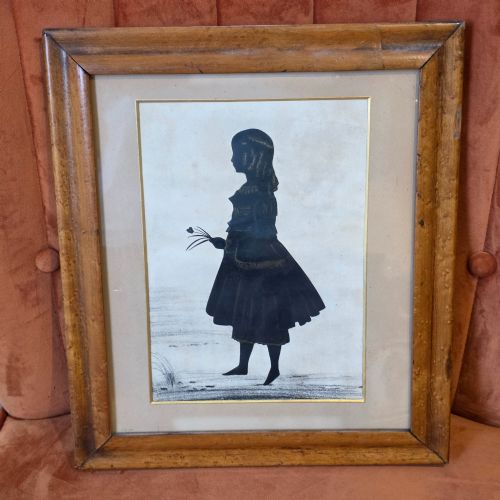
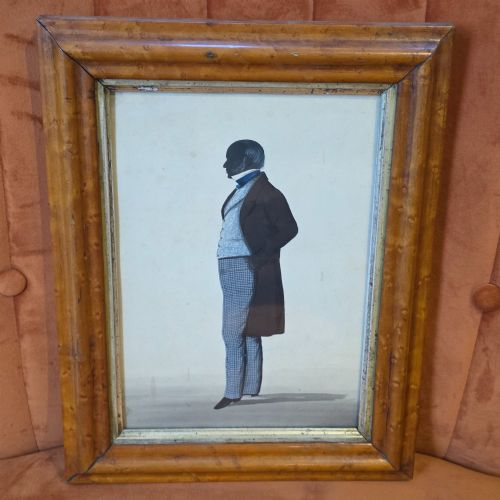
A black paper portrait captures the distinct profile of a sitter through precision cutting and silhouette work.
Black Paper Portrait
A black paper portrait typically presents a profile likeness cut from dark paper and mounted against a pale background, capturing character through outline alone. These pieces range from intimate Victorian mementos to larger framed works from the Regency period.
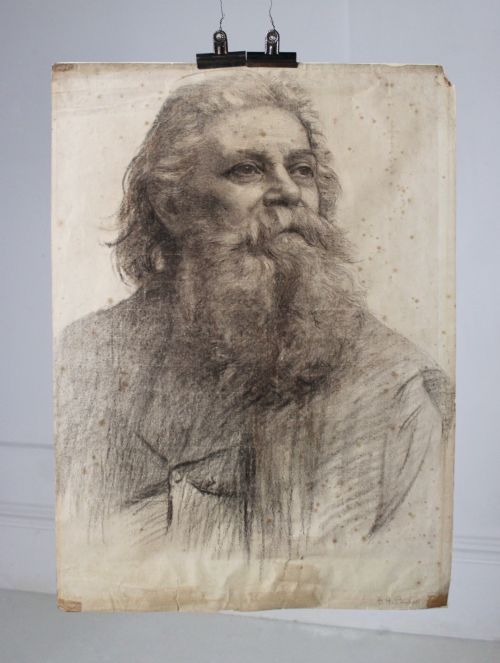
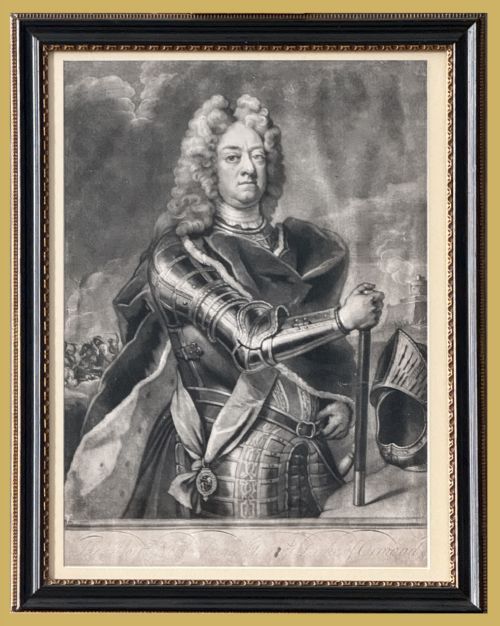
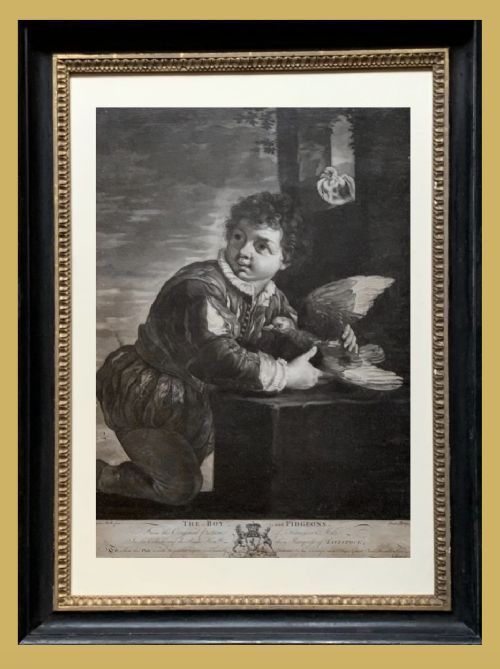
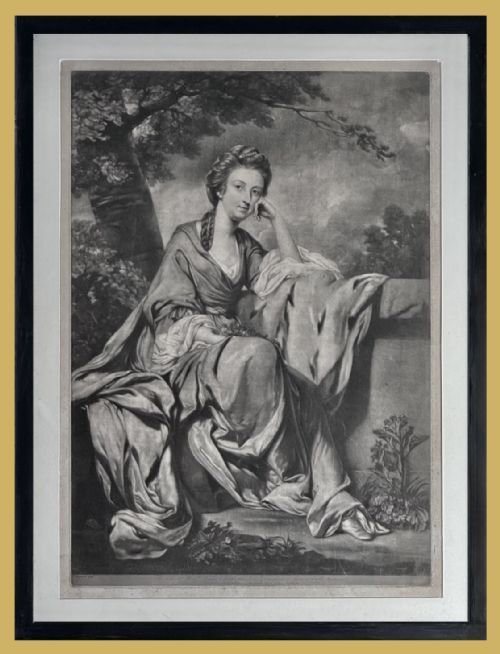
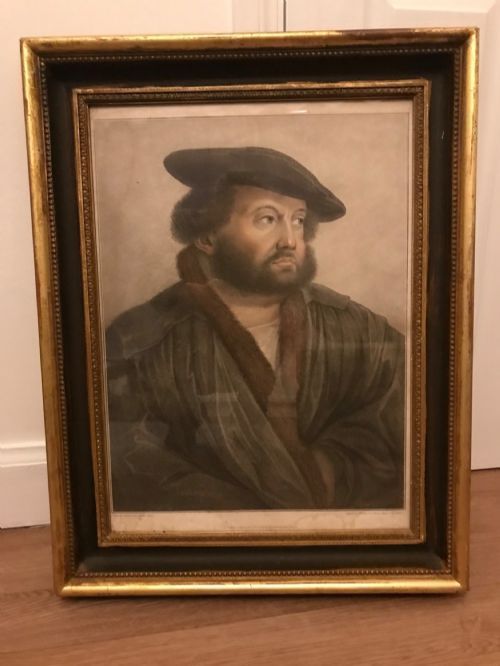
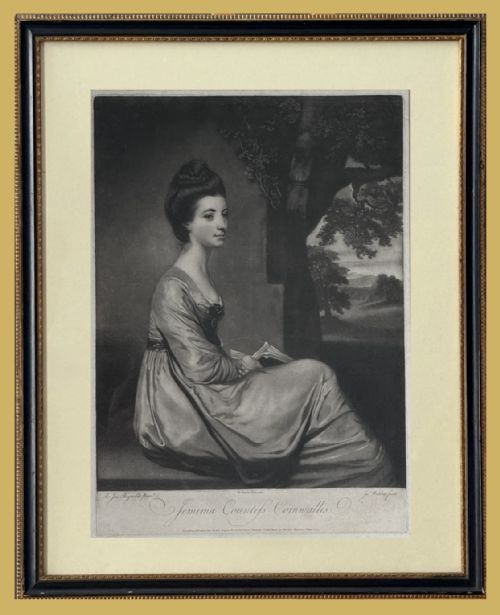
Buyers seeking this phrase encounter profile silhouettes alongside broader works on paper, including ink drawings, mezzotints, and engravings from the eighteenth and nineteenth centuries.
The material surface relies on the contrast between dark paper profiles and lighter backdrops, often housed behind glass within timber or papier-mâché frames.
Materials and Technique
Makers utilised dark paper and card, cutting freehand with scissors or specialised knives to achieve sharp profiles without preliminary sketching.
Ink, charcoal, and watercolour provide fine details such as hair strands or lace collars, while gold leafing often highlights clothing or border accents.
Framing typically involves wood or glass enclosures that protect the delicate paper surfaces from atmospheric moisture and dust.
Several profiles capture sitters alongside their pets, including dogs and birds immortalised in black paper.
Evaluating Quality and Execution
Quality rests in the precision of the cutting and the crispness of the profile edge, where confident lines distinguish skilled hands from amateur work.
The integration of secondary media, such as subtle watercolour washes or touches of gold leaf, elevates standard silhouettes into sophisticated portraits.
Condition plays a central role, with intact paper surfaces, minimal fading, and period-correct glass and framing preserving the integrity of the piece.
William James Hubard·Augustin Edouart·Francesco Bartolozzi·John Smith
The Black Paper Portrait Glossary
- Silhouette
- A likeness rendered as a solid shape, usually in black, showing the profile of a subject. This form gained widespread popularity in the eighteenth and nineteenth centuries before the invention of photography.
- Mezzotint
- A printmaking process where the copper plate is roughened to achieve rich tones and dark fields. This technique allows for subtle gradients and deep shadows well suited to portraiture.
- Papier-mâché
- A composite material made from paper pulp or layers of paper bound with glue, then moulded and lacquered. It frequently formed the sturdy frames for small Victorian silhouettes.
Black Paper Portrait: Frequently Asked Questions
How do I hang a silhouette?
Hang these works away from direct sunlight to prevent the paper and ink from fading over time. Utilise stable wall anchors suited to the weight of the timber or glass frames.
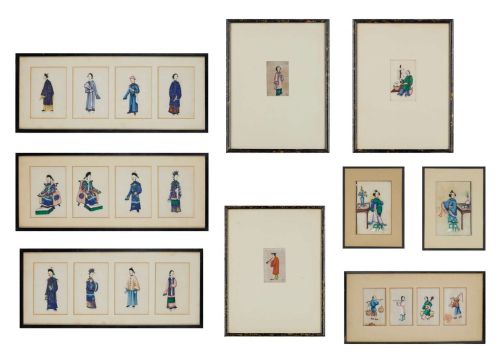
Grouping several pieces together creates a traditional gallery display reminiscent of period interior arrangements.
Were silhouettes used as gifts?
People commissioned these portable likenesses to exchange with family members or commemorate travels before photography became common. Their compact size made them practical keepsakes for travel or domestic display.
Artists often set up temporary studios in galleries or public spaces to produce rapid likenesses for patrons.
How do I date a silhouette?
Examine the framing materials, backing boards, and any handwritten notes left on the reverse of the paper. Regency examples often feature hollow-cut techniques with fabric backing, while later Victorian versions rely on painted highlights.
Clothing styles and hairstyles depicted in the profile also offer reliable clues to the decade of creation.
Are these works hand-cut?
Many historical examples feature freehand paper cutting executed with fine scissors or specialised knives. Skilled practitioners worked without stencils to capture immediate likenesses.
Printed reproductions and lithographs emerged later to meet broader commercial demand for portrait art.