


Black Mezzotint Print
A black mezzotint print delivers rich tonal depth and tonal gradation, capturing aristocratic portraits and historical scenes from past centuries.
Black Mezzotint Print
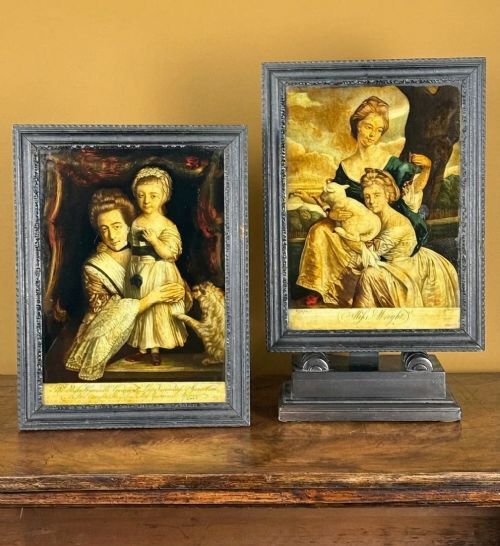
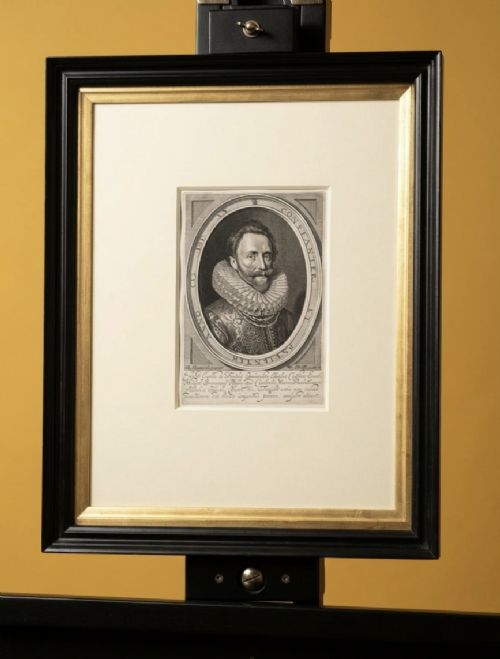
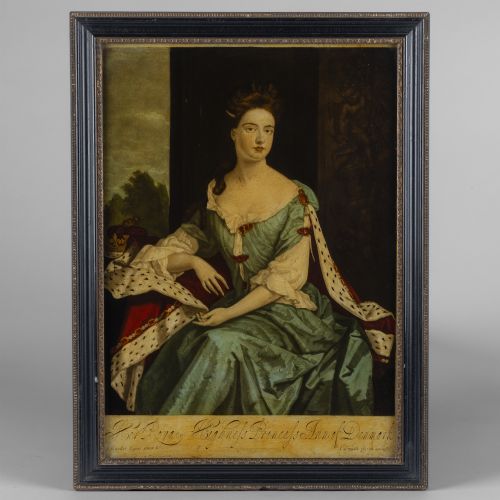
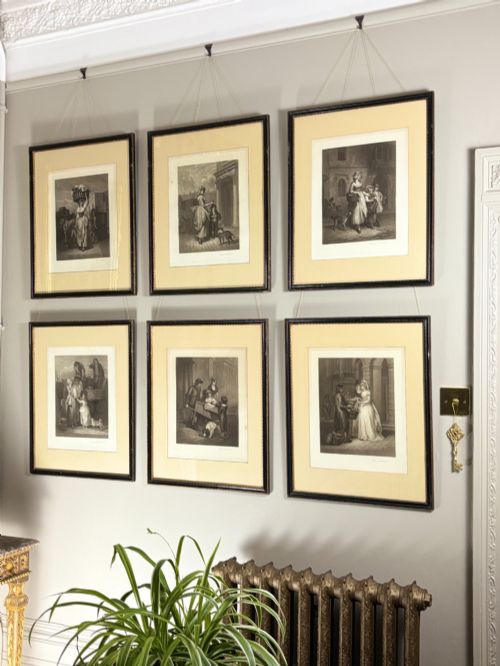
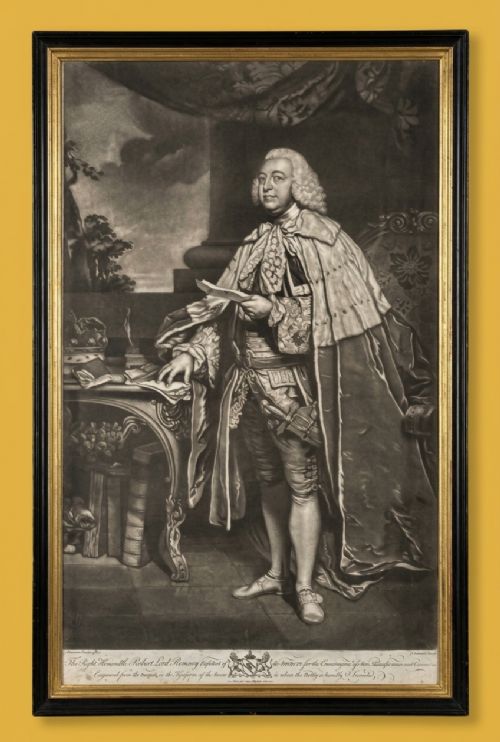
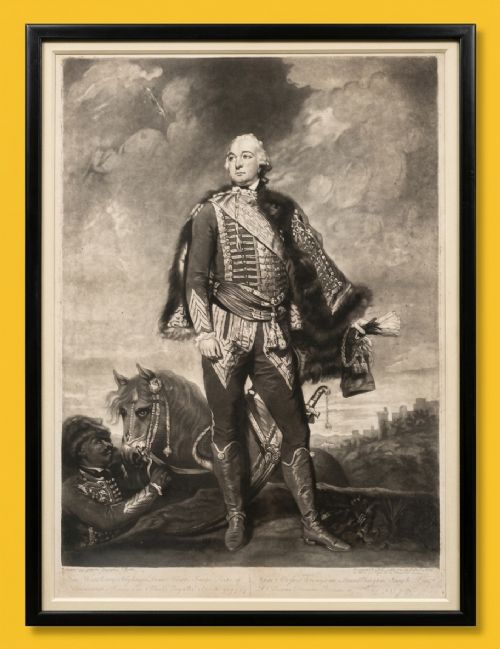
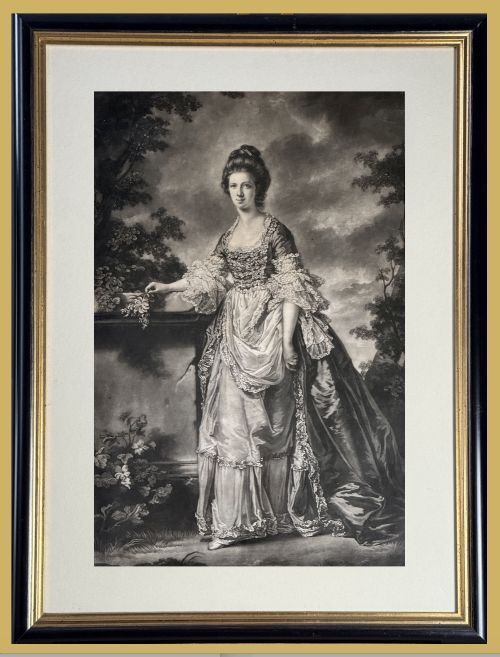
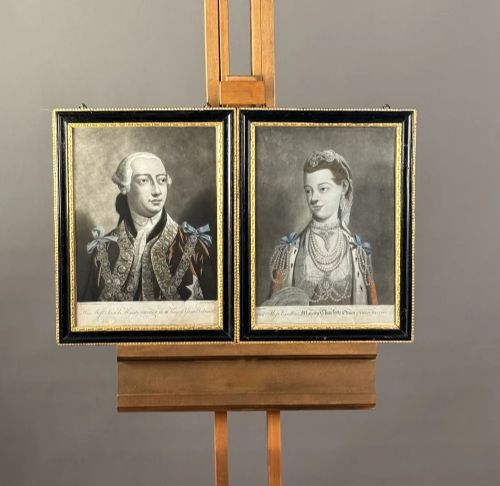
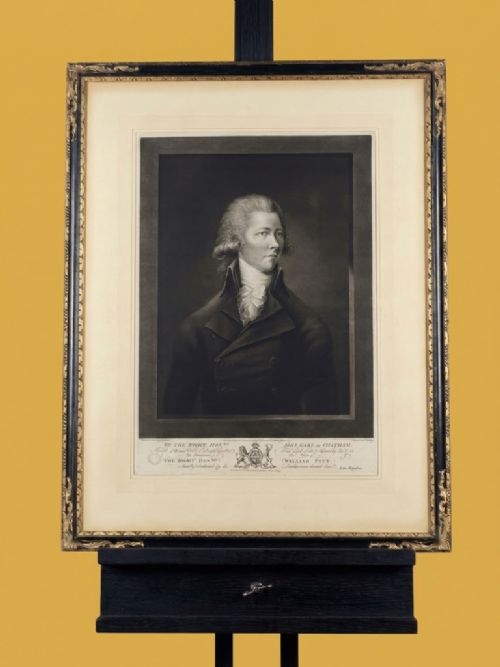
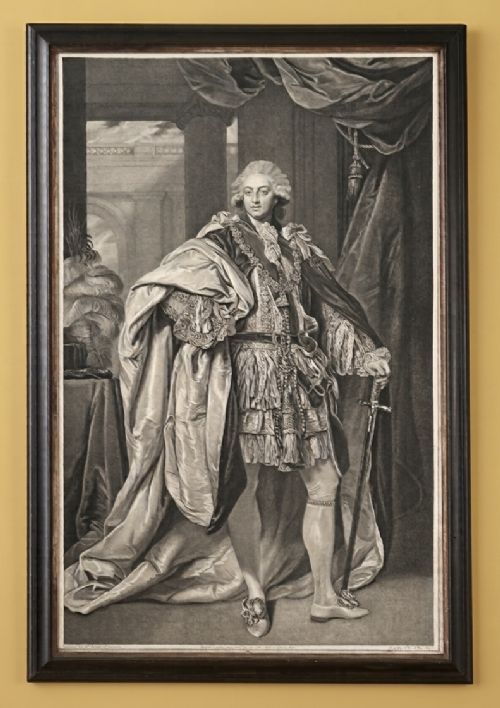
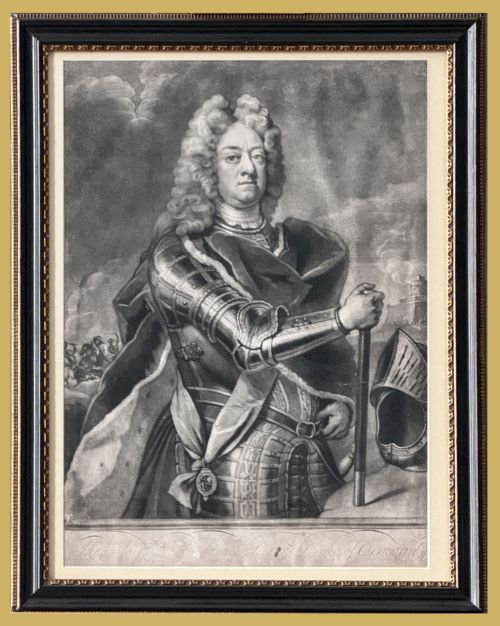
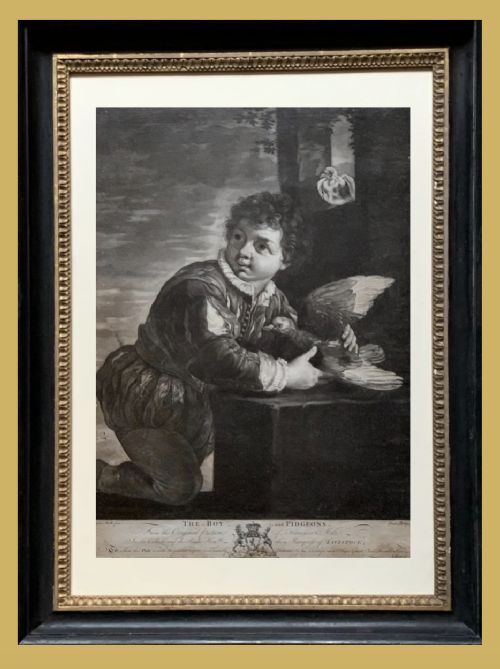
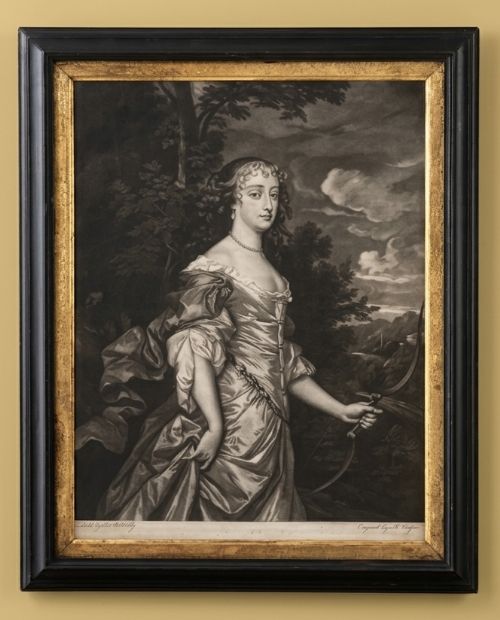
A black mezzotint print represents a specialised form of intaglio printmaking that developed significant popularity across the seventeenth, eighteenth, and nineteenth centuries. These works predominantly depict notable historical figures, royals, and nobility through detailed portraits originally painted by master artists. Collectors encounter framed wall art that preserves these dark, velvety impressions under glass within wooden and gilt frames.
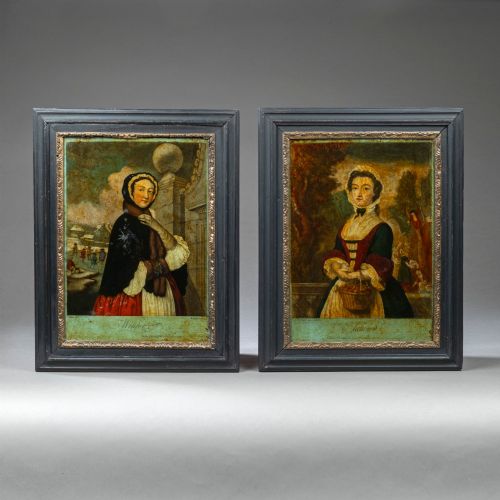
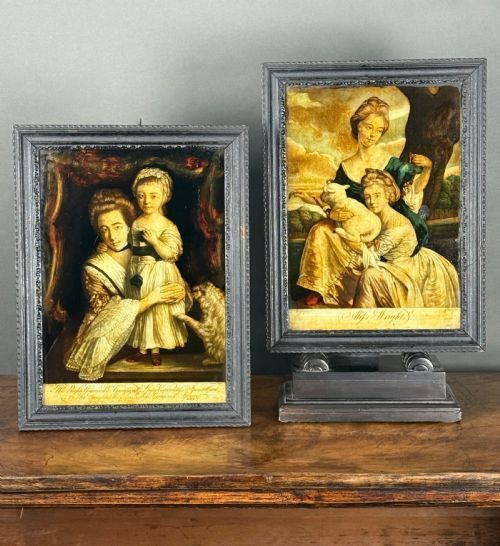
The selection available spans Georgian and Regency eras, alongside seventeenth-century Restoration pieces. Common subjects feature titled lords, duchesses, and military commanders rendered through intricate ink work on paper. Certain examples incorporate reverse glass techniques, applying pigments directly behind glass panels to achieve a luminous surface quality.
How They Were Made
Artisans prepared copper plates using a rocker to pit the entire surface with tiny burrs that would hold ink to print solid black. They then scraped and burnished areas back down to lighter shades, creating smooth gradients of tone rather than relying purely on line work.
Printers applied dark ink onto the textured copper matrix and pressed damp paper into the recesses using a rolling press. Finished sheets were trimmed, mounted, and housed behind glass, frequently secured within timber frames accented by gold leaf.
Black Mezzotint Print Retail Price Guide 2026
Typical asking prices for black mezzotint print among the pieces listed under this phrase on Sellingantiques today, from the lower quarter to the upper quarter. They describe what is for sale here now, not the wider market.
Listings span the seventeenth through the nineteenth centuries, incorporating paper, glass, ink, and gold leaf materials.
What Varies in Quality
The crispness of the tonal transition separates finer impressions from worn plates that have lost their delicate contrast. Early impressions pulled from the copper matrix before the burrs degraded show deep velvety blacks and subtle grey highlights.
The calibre of the original painter and the skill of the scraper dictate the artistic merit of the finished plate. Master printmakers translated oil paintings by renowned portraitists into rich monochrome sheets that retained the psychological depth of the sitter.
George Keating·John Smith·Thomas Frye·James Watson·John Jones·Thomas Watson·John Simon·Edward Fisher·John Boydell·Valentine Green·W Dickinson·John Faber Snr·James McArdell·Richard Houston·Robert Williams·James Ward
The Black Mezzotint Print Glossary
- Mezzotint
- An intaglio printmaking process where the copper plate is roughened uniformly to produce rich dark tones and smooth gradations of light. This technique allows for subtle shifts in shadow without relying on traditional etched lines.
- Intaglio
- A printing method where the ink sits below the surface of the plate within carved or pitted recesses. Damp paper is forced into these depressions under heavy pressure to transfer the image.
- Burnisher
- A rounded tool used by printmakers to smooth down the roughened burrs on a copper plate. Flattening these areas prevents ink retention, creating lighter tones and highlights in the final print.
- Reverse glass
- A technique where painting or printing is applied to the rear side of a glass panel to be viewed from the front. This method imparts a distinct gloss and luminosity to the artwork.
- Gilt wood
- Timber framing finished with a thin layer of gold leaf or metallic gilding. This traditional framing style enhances the visual weight of antique wall art.
Black Mezzotint Print: Frequently Asked Questions
What is a black mezzotint print?
A black mezzotint print is an intaglio engraving created by roughening a copper plate to hold ink, producing rich tones and shadows.
Artisans scraped the plate to create highlights, resulting in velvety portraits that were framed for display.
How do I care for framed prints?
Keep framed prints away from direct sunlight to prevent fading of the ink and discolouration of the paper support.
Maintain stable indoor humidity levels to protect the timber frames and the glass housing.
Who created these historical portraits?
Master printmakers engraved copper plates after oil paintings by celebrated artists of the seventeenth and eighteenth centuries.
These craftsmen worked closely with publishers to reproduce likenesses of monarchs, nobles, and public figures.
What periods do these pieces span?
The inventory encompasses works created during the seventeenth, eighteenth, and nineteenth centuries, spanning the Georgian and Regency eras.
Earlier pieces often reflect the Restoration style, while later examples capture Regency portraiture conventions.