


Black Japanned Tin
Black japanned tin objects bring useful storage and handsome hand-painted decoration into a room.
Black Japanned Tin
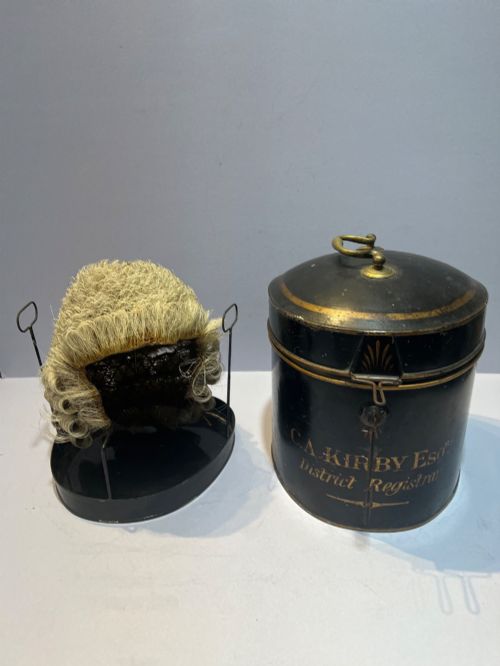
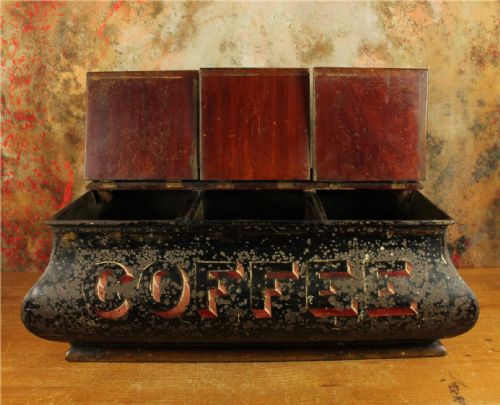
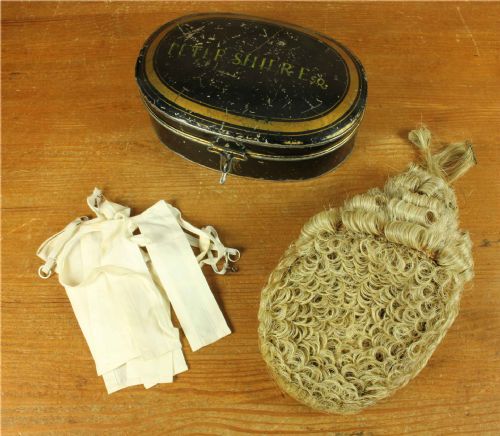
When you search for black japanned tin, you find a collection of practical household and legal containers made from metal and finished with dark gloss coatings. These items range from small spice boxes and tea canisters to large document tins and military hat boxes.
The pieces on this page stem mostly from the nineteenth century, including Georgian, Victorian, and William IV periods. Trays, storage boxes, and legal collectibles form the bulk of what is available.
Makers and decorators utilised traditional methods to produce functional items for offices, tea merchants, and military officers. Many survive with original painted highlights or gilt ornamentation intact.
Materials and Techniques
Craftsmen shaped tinplate and iron sheets into rigid boxes, trays, and cylindrical canisters before applying dark varnishes to simulate Asian lacquerware. This black japanning process protected the underlying metal from rust while creating a smooth, dark surface.
Painters then added decorative details using gold leaf and hand-mixed pigments, often depicting Chinoiserie scenes with figures, pavilions, and foliage. Brass handles, feet, and hinges were frequently attached to secure the lids and assist with lifting.
Listings feature nineteenth-century materials including painted tinplate, brass fittings, and gold leaf across items like legal boxes and tea canisters.
Assessing Quality
The standard of a piece depends heavily on the preservation of the painted surface and the crispness of any gilt decoration. Pontypool and similar regional workshops produced items with finer brushwork and more complex layering.
Structural integrity also plays a major role, as dented tinplate or heavily rusted iron detracts from the utility and visual weight of a storage box or tea canister. Complete sets and original brass furniture command greater attention from collectors.
Eade & Son·Ravenscroft Law·Hawkes & Co
The Black Japanned Tin Glossary
- Japanning
- A European imitation of East Asian lacquerwork created by applying successive coats of dark varnish and curing them under heat. This finish was widely applied to metal and wood objects during the eighteenth and nineteenth centuries.
- Toleware
- Painted or enamelled metalware, usually tinplate, produced in Britain and Europe for domestic use. The term covers everything from tea canisters to large serving trays.
- Chinoiserie
- The European interpretation and imitation of Chinese and East Asian artistic traditions, popular in decoration throughout the Georgian and Victorian eras. It frequently appears on japanned tea canisters and trays as gilt motifs.
- Tinplate
- Sheet iron or steel coated with a thin layer of tin to prevent corrosion. It served as the primary base metal for constructing boxes, canisters, and legal deed tins.
Black Japanned Tin: Frequently Asked Questions
What is black japanned tin?
Black japanned tin refers to metal objects coated in a dark, glossy varnish that imitates Asian lacquer. Artisans used this finish on household goods and office containers to provide durability and a polished appearance.
Items finished this way include tea canisters, document boxes, and decorative trays. The technique protected the iron or tinplate beneath from rust and wear.
How were toleware tea canisters used?
Tea canisters stored dry tea leaves in domestic kitchens and merchant shops. Their tight-fitting lids helped preserve the aroma and flavour of expensive imported teas.
Because tea was a valuable commodity, these containers were often decorative enough to sit on side tables or mantelpieces rather than stay hidden away.
How do I date a tin storage box?
Dating relies on observing the construction methods, handle styles, and decorative motifs used on the piece. Georgian and Regency examples often feature finer hand-painted Chinoiserie work, while later Victorian versions tend toward utilitarian legal storage.
Makers' marks or names stencilled onto legal deed boxes and wig tins also help narrow down the period of manufacture.
Can I use these boxes for daily storage?
These metal boxes remain entirely suitable for holding small household items, letters, or dry goods today. Their sturdy construction makes them practical for organising desk spaces or shelves.
Care should be taken to keep them away from excessive moisture to protect the historic painted surfaces and any exposed metal.