





Black Japanned Box
A black japanned box brings dark, polished lacquer and metallic sheen into a room, offering historic storage for documents, tea, or trinkets.
Black Japanned Box
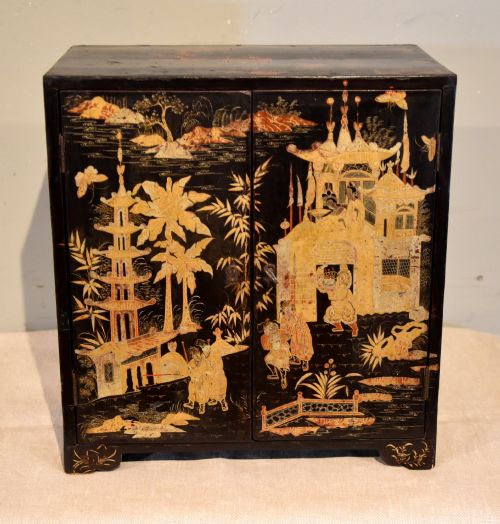
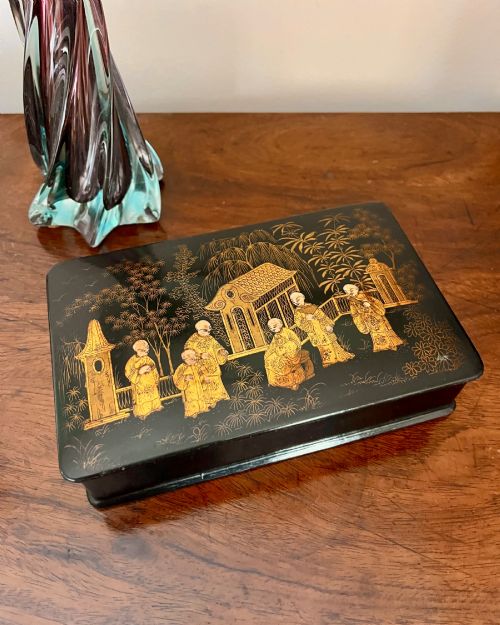
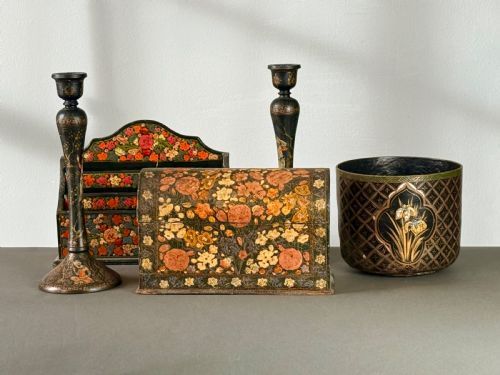
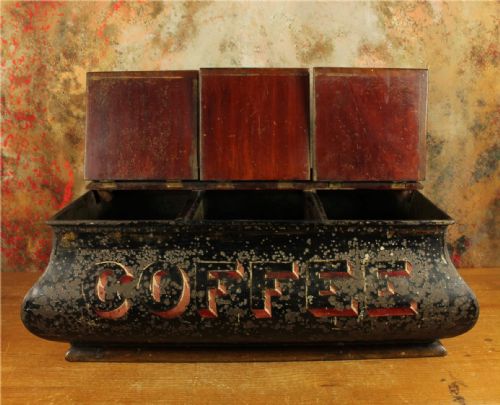
When you search for a black japanned box, you encounter pieces spanning from the early 18th century through to the 1930s, reflecting varied domestic and official uses. The selection on this page includes tea caddies, desk accessories, storage boxes, and legal containers.
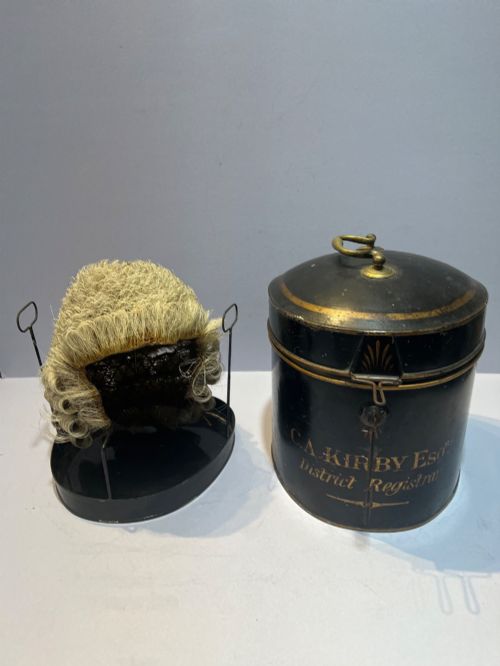
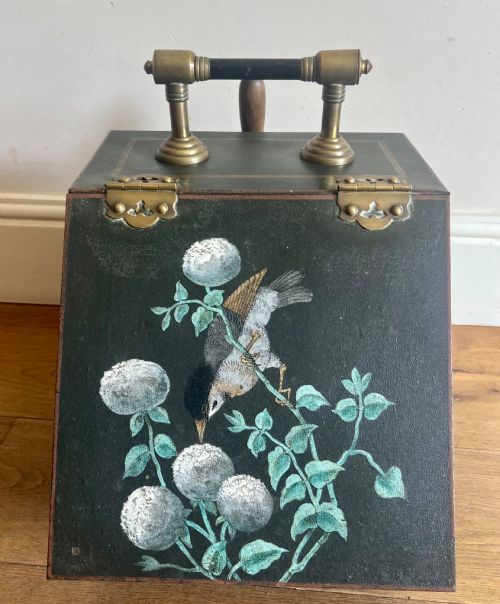
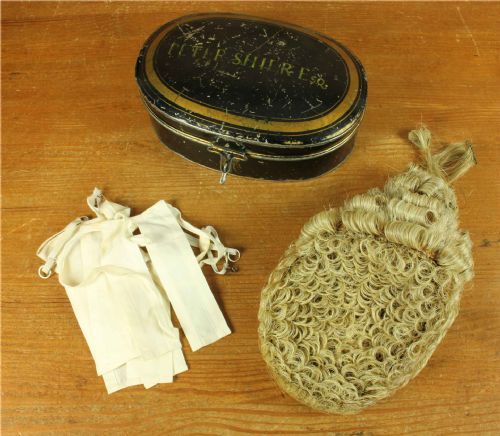
Victorian and 19th-century examples dominate the offerings, often taking the form of painted metal toleware, papier-mâché, or lacquered wood. You also find specialised forms such as wig cases, coal boxes, and table cabinets.
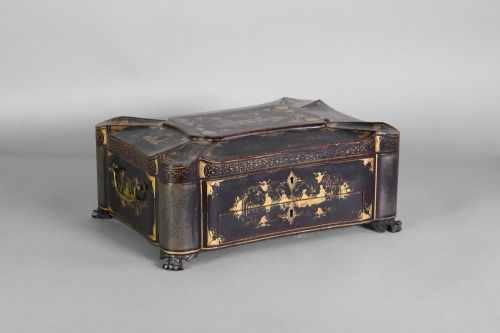
Stylistically, these items cross several traditions, encompassing Chinoiserie decoration, folk art barge ware, military utility, and Regency penwork. Each object demonstrates how black lacquer and japanning served both grand drawing rooms and practical offices.
What Varies in Quality
Quality rests in the depth and preservation of the japanning or lacquer finish, alongside the crispness of any gold leaf detailing. Hand-painted Chinoiserie scenes and delicate penwork indicate a higher tier of craftsmanship than plain utility containers.
The choice of underlying material also dictates the standard, with solid wood cabinets and finely formed papier-mâché stationery boxes sitting above utilitarian tin or painted metal items. Intact original brass fittings and functioning locks distinguish superior examples.
Black Japanned Box Retail Price Guide 2026
Typical asking prices for black japanned box among the pieces listed under this phrase on Sellingantiques today, from the lower quarter to the upper quarter. They describe what is for sale here now, not the wider market.
Listings feature items from the 18th century through to the 1930s, utilising materials including wood, brass, lacquer, tin, and horsehair.
Eade And Son·Ravenscroft Law·Peter Shier·Hawkes And Co London
The Black Japanned Box Glossary
- Japanning
- European imitation of East Asian lacquerwork, created by applying layers of varnish and resin and heating them to a hard finish. This technique produced the characteristic dark, glossy surfaces seen on furniture and boxes.
- Toleware
- Painted or lacquered metalware, typically tin or sheet iron, produced in Europe and America from the 18th through the 20th centuries. It frequently served practical household and office functions.
- Penwork
- A decorative technique using fine ink lines, often enhanced with watercolour and varnish, to create intricate surface designs. It appears on Regency items such as tea caddies.
- Papier-mâché
- A composite material made from paper pulp or layers of paper bonded with glue, then moulded and dried. It formed a smooth base for lacquer and paint in Victorian stationery boxes.
Black Japanned Box: Frequently Asked Questions
What is a black japanned box used for?
These boxes served varied purposes across different centuries, ranging from storing precious tea leaves to holding legal documents, wigs, and correspondence. Their robust construction made them suitable for both domestic display and professional office use.
Today, they function well on desks, sideboards, or dressing tables to conceal modern clutter while adding historical texture to a room. Their dark surfaces anchor brighter interior colour schemes effectively.
How do I care for antique lacquer?
Keep these pieces away from direct sunlight and steady heat sources, which can cause the dark lacquer or japanned finish to crack or fade. Dust them gently with a soft, dry cloth without applying modern chemical polishes.
Handling them with clean hands prevents natural oils from degrading the surface over time. Maintaining stable indoor humidity protects the underlying wood, metal, or papier-mâché from warping.
Are toleware boxes the same as japanned wood?
Toleware utilises a metal base, usually tin or sheet iron, which is then painted and varnished, whereas traditional japanned pieces are typically built on wood or papier-mâché. Both employ layered finishing techniques to achieve a dark, glossy appearance.
While metal toleware often served more utilitarian or military functions, wooden japanned boxes frequently graced formal living spaces. Both share the characteristic durability of early protective coatings.
How can I tell the period of a box?
Dating relies on examining the construction materials, hinge types, and stylistic cues such as Regency penwork or Victorian Chinoiserie motifs. Finer details like hand-forged brassware or paper linings often point toward earlier 18th-century origins.
Later 19th- and early 20th-century pieces tend to use standardised metal fasteners and simpler industrial manufacturing methods. Comparing the form to documented examples helps confirm the era of production.