






Black Iron Umbrella Rack
A black iron umbrella rack is a practical hallway staple, offering robust utility and distinct period character for wet coats and walking sticks.
Black Iron Umbrella Rack
A black iron umbrella rack is a substantial hallway furnishing designed to hold walking sticks, canes and wet umbrellas upright. These pieces serve as both functional entry furniture and decorative accents.
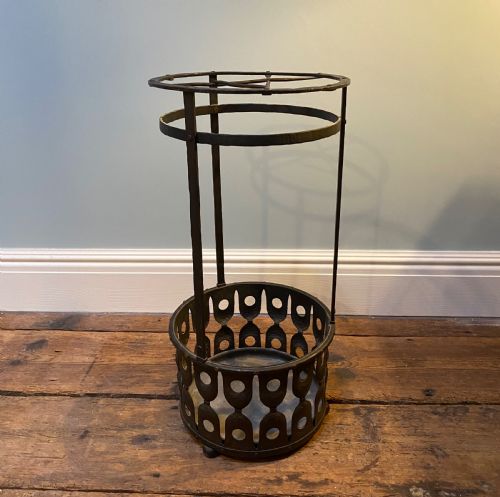
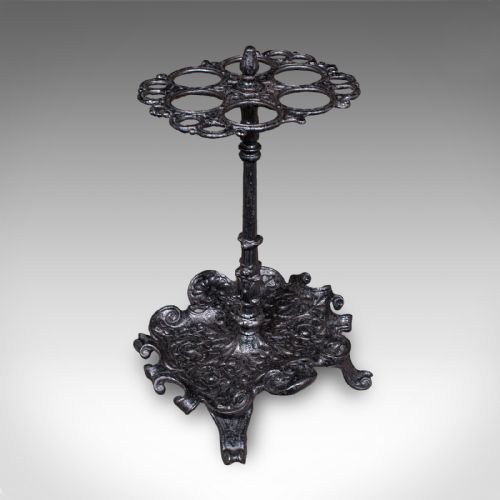
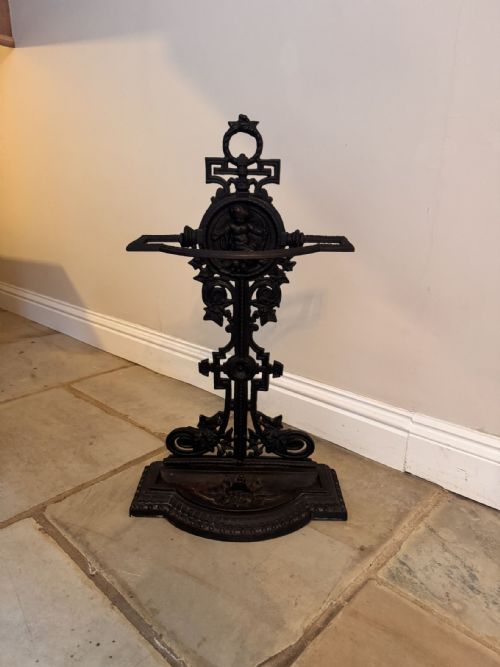
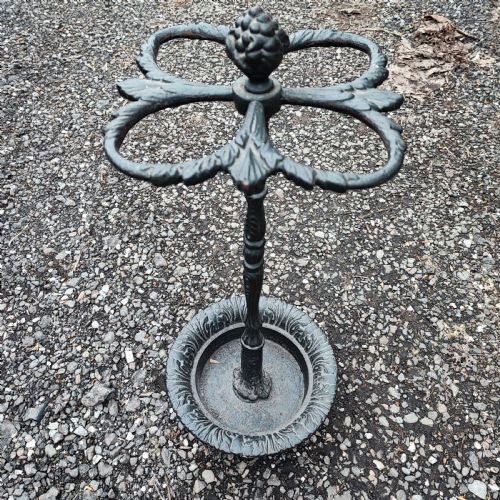
The versions most commonly met on this page date from the nineteenth century and the Victorian era, rendered in heavy cast iron. They often feature multiple divisions or rings to keep sticks separated.
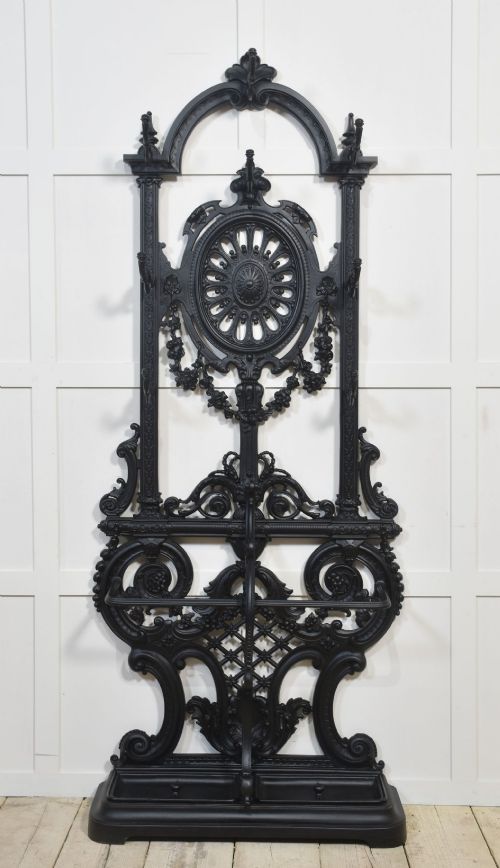
Many examples take the form of dedicated umbrella and stick stands, whilst larger specimens incorporate hat and coat hooks into integrated hall stands.
Construction and Materials
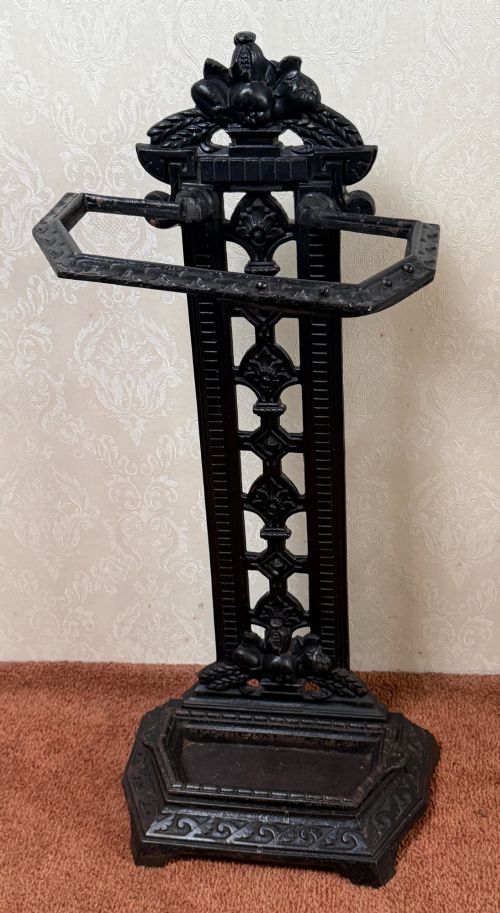
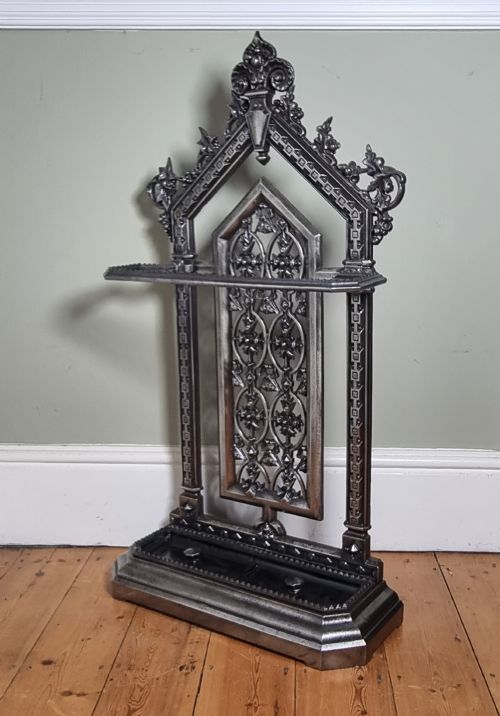
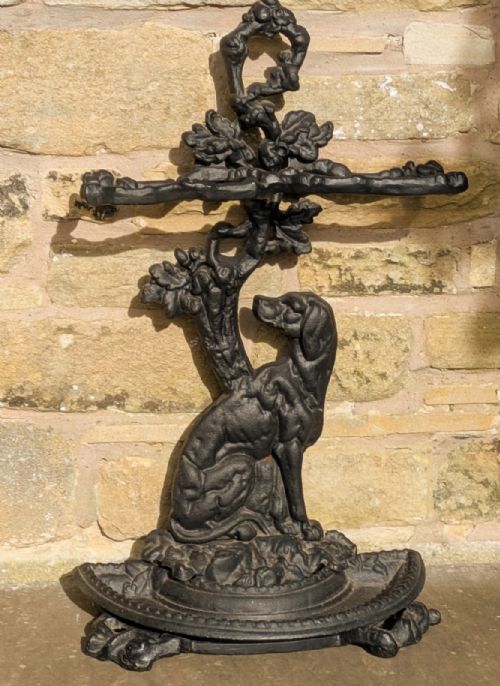
Foundries utilised cast iron poured into intricate moulds to achieve the ornate openwork grilles and decorative figures seen on these stands. Wrought iron and tubular metal also appear in later designs.
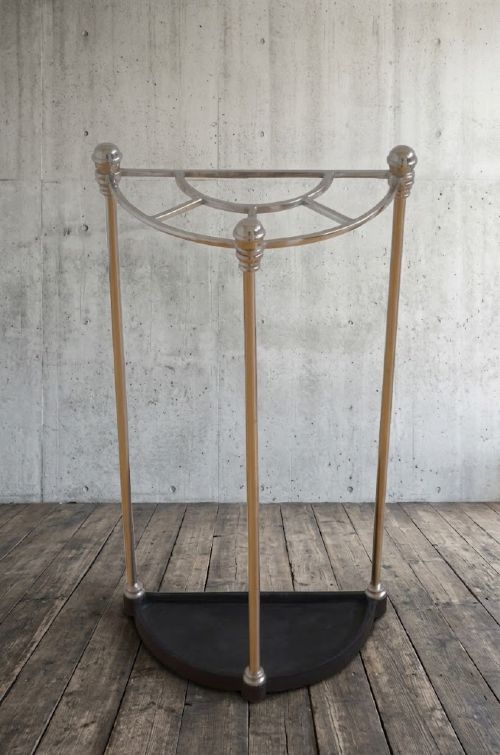
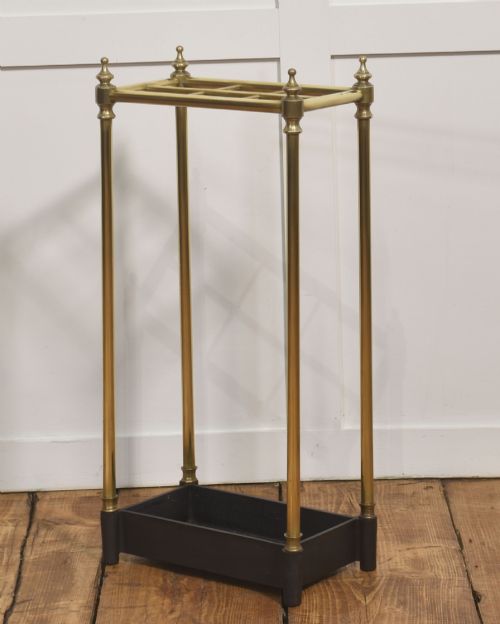
Makers often applied a dark protective paint finish to the ironwork, whilst some pieces incorporate brass fittings, nickel plating or glass components for added contrast.
Integral drip trays made from metal or marble sit at the base to catch rainwater, protecting hallway floors from moisture.
Black Iron Umbrella Rack Retail Price Guide 2026
Typical asking prices for black iron umbrella rack among the pieces listed under this phrase on Sellingantiques today, from the lower quarter to the upper quarter. They describe what is for sale here now, not the wider market.
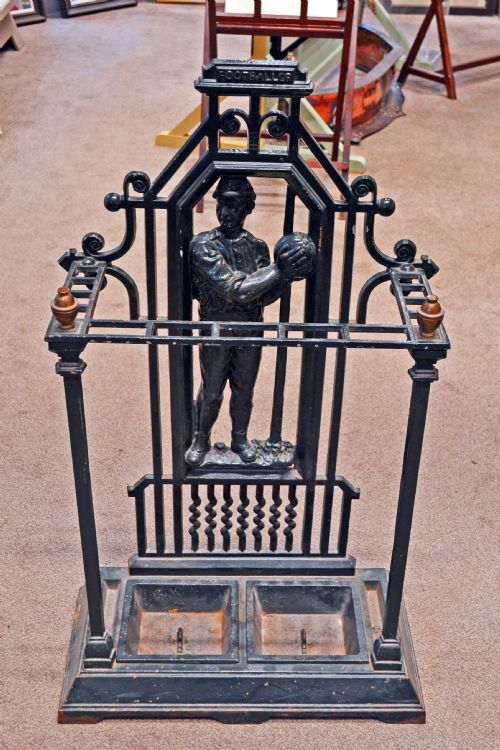
Among the nineteenth-century ironwork, a footballer and Jack and the Beanstalk stand ready to guard your walking sticks.
Grading Quality
Quality depends upon the crispness of the casting and the complexity of the design, with sculptural figures or detailed pierced scrollwork marking out superior examples. Plain utility stands sit at the simpler end of the scale.
The presence of maker marks, foundry stamps or specific registry dates elevates an object's interest for a collector. The integration of auxiliary materials like marble bases or nickel plating also changes the character.
Coalbrookdale·Kenrick·Falkirk Foundry
The Black Iron Umbrella Rack Glossary
- Cast iron
- A strong, hard alloy of iron and carbon poured into moulds to create complex decorative patterns. This material forms the primary structure for the majority of these hallway stands.
- Demi-lune
- A half-moon shape used for the footprint of certain stands designed to sit flat against a wall. This profile saves floor space in narrow hallways.
- Drip tray
- A shallow basin situated at the foot of the rack to collect water from wet umbrellas. These are often removable for easy emptying and cleaning.
- Hall stand
- A larger piece of entrance furniture combining an umbrella rack with coat hooks, hat pegs and frequently a mirror. These dominate the hallway with architectural presence.
- Stick stand
- An alternative term for an umbrella rack, often emphasising its suitability for walking canes and country pursuits. The two terms appear interchangeably in period listings.
Black Iron Umbrella Rack: Frequently Asked Questions
Where should I place an umbrella rack?
Position your rack in the main entrance hall or porch where household members and guests arrive with wet coats and walking sticks.
Ensure there is enough clearance around the piece for damp items to dry without touching surrounding wallpaper or furniture.
How do I clean cast iron safely?
Dust the ironwork regularly with a soft brush and wipe occasionally with a slightly damp cloth to remove surface grime.
Avoid harsh chemical cleaners that can strip the protective dark finish or encourage rust development.
Do these stands damage stone floors?
Heavy iron stands can scratch delicate stone or wooden flooring if dragged across the surface when repositioned.
Fit small discreet protective pads beneath the base if you have concerns about vulnerable floor materials.
How do I date a cast iron stand?
Examine the base or underside for registry numbers, foundry stamps or maker names that link the piece to specific production years.
Stylistic cues such as Gothic Revival motifs or Aesthetic Movement geometry also point towards specific decades in the nineteenth century.