

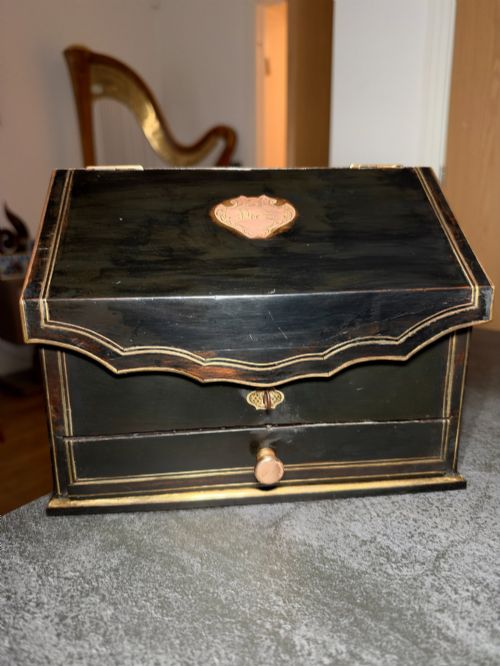
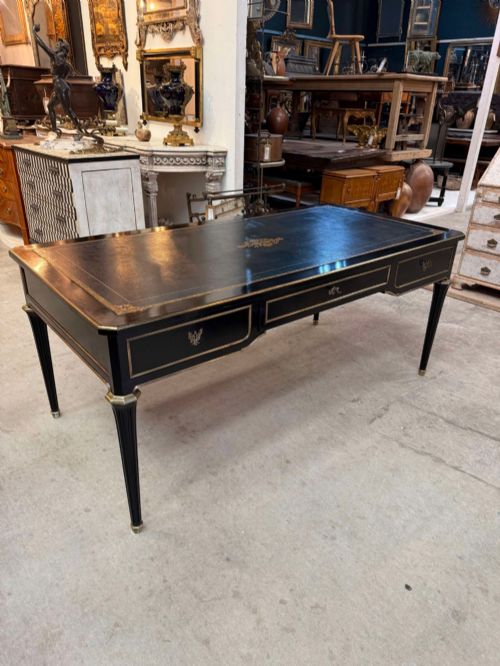
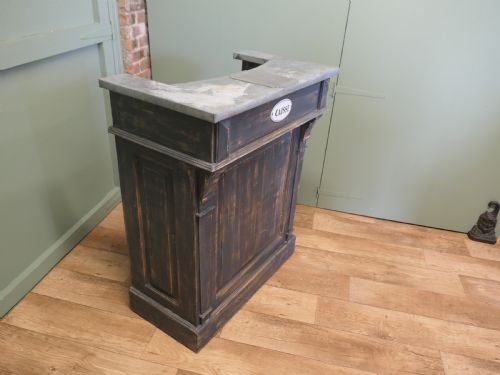
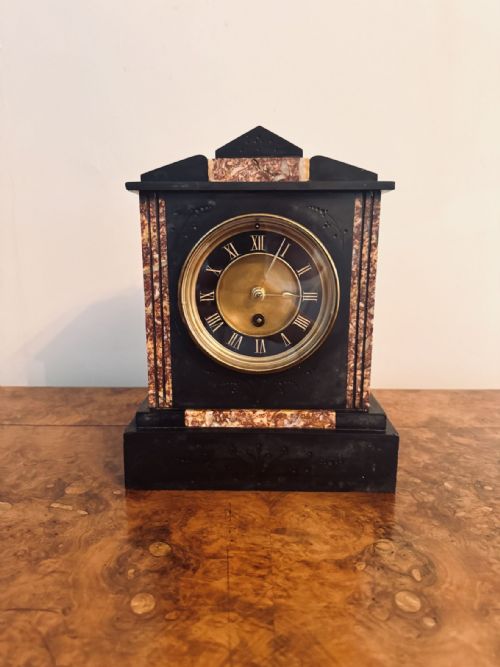

Black French Desk
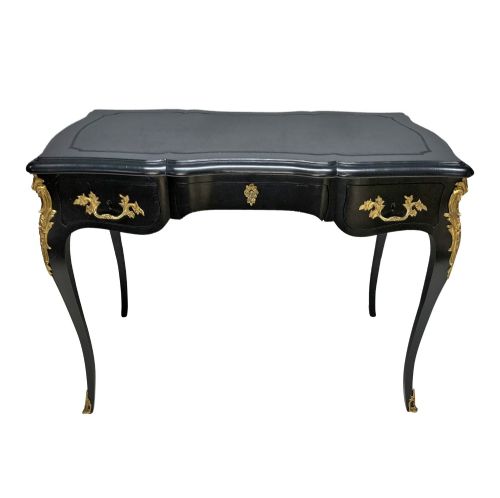
A black french desk brings dark elegance and refined utility into a room, combining rich ebonised timber with traditional continental form.
Black French Desk
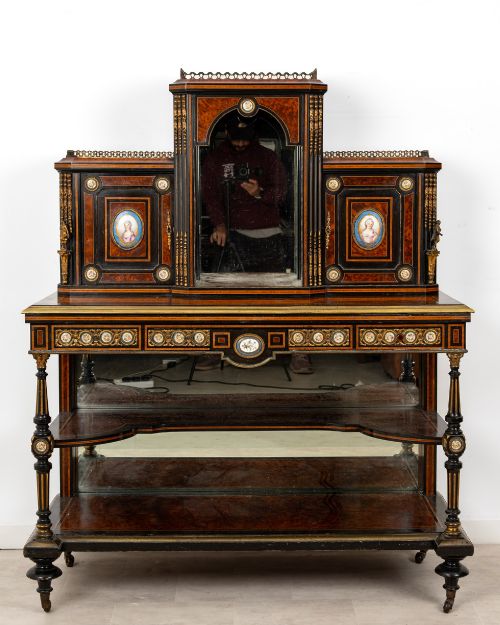
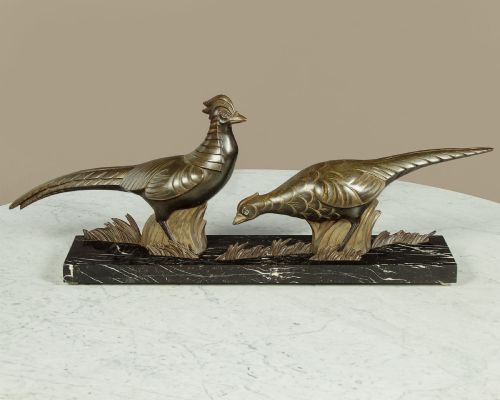
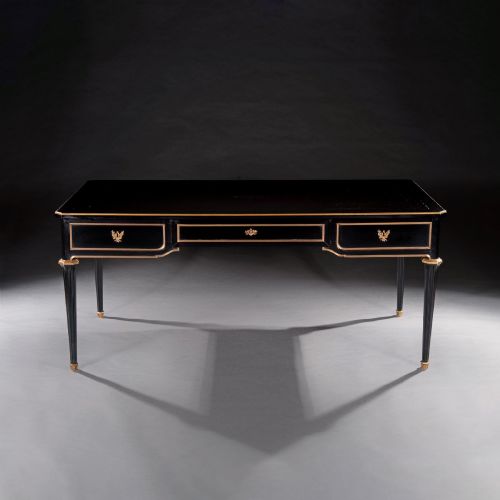
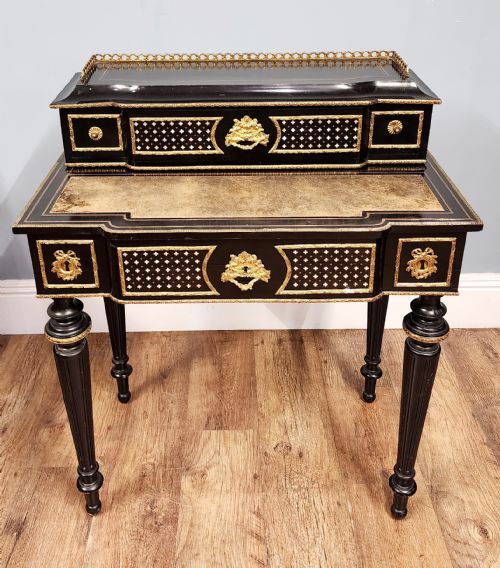
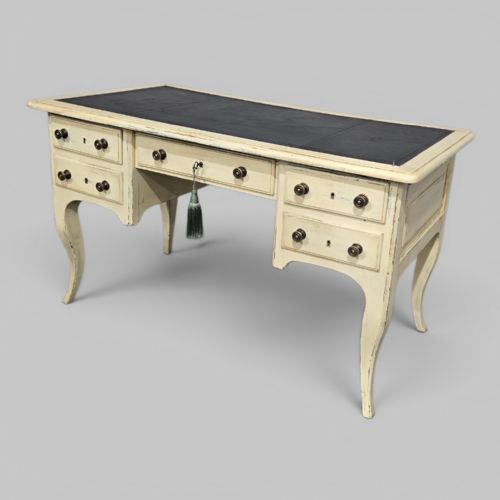
A black french desk encompasses writing tables, bureau plat forms and bonheur du jour pieces originating from nineteenth century periods through to the art deco era. Buyers searching this phrase meet ebonised wood surfaces, gilt bronze mounts and contrasting leather writing inserts.
The selections span nineteenth century empire designs and napoleon iii styles alongside art deco interpretations. These items reflect classical continental craftsmanship adapted for formal studies and grand sitting rooms.
How they were made
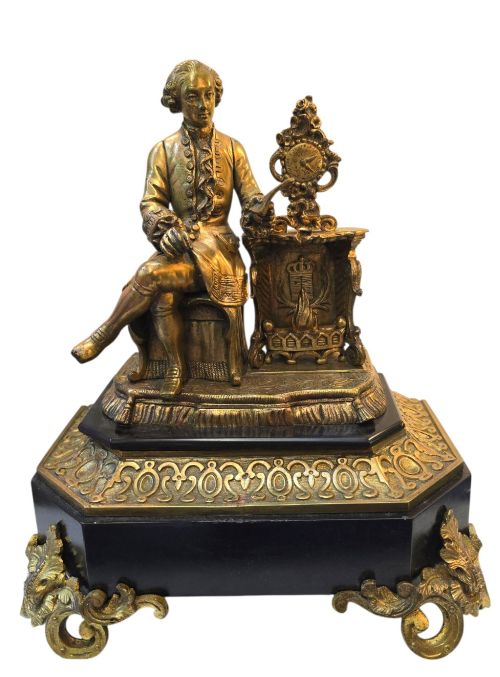
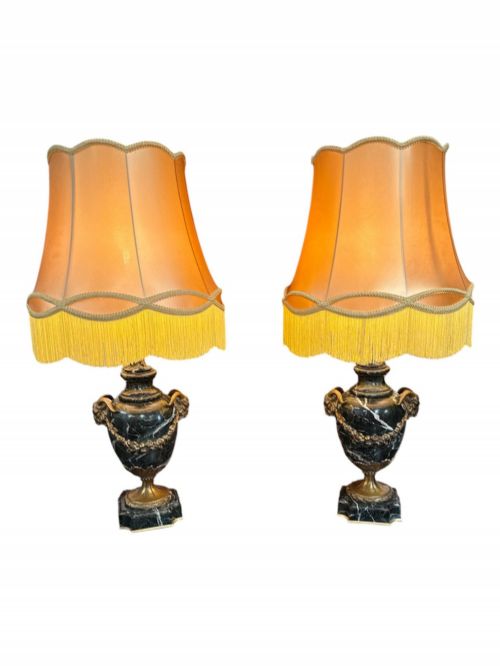
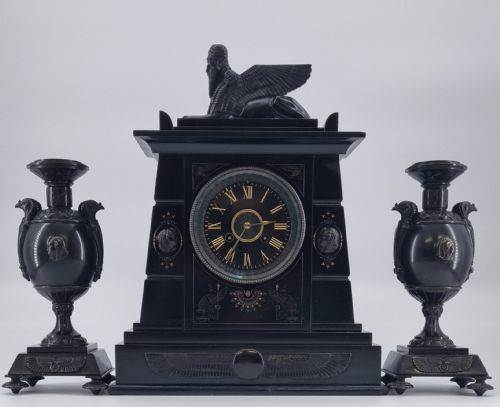
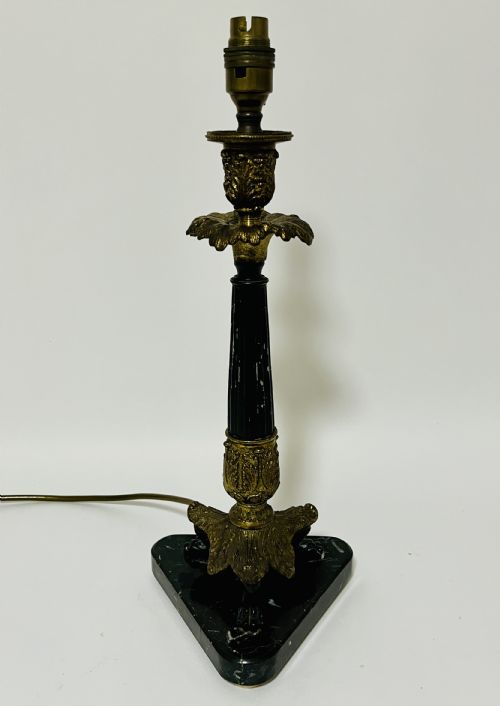
Construction relies on ebonised timber carcasses paired with decorative brass, ormolu and gilt bronze mounts. Artisans applied polished leather panels to writing surfaces and incorporated marble elements into related garnitures and clocks.
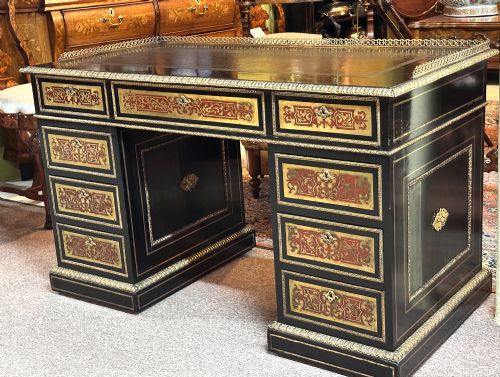
Surface ornamentation utilises traditional boulle work techniques, intricate marquetry and fine brass inlay alongside painted finishes. Metal components are cast in bronze and brass, then finished with gilding or patination.
Black French Desk Retail Price Guide 2026
Typical asking prices for black french desk among the pieces listed under this phrase on Sellingantiques today, from the lower quarter to the upper quarter. They describe what is for sale here now, not the wider market.
Materials recorded across the inventory include ebonised wood, ormolu, gilt bronze, marble, leather and brass.
What varies in quality
Quality rests in the precision of the cabinetwork and the crispness of the cast bronze or ormolu mounts. Superior pieces display finely chiseled details on metal fittings and seamless integration of inlaid materials into the ebonised wood.
The integrity of the structural joinery and the preservation of original leather writing surfaces dictate the standing of an individual table. Finer examples maintain crisp patination across both the timber frame and the decorative hardware.
Maison Millet·Baby and Jannings·D. Munsey
The Black French Desk Glossary
- Bureau plat
- A freestanding flat top writing table fitted with drawers across the frieze. These tables typically feature leather inset writing surfaces and decorative metal mounts.
- Bonheur du jour
- A light lady writing desk featuring a small cabinet or set of drawers superstructure above the main writing surface. This form gained popularity during the nineteenth century.
- Ormolu
- Gilt bronze ornamentation applied to furniture and decorative objects. The technique involves creating a finely chased bronze mount coated in a layer of gold.
- Ebonised wood
- Timber treated to imitate ebony through staining or painting processes. This dark finish provides a stark contrast against gilt metal mounts.
- Boulle work
- A form of marquetry utilising tortoiseshell and brass inlay developed in France. This decorative technique adorns luxury cabinetwork.
Black French Desk: Frequently Asked Questions
What is a bureau plat?
A bureau plat is a traditional freestanding writing table featuring a flat top and frieze drawers. It is designed to sit in the centre of a room rather than against a wall.
These tables often incorporate leather writing inserts and decorative metal mounts along the edges and legs.
How do I identify ebonised wood?
Ebonised wood is timber that has been stained or painted to achieve a deep black colour resembling ebony. It was widely used in nineteenth century French furniture.
Under close inspection, the underlying grain of the wood may still be faintly visible beneath the dark finish.
Where did these desks originate?
These pieces originate from French design traditions spanning the nineteenth century and the art deco period. Makers in France produced them for formal interiors and grand residences.
Similar styles were also influenced by classical revival movements such as the empire and napoleon iii periods.
How do I care for leather top desks?
Leather writing surfaces require gentle cleaning with a dry or slightly damp cloth to prevent drying and cracking. Avoid using harsh chemical solvents on the leather or the surrounding ebonised wood.
Maintaining a stable room temperature helps protect both the leather insert and the underlying timber frame from warping.