
Black Framed Art
When you search for black framed art, you encounter centuries of historic portraiture, silhouettes, and prints enclosed in dark wood or gilded borders.
Black Framed Art
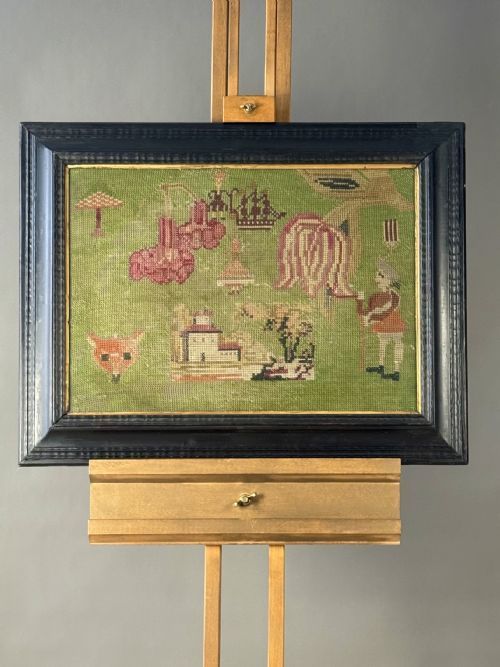
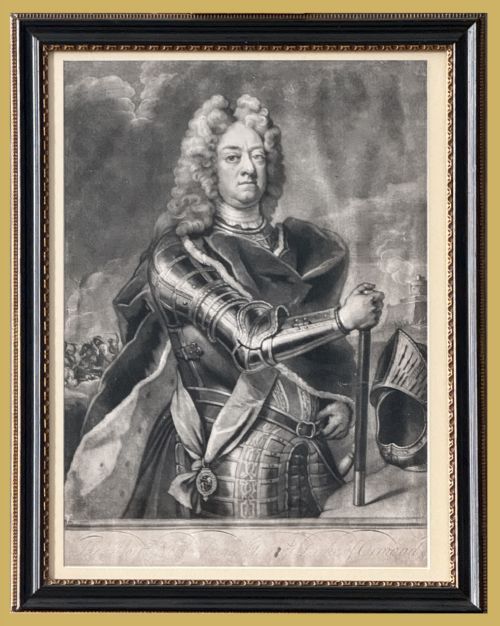
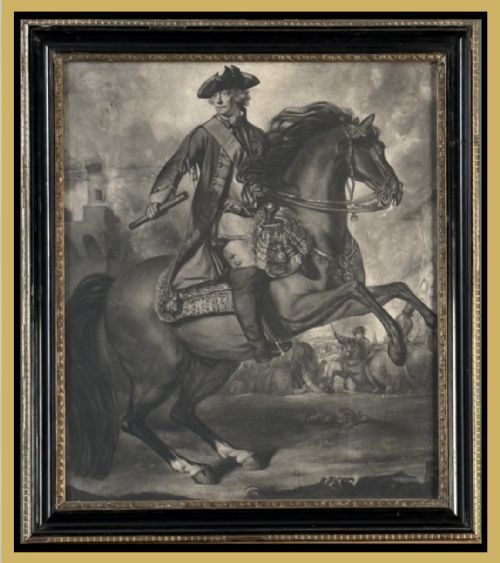
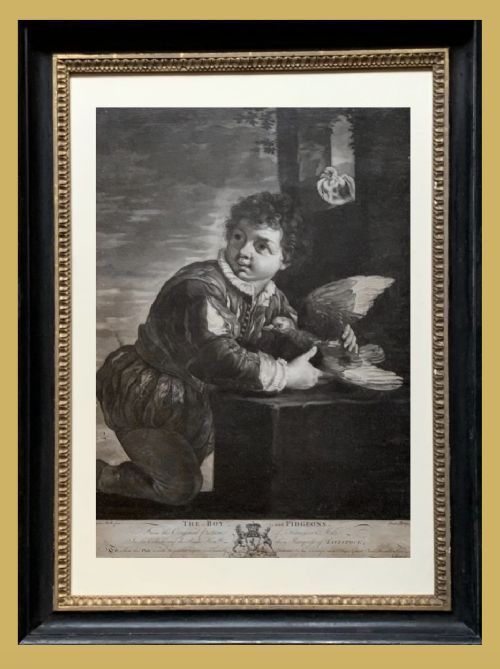
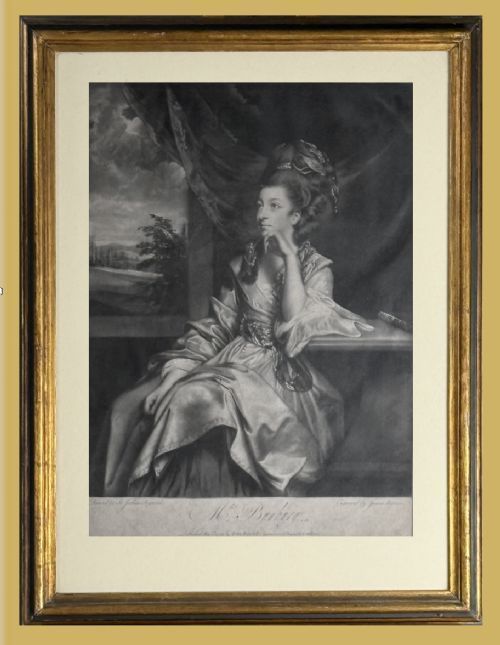
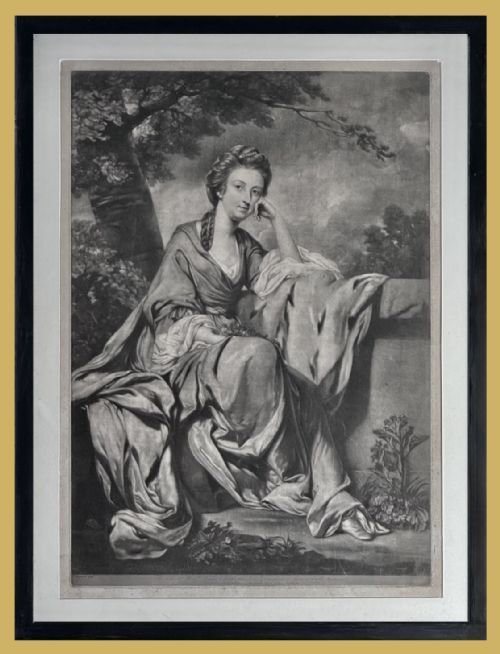
The category of black framed art encompasses historical works on paper, canvas, and glass, spanning from the seventeenth century through the twentieth century. These pieces predominantly feature portraiture, including mezzotints, silhouettes, and oil paintings.
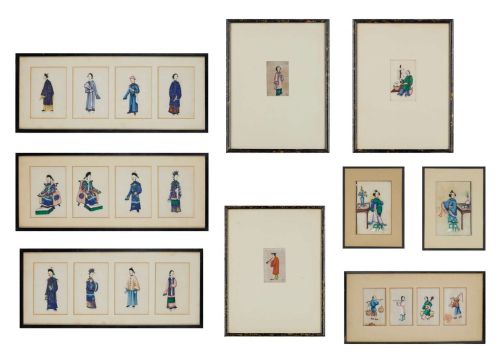
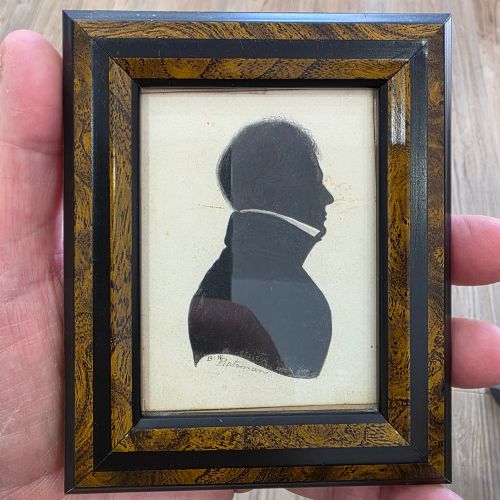
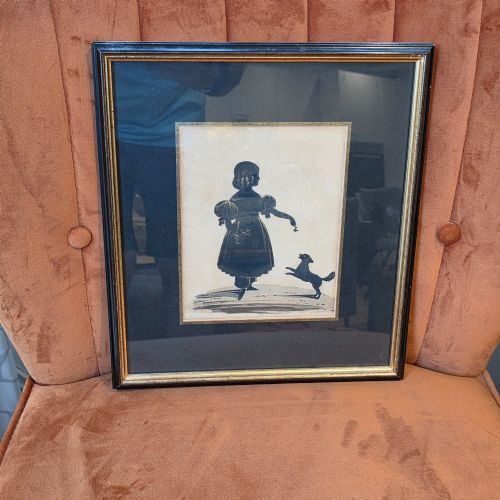
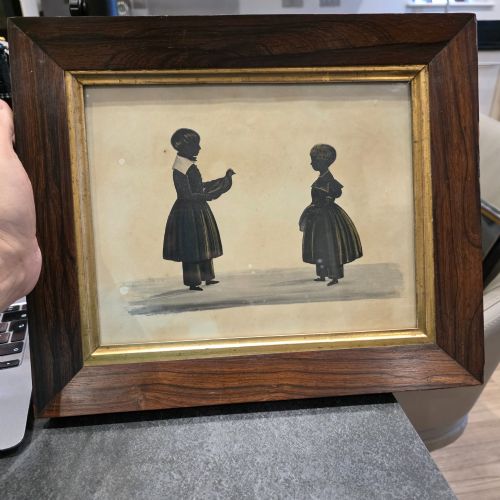
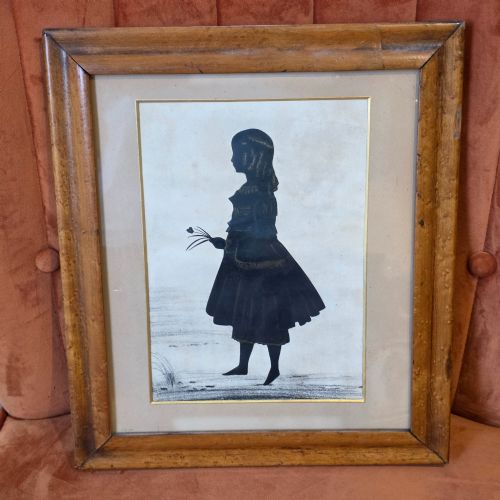
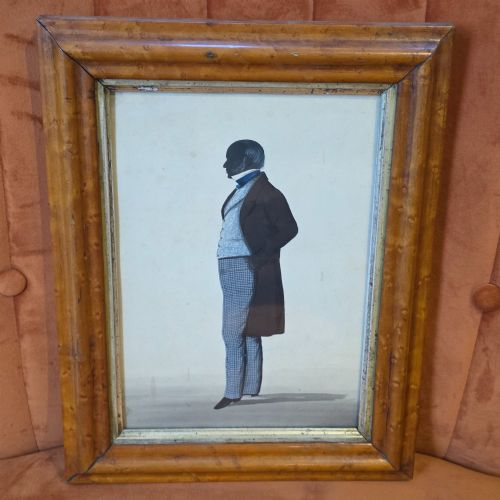
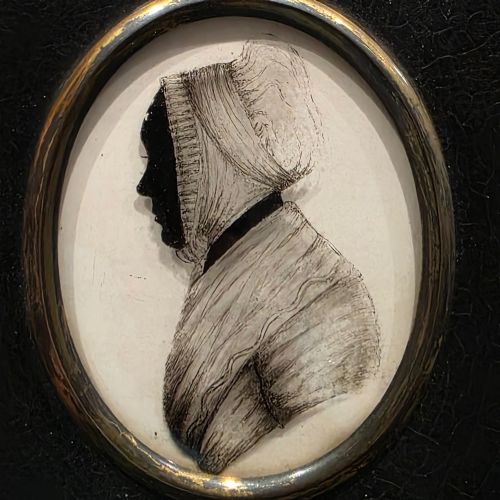
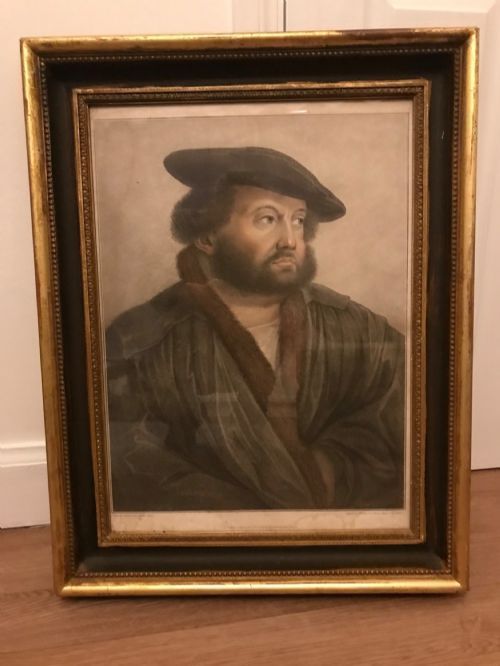
Buyers frequently encounter eighteenth and nineteenth-century British and European portrait prints, alongside pith paintings and silhouettes executed in cut paper, ink, and watercolour. Dark surrounds provide a distinct boundary that isolates the monochrome or coloured imagery within.
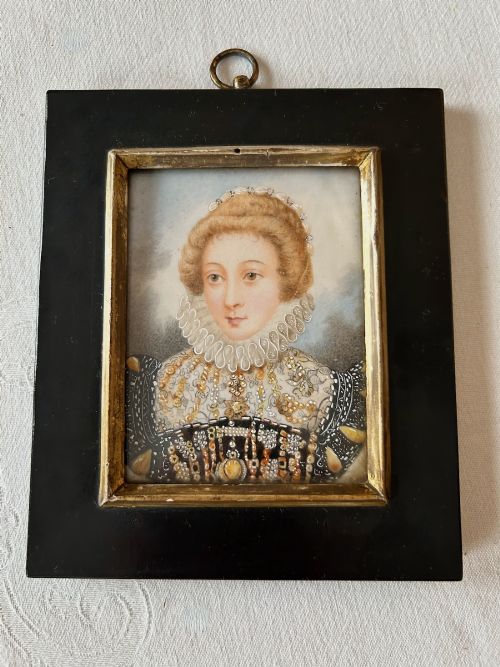
The selection ranges from early engravings after classical painters to intimate portrait miniatures and heraldic panels. Each format utilises traditional mounting methods appropriate to its period of creation.
Materials and Construction
Makers constructed the enclosing structures primarily from ebonised wood or standard timber finished with gold leaf accents, designed to protect fragile works on paper and canvas.
The internal imagery relies upon mediums such as ink, oil on canvas, stipple engraving, and mezzotint printing on paper, occasionally accompanied by delicate glass layers for reverse-painted miniatures.
A nineteenth-century silhouette captures a young girl holding a pet bird, preserving a moment of childhood companionship across the centuries.
Assessing Quality and Execution
The fidelity and crispness of the underlying print or hand-drawn line work dictate the primary tier of execution, separating finely detailed mezzotints and delicate silhouettes from coarser reproductions.
The harmony between the historic artwork and its mounting enclosure determines the overall integrity, where period-appropriate framing enhances the visual depth of the central subject.
The Black Framed Art Glossary
- Mezzotint
- A printmaking process of the intaglio family where the plate is roughened to allow half-tints to be produced. This technique enabled the creation of rich, tonal portraits popular in the eighteenth century.
- Silhouette
- A portrait cut from paper or painted as a solid dark profile against a pale background. Artists gained renown for capturing likenesses swiftly through this shadow-portrait method.
- Ebonised wood
- Timber treated with chemical stains or dark finishes to imitate true ebony. This dark framing material provides high visual contrast for historic prints and paintings.
- Pith painting
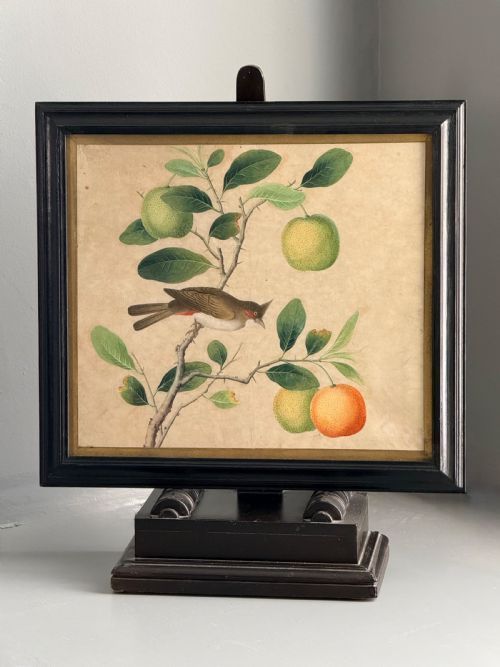
- Artwork created on thin plant-derived material, notably produced in China during the Qing dynasty. These delicate pieces required careful mounting behind glass.
Black Framed Art: Frequently Asked Questions
How do I care for antique framed art?
Keep historic works away from direct sunlight and damp environments to protect fragile papers, inks, and wooden surrounds from deterioration.
Dust the outer borders gently with a dry cloth and avoid applying liquid cleaners directly to the glass or framing surfaces.
Are these frames original to the pieces?
Many historic portraits retain period frames corresponding to their centuries of creation, whilst others have received sympathetic replacement mouldings over time.
Examining the joinery and backing materials helps determine whether the enclosure shares the age of the artwork inside.
How can I date a silhouette?
Costume, hairstyle, and signature styles offer primary clues for dating portrait silhouettes from the Georgian and Regency eras.
Accompanying handwritten labels on the reverse often record the sitter's name and the year of creation.