
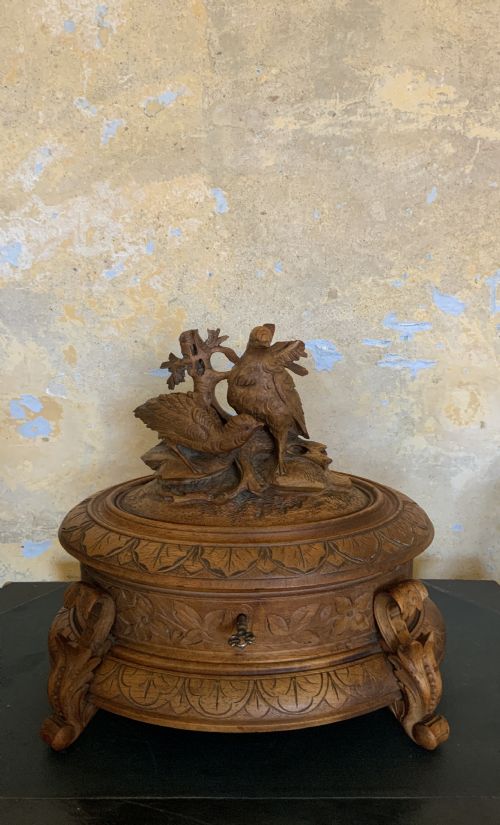


Black Forest Carved Box
These pieces of black forest carved box combine Swiss folk art traditions with intricate woodwork, offering both functional storage and striking animal carvings for the home.
Black Forest Carved Box
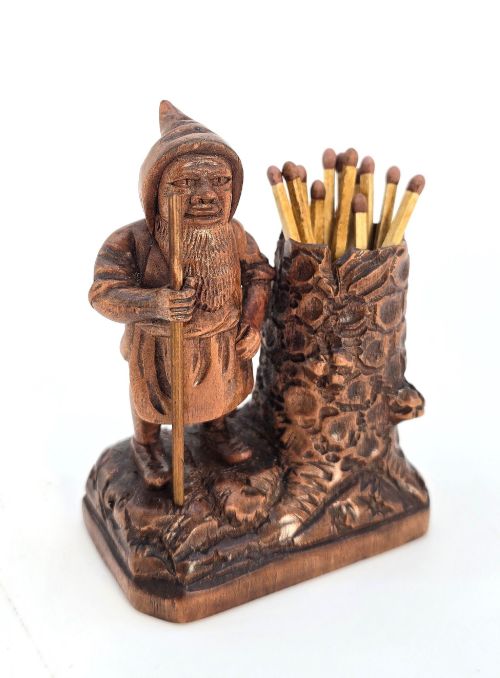
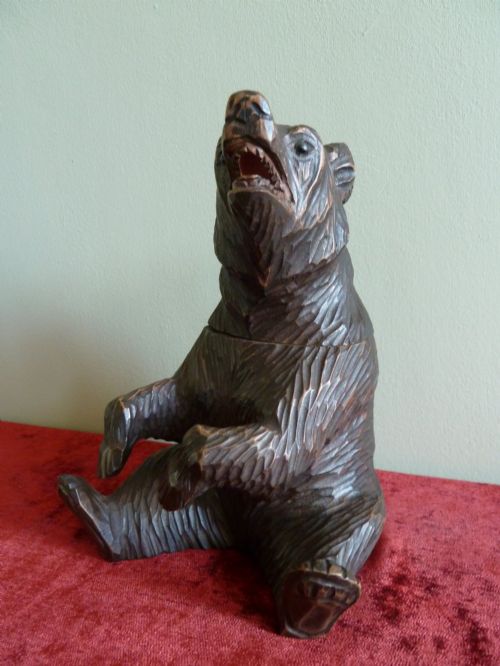
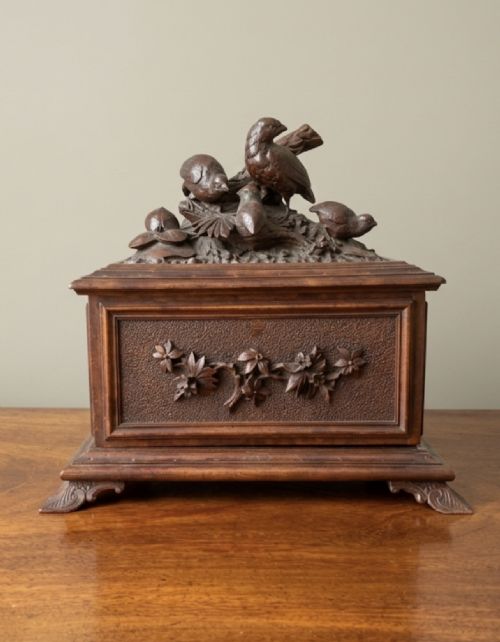
A black forest carved box typically takes the form of a jewellery box, humidor, tobacco box, or match holder, frequently shaped as bears, dogs, owls, or gnomes. You meet these items across the nineteenth century and into the early twentieth century, rooted in Swiss and Victorian decorative styles.
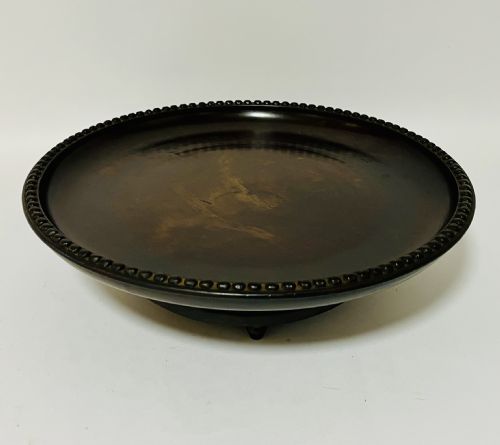
The objects serve both decorative and utilitarian purposes, ranging from small desk tidies and stamp boxes to large game box sets and musical fruit bowls. Walnut, linden wood, and limewood dominate the forms, often augmented by glass eyes or brass fittings.
How they were made
Carvers shaped these items from softwoods and hardwoods like linden wood, limewood, and walnut, employing hand-carving techniques to achieve deep relief and naturalistic textures. Detail work relied on specialised gouges and chisels to render fur, foliage, and facial expressions.
Makers occasionally incorporated marquetry inlay alongside the carving, or fitted interiors with original silk linings and glass eyes to enhance the realism of animal figures.
What varies in quality
Proportion and material selection also mark the grade, with choice walnut or linden wood surfaces showing careful finishing rather than hurried tool marks or coarse smoothing.
The Black Forest Carved Box Glossary
- Humidor
- A box or jar designed to store cigars or tobacco at a controlled humidity. These containers often feature carved bears or dogs on the lid.
- Desk tidy
- A small receptacle for organising writing implements, inkwells, or stamps. They frequently incorporate figural animal carvings.
- Marquetry
- The art of applying pieces of veneer to a structure to form decorative patterns. Walnut versions use this technique alongside relief carving.
- Cave de liqueur
- A fitted box or case containing decanters and glasses for serving spirits. These luxury containers sometimes appear in regional decorative styles.
- Match holder
- A small container designed to store matches, frequently including a textured striker surface. Carved gnome and animal figures often form these pieces.
Black Forest Carved Box: Frequently Asked Questions
What animals appear most often on these boxes?
Bears and dogs, including terriers and boxers, appear with regularity across the nineteenth-century pieces. Owls and gnomes also emerge in specific match holders and stamp boxes.
Carvers utilised these subjects to reflect regional Swiss folk traditions and cater to Victorian tastes for naturalistic ornamentation.
How are these boxes dated?
Carvers often stamped or dated particular pieces, while others are attributed through period styles and material choices spanning the nineteenth and early twentieth centuries.
Walnut and linden wood usage, alongside specific hardware like brass hinges, helps establish the era of production.
What were tobacco jars used for?
These jars held pipe tobacco, keeping the leaf contained within a decorative carved container. They typically feature tight-fitting wooden lids.
Makers frequently sculpted these as bears or dogs with hollowed bodies for storage.
How should I care for the wood?
Keep these carved wooden pieces away from direct sunlight and sudden temperature changes to prevent the wood from splitting. Dust gently with a dry cloth.
Avoid liquid polishes that might build up within the deep recesses of the hand-carved relief work.