




Black Coat of Arms
These black coat of arms pieces bring tangible heraldry and historic craftsmanship into your rooms.
Black Coat of Arms
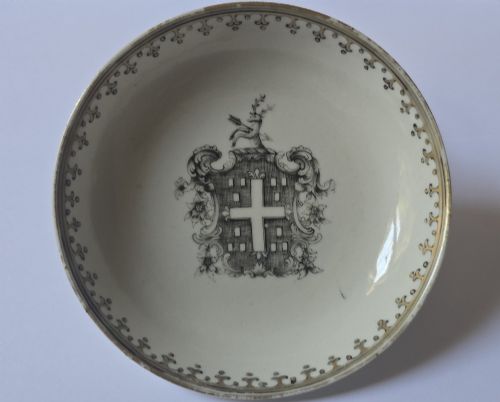
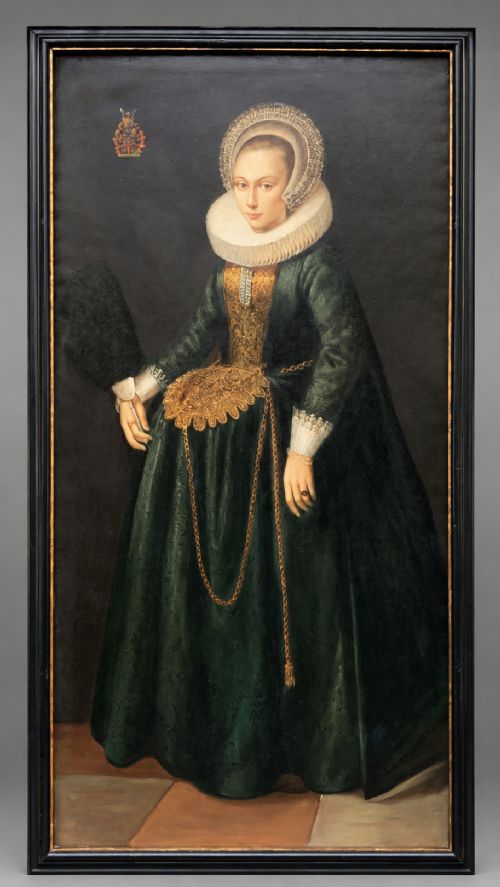
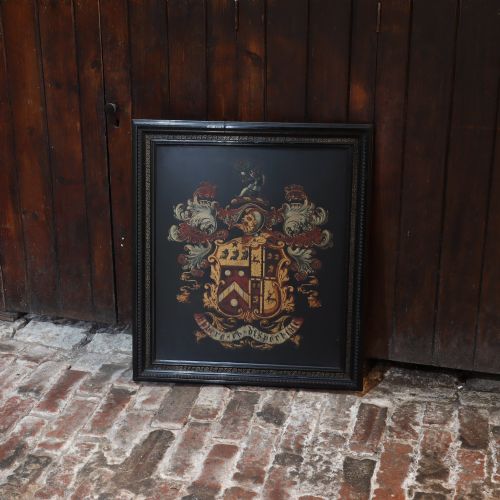
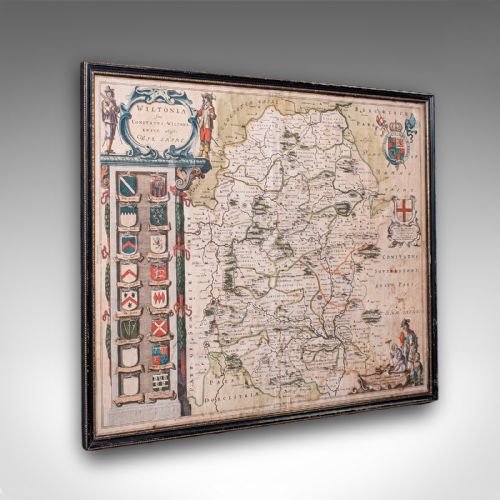
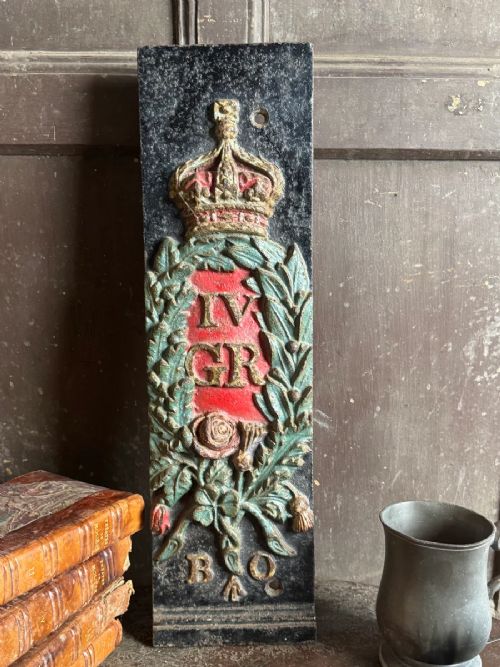
A black coat of arms encompasses a striking variety of historic armorial works, architectural plaques, and painted objects bearing heraldic insignia. When you search for black coat of arms, you encounter diverse items ranging from heavy cast iron firebacks and armorial wall plaques to leather fire buckets and framed cartography.
The pieces span multiple centuries, touching upon the Georgian era, Victorian period, and even earlier centuries such as the 17th century and 15th century. You are most likely to meet painted leather fire buckets and cast iron plaques representing military or family lineages on this page.
Originating from British, French, Swedish, and Portuguese contexts, these objects serve as bold decorative statements rooted in genuine heritage. Each piece displays distinct armorial bearings, providing a tangible link to historic estates, regiments, and civic institutions.
Materials and construction
These items rely on traditional manufacturing methods suited to their respective mediums, predominantly utilising cast iron, leather, wood, and brass. Cast iron plaques and firebacks utilise foundry casting techniques to achieve sharp armorial relief details designed to withstand intense hearth heat.
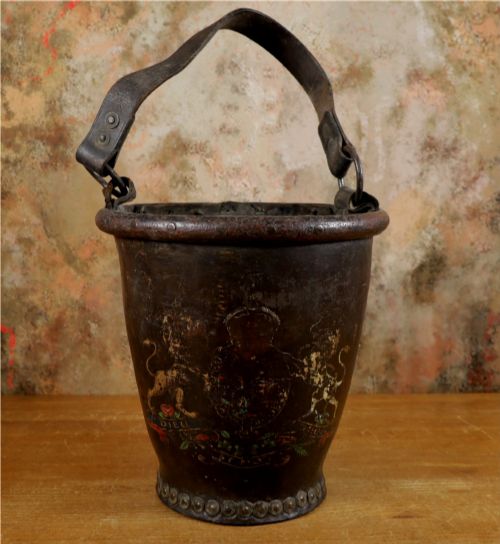
Leather fire buckets demonstrate skilled handcrafting, often formed from thick hide, studded for reinforcement, and finished with hand painted heraldic pigments. Wood and paper feature in framed maps and large console tables, combining cabinetmaking with cartographic illustration.
Black Coat of Arms Retail Price Guide 2026
Typical asking prices for black coat of arms among the pieces listed under this phrase on Sellingantiques today, from the lower quarter to the upper quarter. They describe what is for sale here now, not the wider market.
Early firefighters relied on stiff leather buckets painted with family crests to put out flames, ensuring even emergencies looked adequately aristocratic.
Factors that define quality
Quality rests in the crispness of the armorial detailing, whether cast deeply into iron or meticulously painted by hand onto leather surfaces. Superior examples retain their original pigments and structural integrity without heavy modern restoration.
The provenance and historical context also elevate certain pieces, particularly those tied to specific noble families, regiments, or noted cartographers. Finer objects demonstrate superior baseline materials, such as heavy gauge brass studs on leather or robust timber construction in console tables.
The Black Coat of Arms Glossary
- Armorial
- Relating to heraldry or a coat of arms. It describes items decorated with officially granted armorial bearings.
- Fireback
- A heavy cast iron plate placed at the back of a fireplace. It protects the masonry and reflects heat back into the room.
- Cartography
- The science or practice of drawing maps. Antique examples often feature decorative borders and Latin text.
- Regiment
- A permanent unit of an army commanded by a colonel. Military helmets and plaques frequently designate specific regiments.
Black Coat of Arms: Frequently Asked Questions
What is a black coat of arms?
A black coat of arms refers to historic heraldic items, painted plaques, and cast iron firebacks featuring dark armorial designs. These objects display family crests, military insignia, or civic badges.
They originate from various European traditions and centuries, serving both functional and decorative roles in historic interiors.
How were leather fire buckets used?
Leather fire buckets were kept in large country houses and public buildings to form a quick response line during fires. Crews passed them hand to hand to douse flames.
Their sturdy construction and painted heraldic coats of arms identified the estate or brigade they belonged to.
Where should I place a cast iron fireback?
Cast iron firebacks are designed to sit upright against the rear brickwork inside an active or decorative fireplace. They absorb and radiate heat while protecting the wall.
They can also be displayed as standalone wall plaques or architectural panels within larger interior spaces.
How do I identify the period of an armorial piece?
You determine the period by examining the material, painting style, and specific manufacturing techniques used in the object. Cast iron items often bear distinct foundry marks or stylistic traits typical of Georgian or Victorian design.
Documentation, family provenance, and heraldic records further help pinpoint the exact era of creation.