


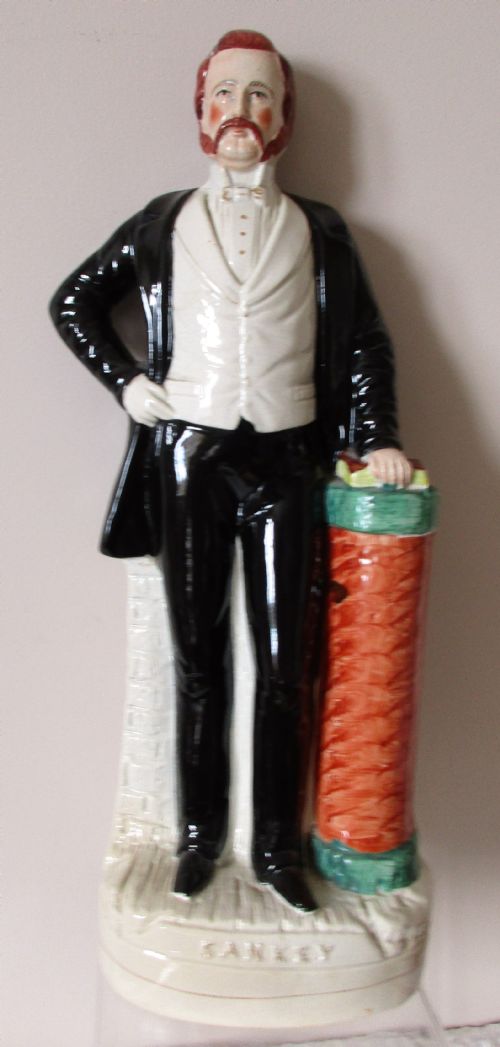


Black Ceramic Figurine
These black ceramic figurine pieces bring domestic charm and sculptural presence into a room through historic earthenware, porcelain and terracotta forms.
Black Ceramic Figurine
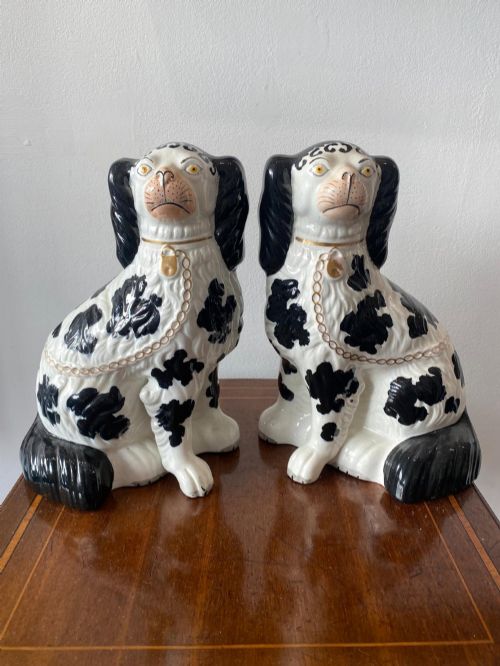
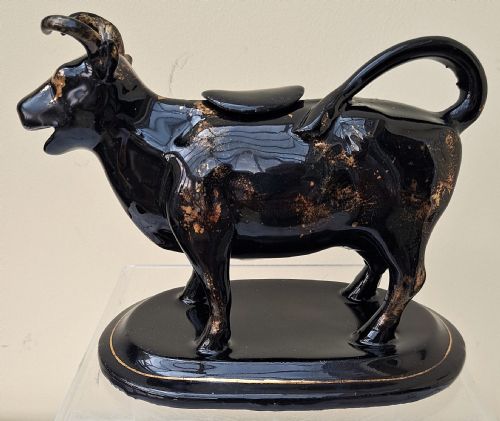
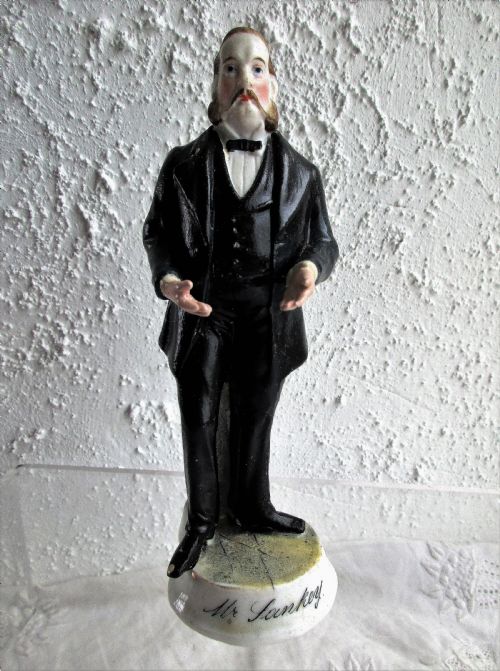
A black ceramic figurine encompasses diverse sculptural forms ranging from nineteenth century Staffordshire dogs and portrait figures to twentieth century Art Deco porcelain pieces. Collectors seeking a black ceramic figurine often encounter nineteenth century English pottery, Victorian Jackfield glazed creamers, and continental animal studies.
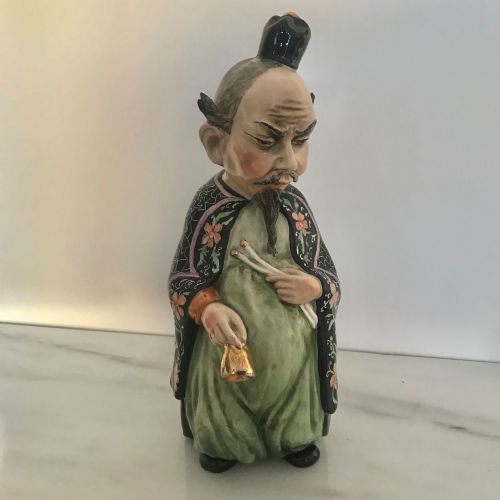
The selection extends across global origins, incorporating Chinese hand enamel decorated figures, Japanese Kutani deities, and Tang Dynasty style glazed horses. Eighteenth century porcelain examples from Derby and early twentieth century French bonbonniere boxes also appear alongside Staffordshire zebras and huntsmen.
Functional objects occasionally share this space, including cream jugs, trinket boxes, and candle snuffers shaped as animals or figures. Buyers will find that nineteenth century earthenware dominates the grouping, supported by porcelain figures and decorative pottery sculptures.
Materials and methods
Potters shaped these figures from earthenware, terracotta, and porcelain bodies before applying specialised glazes and enamels. The distinctive dark finishes rely upon Jackfield glazes, black enamel paints, and rich glaze combinations seen in Sancai pottery horses.
Black Ceramic Figurine Retail Price Guide 2026
Typical asking prices for black ceramic figurine among the pieces listed under this phrase on Sellingantiques today, from the lower quarter to the upper quarter. They describe what is for sale here now, not the wider market.
Listings feature earthenware, porcelain, and terracotta materials decorated with enamel, glaze, and gold leaf across multiple centuries.
Evaluating the pieces
The sophistication of the glaze work and the preservation of original gilt or gold leaf ornamentation further separate standard production pieces from finer sculptural works. Provenance to established potteries like Derby, Worcester, or Limoges adds distinction to the modelling.
Royal Worcester·Limoges·Beswick
The Black Ceramic Figurine Glossary
- Jackfield
- A deep black glazed pottery originating from Shropshire, often applied to earthenware cow creamers and animal figures. This lustrous finish gives nineteenth century pieces their characteristic dark sheen.
- Sancai
- A traditional three colour lead glaze technique famously used on Tang Dynasty style pottery horses. The term describes the characteristic multi-coloured glazed appearance.
- Bonbonniere
- A small ornamental box designed to hold sweets or trinkets, frequently topped with a porcelain half doll or figural lid. These decorative containers were popular during the Art Deco period.
- Kutani
- A style of Japanese porcelain and pottery recognised by painted enamel decorations. Figures from this tradition often depict deities and cultural icons.
- Staffordshire
- Pottery produced in the English region encompassing Stoke-on-Trent, known for portrait figures, dogs, and animal groups. These earthenware pieces formed the backbone of Victorian domestic mantelpiece decoration.
Black Ceramic Figurine: Frequently Asked Questions
What periods do these figurines come from?
The pieces span from the eighteenth century through the nineteenth and twentieth centuries, encompassing Victorian and Edwardian examples alongside Art Deco designs.
Earlier items include eighteenth century Derby porcelain, while nineteenth century Staffordshire earthenware and 1930s continental porcelain represent the later periods.
How were these ceramic figures used historically?
Many acted purely as decorative ornaments on mantelpieces, dressers, and display cabinets to showcase household refinement and literary or historical interests.
Others served functional roles, such as Jackfield pottery cow creamers used at the tea table or porcelain half doll boxes designed for powder and trinkets.
How do I care for antique ceramic figures?
Keep them out of direct sunlight to prevent enamel colours and gold leaf highlights from fading over time. Dust gently with a soft dry brush and avoid liquid cleaners that might damage historic glazes.
How can I distinguish between periods?
Examine the base material, glaze type, and painting style to identify the likely era of manufacture. Nineteenth century Staffordshire typically shows heavier earthenware bodies with hand-painted details, while 1930s Art Deco pieces display distinct modernist styling and porcelain construction.