

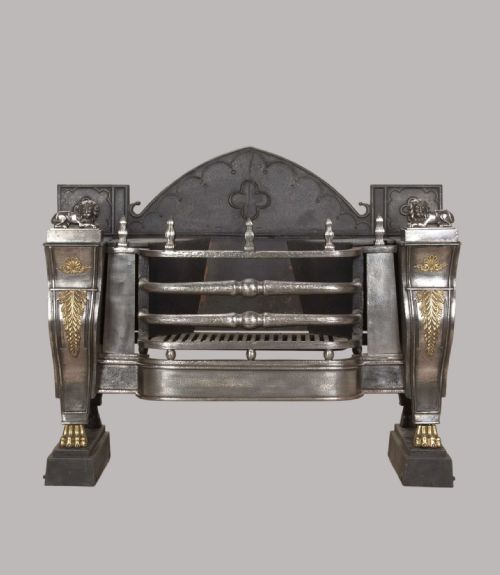


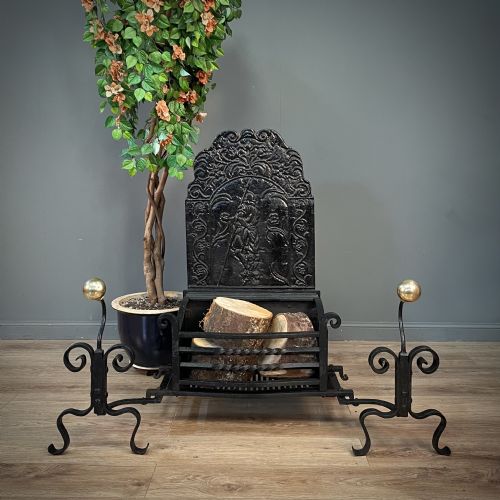
Black Cast Iron Insert
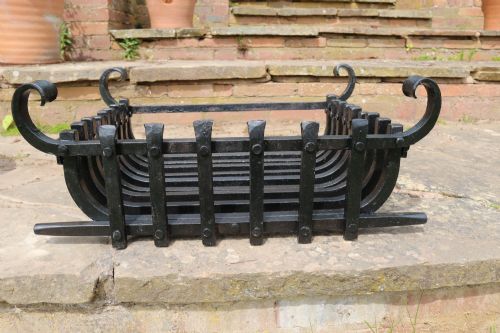
A black cast iron insert anchors the hearth with serious metalwork, offering deep period character and robust warmth to a room.
Black Cast Iron Insert
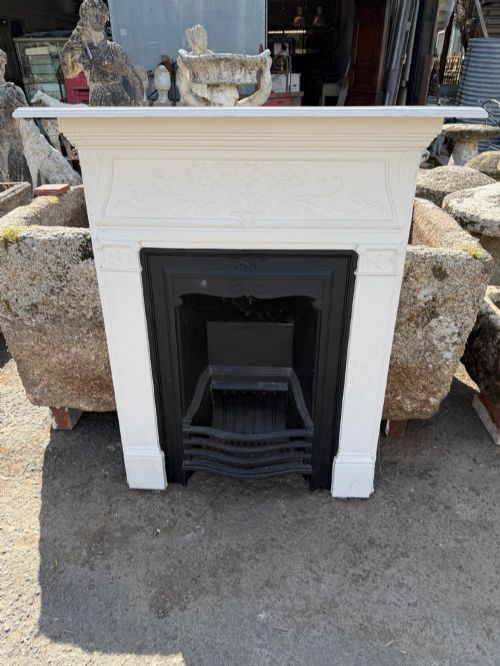
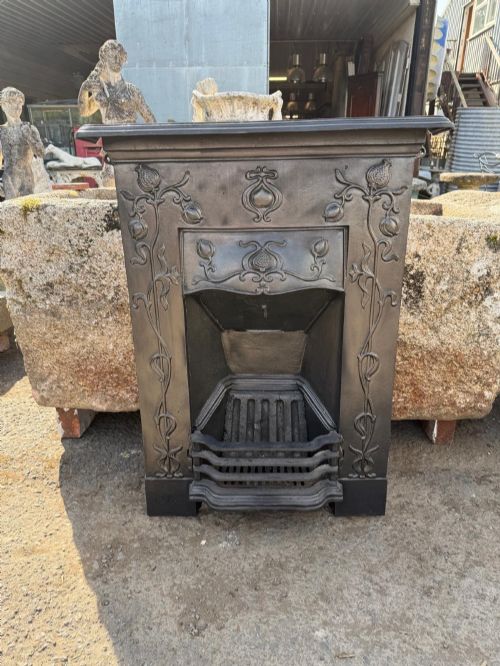
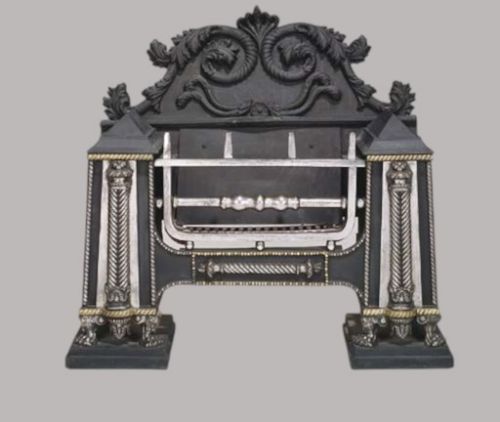
A black cast iron insert comprises fire grates, baskets, combination fireplaces, and register grates designed to sit within a chimney opening. These items originate across Georgian, Regency, Victorian, Edwardian, and later twentieth-century periods.
The most common examples you meet on this page are Victorian combination fireplaces and fire baskets. They combine functional fuel holding with decorative cast and wrought iron framing.
Makers and designers referenced in the listings span traditional classical designs, Adam style, Arts and Crafts, and Jacobean Revival motifs. Pieces range from small proportions up to large hearth assemblies complete with andirons and firebricks.
How they were made
The primary construction relies on cast iron, supplemented by wrought iron for grates, fire baskets, and structural bars. Foundry work allowed makers to cast intricate surface decoration directly into the iron body.
Selected grates incorporate brass highlights or timber surrounds, whilst internal fire zones utilise firebrick to withstand intense heat. Artisans combined casting and hand-wrought assembly to build robust hearth furniture.
Black Cast Iron Insert Retail Price Guide 2026
Typical asking prices for black cast iron insert among the pieces listed under this phrase on Sellingantiques today, from the lower quarter to the upper quarter. They describe what is for sale here now, not the wider market.
Listings span the Georgian, Regency, Victorian, and Edwardian periods, utilising cast iron, wrought iron, brass, timber, and firebrick.
What varies in quality
Quality rests in the crispness of the iron casting and the architectural ambition of the design, such as classical Regency proportions or detailed Adam style ornament. Superior examples balance heavy structural integrity with refined surface detailing.
The integration of mixed materials like brass fittings and the presence of complete original firebacks or hearth sets elevate certain inserts above standard utility grates.
Coalbrookdale
The Black Cast Iron Insert Glossary
- Register grate
- A fireplace insert featuring a moveable plate or damper to regulate the chimney draught. This design allowed homeowners to control airflow and fire burn rates more effectively.
- Hob grate
- An early fireplace style featuring raised side platforms for heating kettles or pans. These surfaces sit beside the central fire basket.
- Combination fireplace
- A single-unit cast iron fireplace incorporating both the grate and the surround into one assembly. This form gained immense popularity during the Victorian era.
- Andirons
- Supporting metal firedogs used to hold logs within an open hearth or fire basket. They often accompany matching fender and hearth sets.
- Firebrick
- Refractory ceramic block used to line the internal combustion chamber of a grate. It protects the outer cast iron body from extreme temperatures.
Black Cast Iron Insert: Frequently Asked Questions
What is a black cast iron insert?
A black cast iron insert is a self-contained fireplace unit designed to fit into an existing chimney breast. These pieces hold solid fuel and project warmth into a room whilst framing the hearth.
They appear in various period styles, from classical Regency register grates to ornate Victorian combination fireplaces and Arts and Crafts wrought iron baskets.
How do I date a cast iron insert?
Dating relies on stylistic clues, manufacturing techniques, and specific design markers. Georgian and Regency pieces often display classical proportions and delicate hob grates, whereas Victorian examples favour heavier combination surrounds.
Later pieces from the early twentieth century, including Edwardian sets and nineteen-thirties Arts and Crafts work, introduce simpler geometries or specific revival motifs.
Can I burn real wood in these grates?
Many of these historical grates were originally designed for coal or wood, but usage depends heavily on the internal condition and the presence of firebrick linings. Some smaller proportions or decorative inserts suit decorative display rather than heavy burning.
It is essential to have an accredited specialist inspect the structural integrity and chimney compatibility before lighting any fire.
What maintenance do iron inserts require?
Cast iron surfaces benefit from occasional cleaning and treatment with traditional grate polish to maintain their deep black finish and prevent surface oxidation. Keeping the ash pan and internal bars clear of debris preserves the metal.
Avoid using abrasive chemical cleaners that strip the historic surface finish of the iron.