




Black and Yellow Glass
Black and yellow glass brings together striking monochrome tones and warm solar hues in decorative vessels and personal ornaments.
Black and Yellow Glass
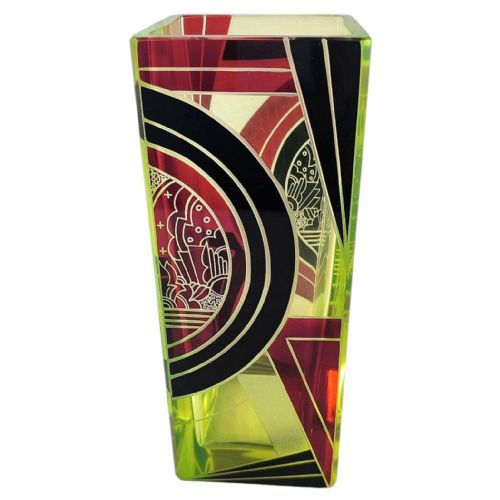
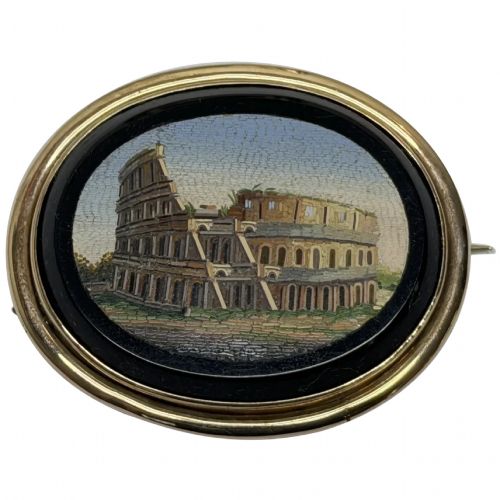
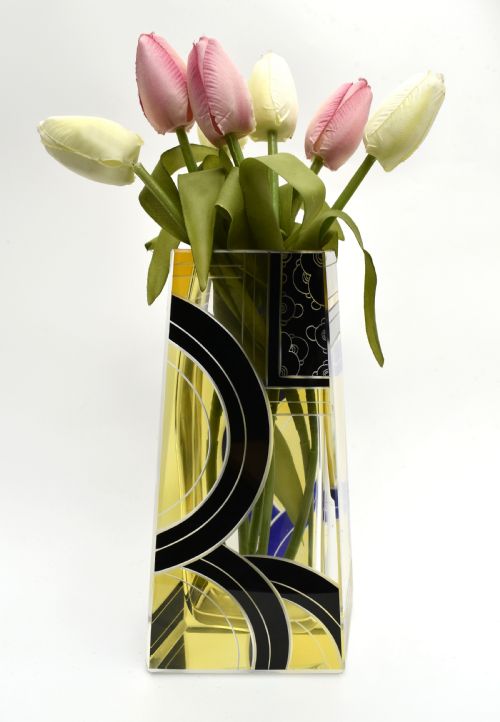
When you search for black and yellow glass, you enter a domain defined largely by vibrant Art Deco Czech pieces and contrasting Victorian micromosaic work. The examples seen here range from table lamps and etched vases by Karl Palda to gold brooches and earrings.
The dominant aesthetic belongs to the 1930s Art Deco period, where geometric glass vessels feature bold enamel decoration and contrasting dark bases. Alongside these stand nineteenth century jewellery pieces incorporating glass tesserae set in yellow gold.
How they were made
Makers utilised glass as the primary medium, often combining it with enamel work to build up opaque surface patterns and geometric designs. Etching techniques allowed artisans to cut through surface layers to reveal contrasting tones underneath.
In jewellery pieces, glass tesserae formed intricate micromosaic scenes set directly into yellow gold mounts. Ebonised wood and taxidermy mounts appear alongside these principal materials in related decorative objects.
Black and Yellow Glass Retail Price Guide 2026
Typical asking prices for black and yellow glass among the pieces listed under this phrase on Sellingantiques today, from the lower quarter to the upper quarter. They describe what is for sale here now, not the wider market.
Even golden carp find a place among these dark and bright decorative forms.
What varies in quality
The distinction between standard production and superior craftsmanship rests on the precision of the enamel application and the clarity of the etched lines. Crisp geometric execution separates masterworks from simpler decorative wares.
In mosaic items, the fineness of the individual glass tesserae and the complexity of the pictorial subject dictate the overall standard. Greater density in the microscopic glass pieces creates a more refined final image.
The Black and Yellow Glass Glossary
- Glass Tesserae
- Tiny cut cubes of coloured glass used to assemble micromosaic imagery. These minute pieces form detailed miniature scenes when pressed into a specialised mastic bed.
- Enamel
- Opaque vitreous material fused to a glass or metal surface through heat. It provides bold areas of colour alongside transparent or monochrome glass bodies.
- Ebonised Wood
- Timber treated to imitate the dark, dense appearance of ebony wood. It serves as a contrasting dark mount or base for display pieces.
- Micromosaic
- A specialised mosaic technique utilising exceptionally small glass tesserae to create intricate pictorial representations. Artisans employed this method on nineteenth century brooches and earrings.
Black and Yellow Glass: Frequently Asked Questions
What periods do these pieces come from?
The selection spans from the Victorian era through the Edwardian period up to the 1930s Art Deco movement. Earlier items lean towards detailed micromosaic jewellery.
Later examples showcase the geometric forms and striking colour contrasts typical of mid twentieth century Czech glass production.
How were these glass items used?
Vases and table lamps served as functional interior decoration in domestic spaces during the early twentieth century. Drinks sets and perfume bottles were designed for refined entertaining and dressing table display.
Personal ornaments like brooches and earrings functioned as wearable art displaying miniature mosaic craftsmanship.
How do I care for black and yellow glass?
Gentle dusting with a soft, dry cloth preserves the exterior enamel and etched surfaces without causing abrasion. Avoid harsh chemical cleaners that might degrade applied surface decoration.
Jewellery pieces require careful handling to protect the microscopic glass tesserae set within the yellow gold mounts.
How do I distinguish Art Deco from Victorian pieces?
Art Deco objects display clean geometric lines, bold enamelling, and functional forms such as decanter sets and lamps. They reflect the modern industrial aesthetic of the 1930s.
Victorian items are characterised by naturalistic motifs, micromosaic portraits, and precious yellow gold settings intended for personal adornment.