





Black and Gold Plate
These black and gold plate pieces bring striking contrast and period character to a room, offering distinct metallic finishes and rich dark tones.
Black and Gold Plate
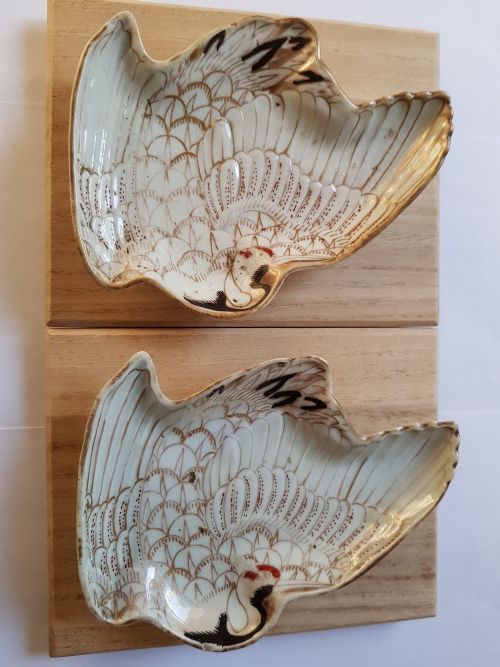
When you search for black and gold plate, you encounter a varied mix of decorative items, watches, and mirrors spanning several centuries. The selection encompasses diverse forms such as Japanese crane-shaped dishes, decorative plaques, and cabinet plates.
The objects originate from periods as early as the late seventeenth century up through the mid-twentieth century. Buyers will find items reflecting Georgian, Victorian, Art Deco, and Mid-Century aesthetics.
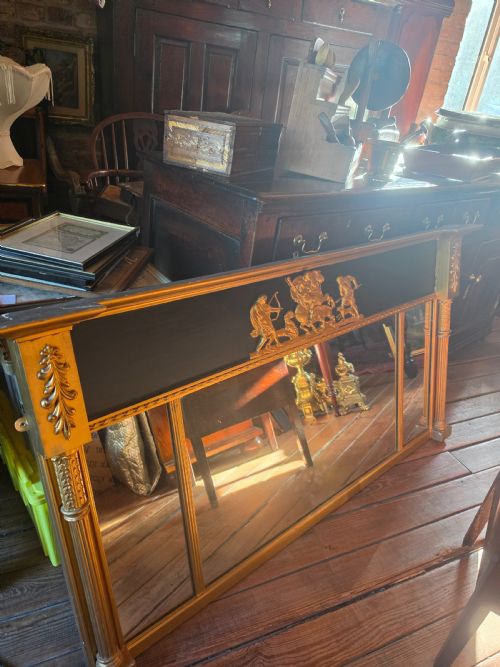
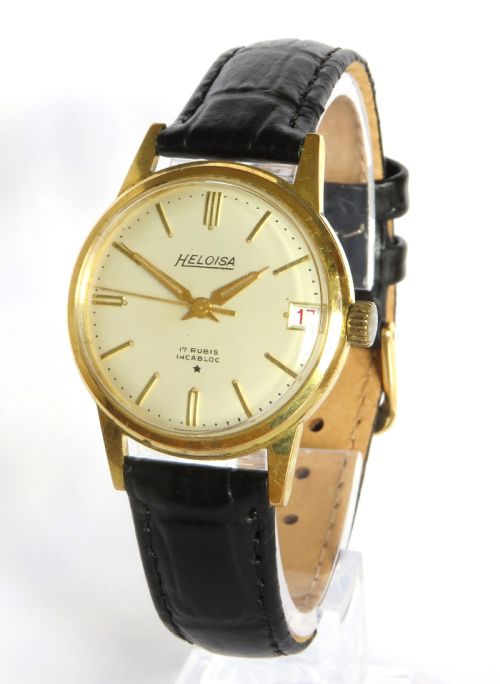
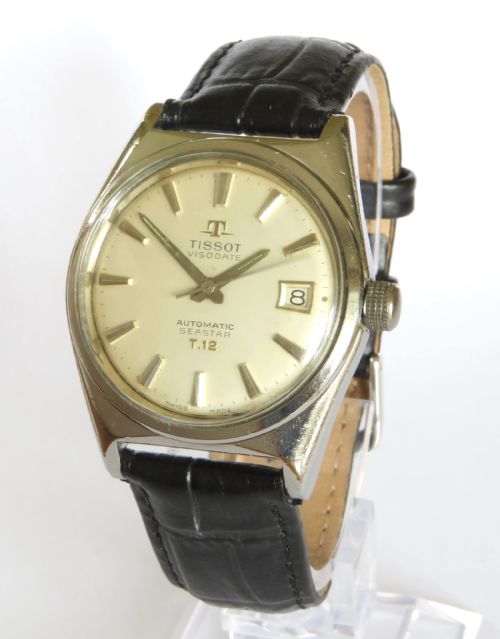
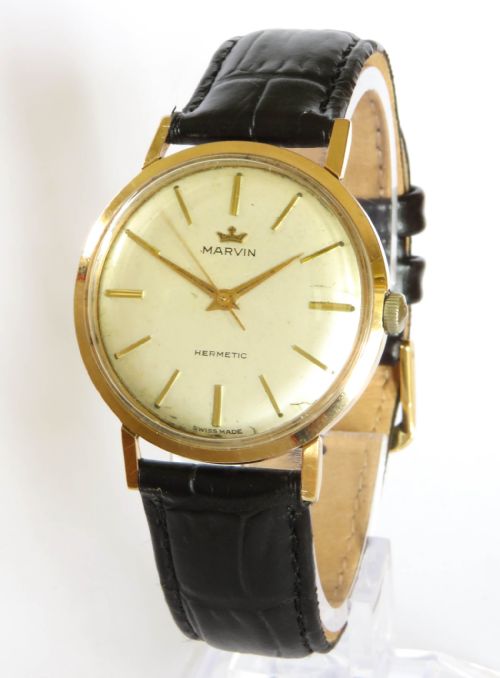
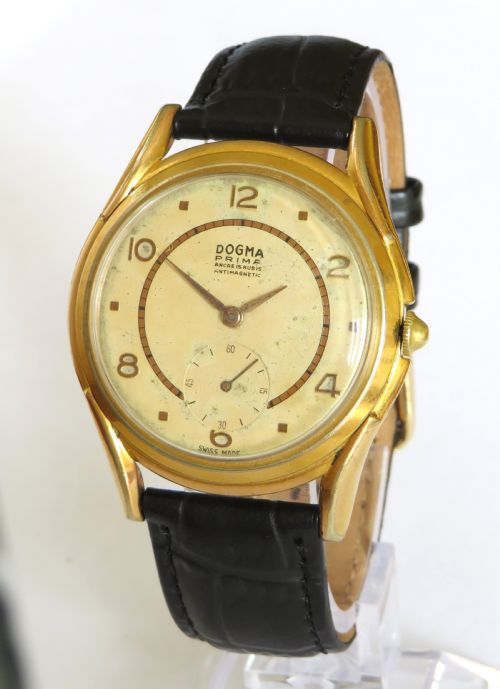
While the phrase suggests flat decorative tableware, the physical inventory includes wristwatches with gold-plated cases, framed prints, and large overmantel mirrors. Each piece incorporates dark patination or black elements alongside gilt or gold plating.
Markers of distinction and finish
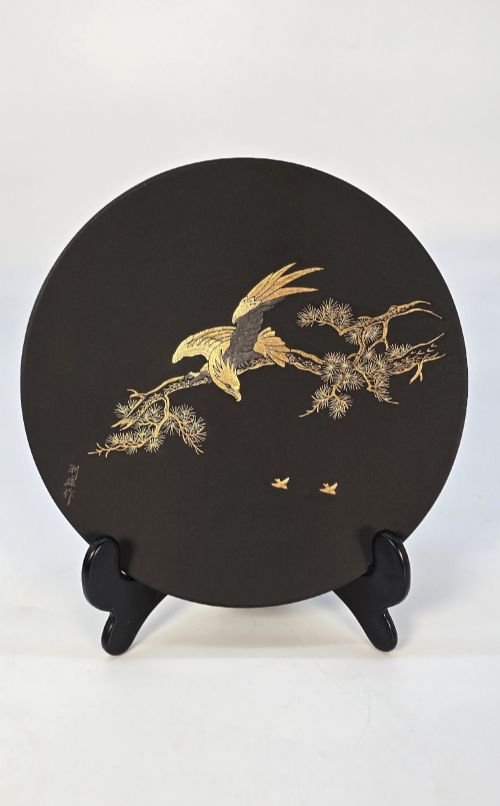
Quality rests in the crispness of the detailing, whether in the shallow relief moulding of a ceramic dish or the precision of metal inlay work on iron plaques. Finer examples retain their original surface patination and gilding without excessive rubbing or loss.
Mechanical items demonstrate excellence through the complexity of their movements and the preservation of their plated cases. Decorative wall pieces depend on the integrity of the frame construction and the clarity of the underlying engraving or mirror glass.
Black and Gold Plate Retail Price Guide 2026
Typical asking prices for black and gold plate among the pieces listed under this phrase on Sellingantiques today, from the lower quarter to the upper quarter. They describe what is for sale here now, not the wider market.
J W Benson·William Hogarth
The Black and Gold Plate Glossary
- Giltwood
- Wood that has been treated with gold leaf or a gold-coloured finish. This technique appears frequently on Regency and nineteenth-century mirror frames.
- Patinated
- The natural or artificial surface alteration that occurs on metals and wood over time. Patination adds depth and character to iron plaques and vintage objects.
- Overmantel mirror
- A large mirror designed to hang specifically above a fireplace mantel. These pieces often feature substantial giltwood frames from the nineteenth century.
- Cabinet plate
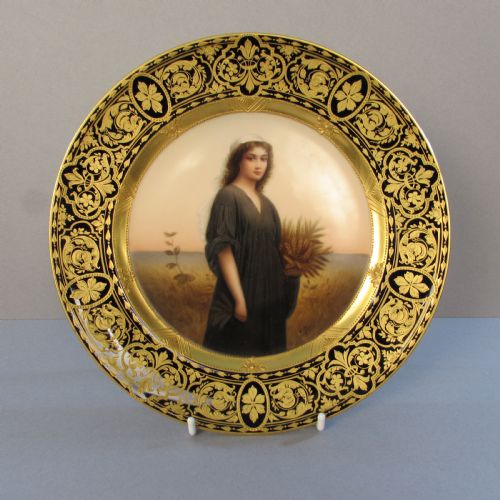
- A decorative ceramic plate intended for display rather than dining use. These items often showcase intricate painted scenes and gilt borders.
- Inlay
- A decorative technique where materials are embedded into recesses in a base object. Examples include gold and silver work set into patinated iron.
Black and Gold Plate: Frequently Asked Questions
What periods do these items cover?
The available selection spans from the late seventeenth century through the eighteenth and nineteenth centuries, extending into mid-twentieth-century watches and modern designs.
Buyers can find pieces representing distinct historical eras including the Regency, Victorian, and Art Deco movements.
How should I clean a gold-plated watch?
Gold-plated watch cases require gentle wiping with a soft, dry microfibre cloth to remove surface dust and oils without wearing down the thin metal layer.
Avoid liquid cleaners and abrasive materials that can strip the plating or damage vintage crystal and leather straps.
Where were Japanese crane dishes displayed?
These shallow relief dishes served primarily as decorative items in interiors where collectors showcased imported East Asian works of art.
Their iron red, black, and gold palette made them suitable for placement on cabinets or tables alongside other ceramic pieces.
Are overmantel mirrors heavy?
Country house size overmantel mirrors possess substantial wooden frames and thick glass, making them notably heavy objects.
Proper installation requires secure wall fixings anchored directly into structural studs or masonry to support the weight safely.