





Birch Console Tables
Birch console tables bring warm timber tones and refined nineteenth-century silhouettes to an interior, making them sought-after statement pieces for hallway or living room placement.
Birch Console Tables
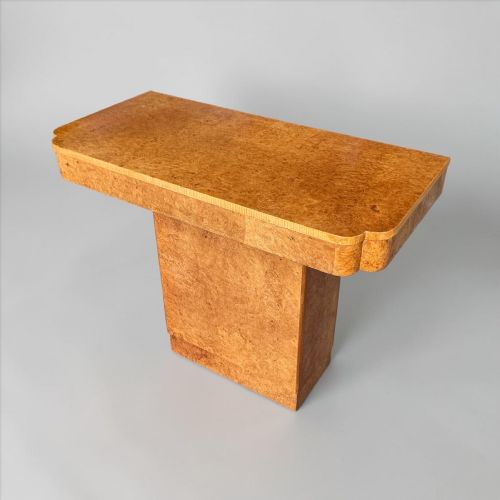
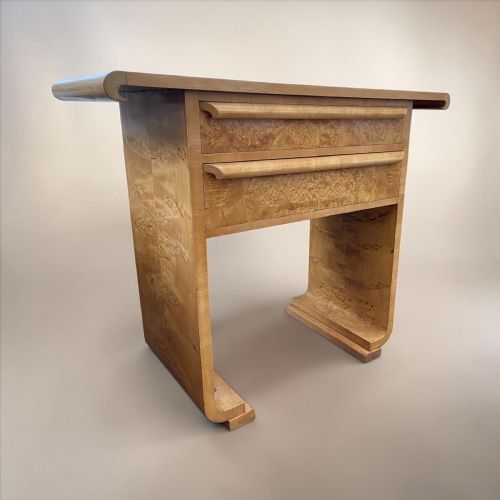
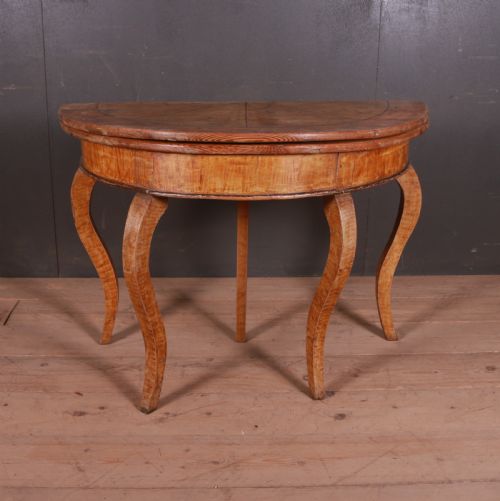
When you search for birch console tables, you encounter an array of nineteenth-century and Art Deco forms designed for functional elegance against a wall. The selection spans periods from the 1800s through to 1930, capturing distinct stylistic revivals and modernist minimalism.
The most common versions on this page are nineteenth-century pieces from Sweden and Britain, frequently taking the form of console tables, side tables, sofa tables, and tea tables. These items demonstrate a strong preference for figured timbers like burr birch and satin birch.
Styles range from Biedermeier and Empire Revival to Rococo Revival and Art Deco, reflecting shifting European tastes in domestic furniture. Makers such as Fortnum and Mason and Heal & Sons occasionally appear alongside unmarked continental examples.
How they were made
Cabinet makers utilised select timbers including birch, burr birch, satin birch, and maserbirch, often enhanced with wood veneer to showcase intricate grain patterns. Ebonised wood and brass or ormolu mounts provided sharp visual contrast against the pale, warm ground of the birch.
Construction techniques combined solid framing with precision veneering, frequently incorporating inlaid details that define Swedish and Biedermeier aesthetics. The application of these decorative elements required advanced woodworking skill to maintain smooth, unbroken surfaces across console and sofa tables.
Birch Console Tables Retail Price Guide 2026
Typical asking prices for birch console tables among the pieces listed under this phrase on Sellingantiques today, from the lower quarter to the upper quarter. They describe what is for sale here now, not the wider market.
Listings feature items spanning the 19th Century, Victorian era, and 1930 Art Deco period, constructed from birch, burr birch, satin birch, and ebonised wood.
What varies in quality
The distinction between standard examples and the finest items rests on the selection and matching of the birch veneer. Highly figured burr birch and maserbirch require meticulous craftsmanship to align grain patterns symmetrically across the top of a console or tea table.
Hardware integration and secondary detailing further separate ordinary pieces from exceptional ones. The inclusion of original ormolu mounts, refined brass fittings, and precise inlay work elevates the overall execution of nineteenth-century and Art Deco designs.
Fortnum and Mason·Heal & Sons
The Birch Console Tables Glossary
- Biedermeier
- A influential Central European design style from the early nineteenth century favouring clean lines, utility, and warm blond woods over excessive ornamentation. It forms a cornerstone of the tables seen here.
- Satin Birch
- A lustrous variety of birch timber exhibiting a smooth, reflective grain reminiscent of satin. It gained particular favour during the Victorian era for side and writing tables.
- Ormolu
- Gilt bronze mounts applied to furniture for decorative accent during the eighteenth and nineteenth centuries. These metallic details often complement the warm tones of birch and maserbirch.
- Sofa table
- A rectangular occasional table traditionally designed to stand directly in front of a sofa. Nineteenth-century versions often feature drop leaves and double pedestals.
Birch Console Tables: Frequently Asked Questions
What is a birch console table?
A birch console table is a narrow table designed to stand against a wall, constructed primarily from birch or birch veneers. These pieces frequently date from the nineteenth century or the Art Deco period.
They serve both decorative and functional purposes in hallways, living rooms, and dining spaces, offering a surface for display while showcasing distinctive wood grains.
How do I identify Biedermeier birch furniture?
Biedermeier furniture is characterised by restrained neoclassical forms that prioritise warm wood grains and structural simplicity over heavy carving. Look for blond birch or maserbirch veneers arranged with geometric symmetry.
Originating in Central Europe during the early nineteenth century, these pieces often feature minimal hardware to let the natural figure of the timber take precedence.
Where should I place a sofa table?
Sofa tables are traditionally positioned against the back of a freestanding sofa, matching its height to provide balance and extra surface space. They also function effectively as narrow side tables against a wall.
Their proportions make them versatile additions to circulation spaces and reception rooms where floor space is limited.
What is satin birch?
Satin birch is a timber renowned for its fine, shimmering grain that catches the light in a manner similar to satin fabric. It became widely used by Victorian cabinet makers for tables and case furniture.
The smooth, pale surface provides a lighter alternative to darker woods like mahogany or walnut.
How do I care for antique birch tables?
Antique birch surfaces require gentle maintenance using a soft, dry cloth to remove dust. Avoid chemical polishes and keep wooden furniture away from direct sunlight and radiators to prevent veneer cracking.
Maintaining a stable indoor humidity helps preserve the structural integrity of nineteenth-century timber and delicate inlays.