


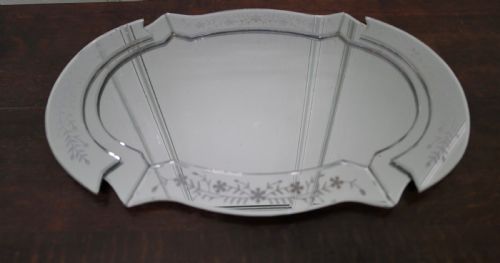
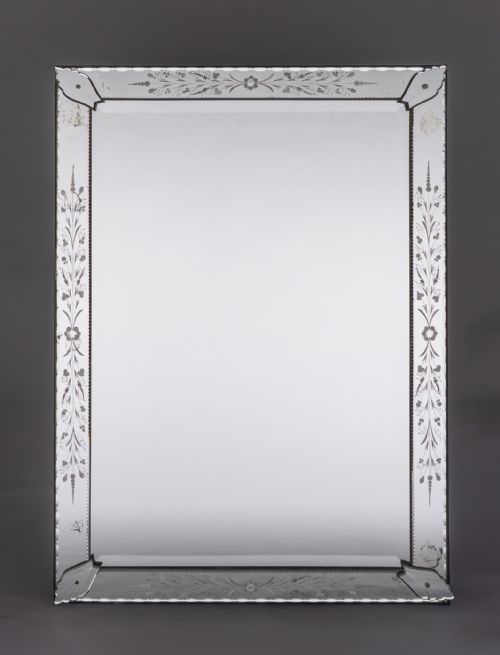


Bevelled Silver Mirror
A bevelled silver mirror reflects the meticulous craftsmanship of past decades, offering both functional utility and striking decorative presence.
Bevelled Silver Mirror
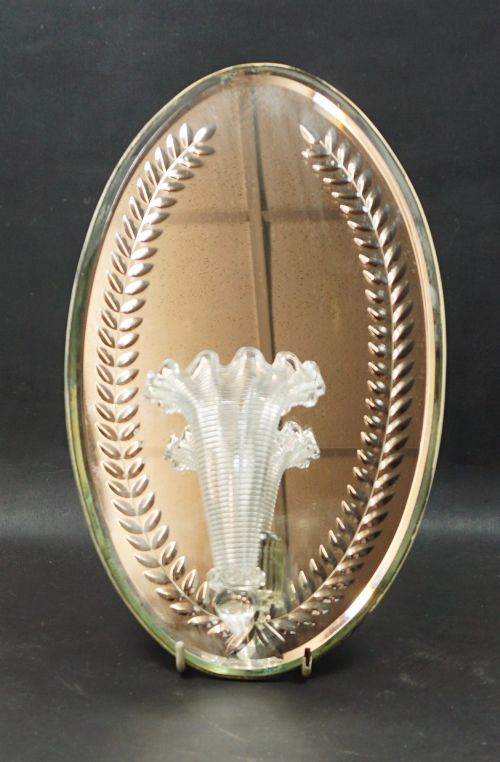
A bevelled silver mirror comprises various forms designed for different settings, ranging from grand overmantle pieces to compact dressing table accessories. When seeking a bevelled silver mirror, buyers encounter a diverse selection spanning the Victorian, Edwardian, and Art Deco periods, alongside mid-century examples.
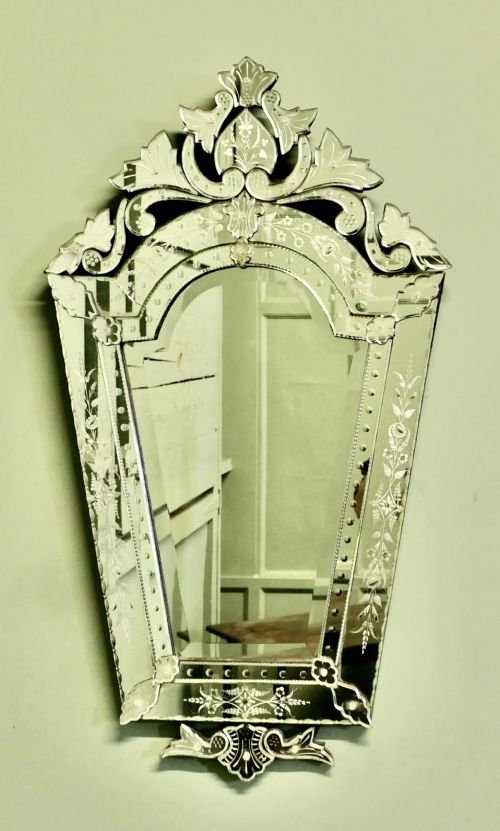
The objects take many shapes, including wall mirrors, vanity mirrors, table mirrors, trays, and even figural sculptures incorporating reflective glass. Pieces originate from diverse contexts such as English workshops and Venetian glasshouses, reflecting distinct regional tastes from the nineteenth and twentieth centuries.
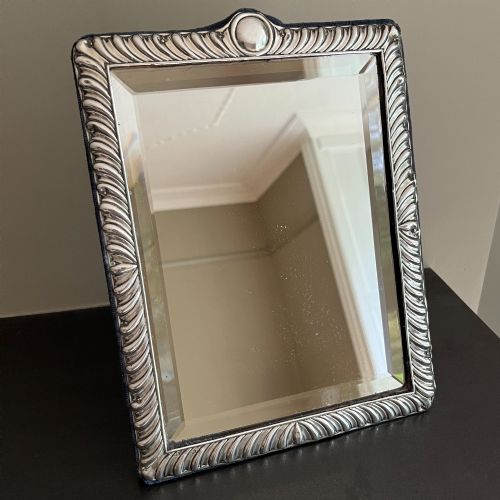
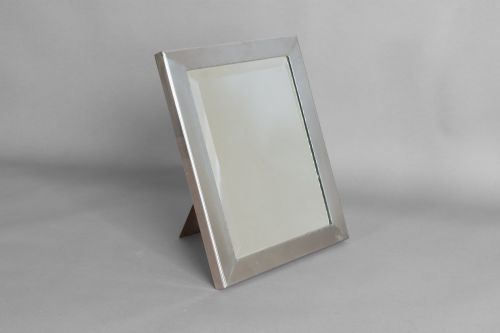
Wall and overmantle mirrors dominate the larger formats, while strut and easel mirrors provide portable options for surfaces. Frameless designs and those set in brass, wood, or sterling silver frames demonstrate the broad scope of styles available to collectors.
Materials and construction
Makers utilised glass, mirrored glass, and silvered glass plates, often shaping the edges into distinctive bevels that catch the light. Frames were constructed from wood, brass, chrome, and sterling silver, or shaped directly from carved wood and gesso.
Techniques combined traditional silvering methods with hand-engraving, etching, and cutting. Structural elements such as original fittings, easel struts, and metal backings were integrated to support the weight of the glass plate and ensure stability.
Bevelled Silver Mirror Retail Price Guide 2026
Typical asking prices for bevelled silver mirror among the pieces listed under this phrase on Sellingantiques today, from the lower quarter to the upper quarter. They describe what is for sale here now, not the wider market.
Some dressing table mirrors come with built-in mantel clocks so you can admire your reflection while losing track of time.
Distinctions in quality
Quality reveals itself through the depth and precision of the glass bevel, the crispness of any hand-engraving or etching, and the integrity of the silvering on the plate. Superior examples display minimal distortion in the reflection and employ substantial materials like sterling silver or heavy cast brass for their frames.
The refinement of the supporting elements, such as hallmarked silver mounts, original wood backboards, and intact easel struts, separates standard production items from finer studio or maker-attributed pieces. The harmony between the glass plate and its frame dictates the overall success of the object.
Henry Matthews·William Comyns
The Bevelled Silver Mirror Glossary
- Bevel
- The angled edge cut and polished around the perimeter of a mirror plate. This technique creates a prismatic border that refracts light.
- Strut mirror
- A portable mirror supported by a hinged prop or stand at the back. These are commonly found on dressing tables and desks.
- Overmantle mirror
- A large mirror designed specifically to hang on the wall above a fireplace mantel. They often feature extended proportions to fill the architectural space.
- Foxed
- The natural ageing of a mirror plate where the reflective backing oxidises and develops dark spots. This oxidation creates a mottled, atmospheric appearance.
- Cushion mirror
- A mirror featuring a convex, rounded frame profile that wraps outward towards the edges. This style gives the glass a multi-planar appearance.
Bevelled Silver Mirror: Frequently Asked Questions
How do I date an antique mirror?
Dating relies on examining the construction of the frame, the thickness and composition of the glass plate, and any hallmarked metal components. Stylistic indicators such as Art Deco geometry or Victorian ornamentation also provide clear chronological markers.
Fittings like original wooden backboards, screws, and easel struts offer further clues to the period of manufacture. Comparing these physical traits against documented pieces helps establish an accurate date.
What is a bevelled glass edge?
A bevelled edge is formed by grinding and polishing the perimeter of the glass at a specific angle. This sloped border serves to catch and refract ambient light.
Beyond its decorative appeal, the presence of a wide, hand-ground bevel often indicates finer historic craftsmanship. Modern machine-bevelled edges tend to look uniform, whereas older examples show subtle manual variations.
How should I hang a heavy wall mirror?
Heavy wall mirrors require secure fixings anchored directly into structural wall studs or masonry using appropriate weight-rated brackets. The original hanging loops or chains on antique frames may need supplementary support to bear the load safely.
Positioning the piece at eye level ensures optimal reflection while distributing the weight evenly across the mounting hardware. Professional installation is recommended for oversized overmantle and cushion mirrors.
Can tarnished silver frames be cleaned?
Sterling silver and silver-plated frames can be cleaned gently with a soft cloth and a reputable silver polish, taking care to avoid contact with the mirror glass. Accumulated tarnish is a natural occurrence on older metal surfaces.
Harsh abrasive cleaners should be avoided to preserve the original finish and any maker marks or hallmarks. Regular, gentle maintenance keeps the metal bright without compromising the surrounding glass.