



Bevelled Art Deco Mirror
A bevelled art deco mirror brings geometric precision and reflective depth to a room through angled edges and period glass.
Bevelled Art Deco Mirror
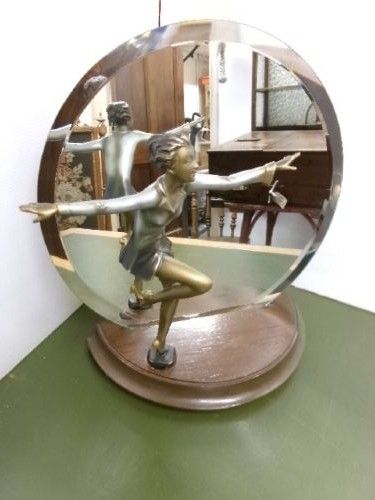
When you search for a bevelled art deco mirror, you encounter wall-hanging plates, dressing table pieces and vanity items spanning the early decades of the twentieth century. The selection leans heavily toward nineteen-thirties production alongside nineteen-twenties variants, with occasional Edwardian precursors appearing in the mix.
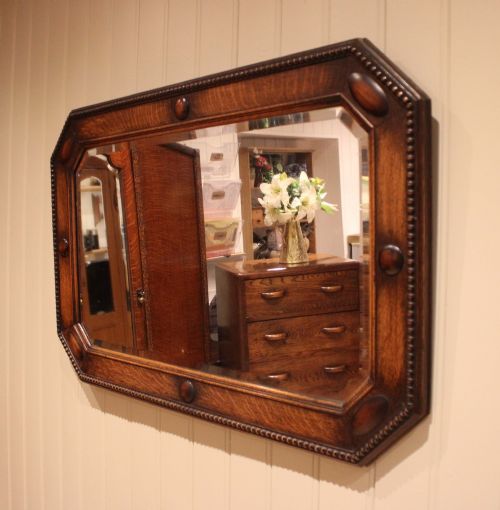
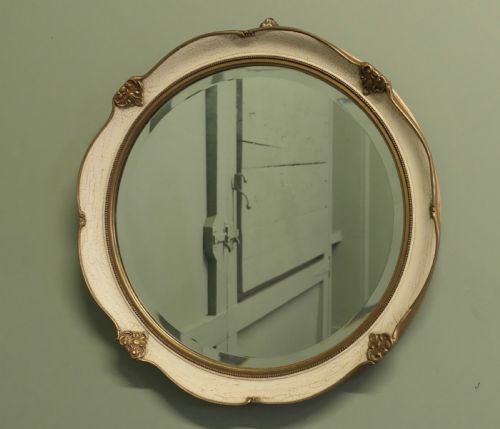
The forms range from circular and octagonal wall mirrors to diamond shapes and triptych dressing mirrors. French examples frequently introduce gilt, cream paint finishes or leather framing into the design.
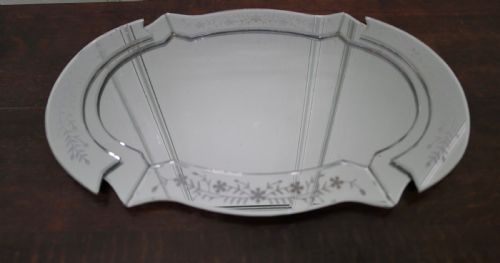
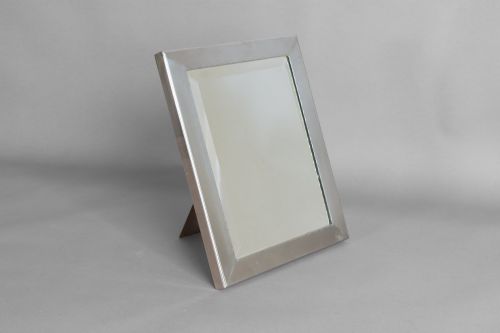
Beyond standard wall mirrors, the category encompasses smaller vanity mirrors with easels, framed picture glass and cocktail trays constructed from mirrored surfaces.
How they were made
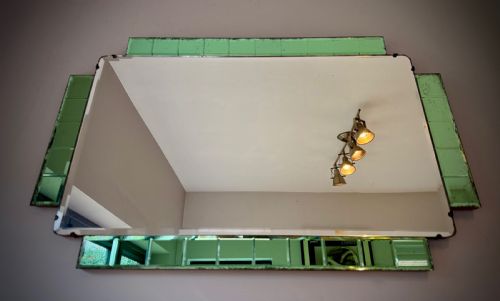
The primary construction combines silvered glass plates with wooden backings, supported by metal mounts in chrome, brass or copper. Glass edges receive a distinct bevel, creating an angled slope that catches the light differently than a flat cut.
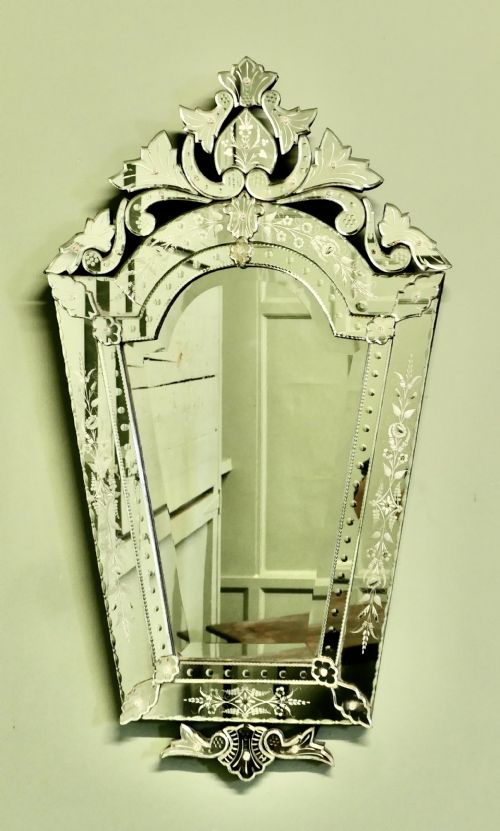
Makers integrated coloured glass panels in peach, green, amber and emerald tones alongside etched motifs and floral barbola ornamentation. Frames incorporate oak, leather, velvet and gilt plaster to structure the reflective plates.
The listings show glass, wood, metal, chrome and silver plate across wall mirrors, trays and dressing table formats.
What varies in quality
The distinction between standard examples and finer pieces rests on the complexity of the glass work and the integrity of the original components. Multi-tone glass assemblies, such as peach and green panel combinations, require precise cutting and jointing.
The survival of original wooden backs, hanging chains and specific hardware marks the upper tier of pieces. Secondary elements like embossed glass details and specialised frame materials separate basic production from exceptional design.
The Bevelled Art Deco Mirror Glossary
- Bevel
- An angled edge ground along the perimeter of a mirror plate. This technique creates a sloped border that refracts light inwards.
- Foxed plate
- Silvered glass showing age-related spots or discoloration where the backing has degraded over decades. This natural oxidation often confirms age.
- Triptych
- A three-panel mirror construction featuring a central plate flanked by two adjustable side wings. These configurations typically appear on dressing tables.
- Barbola
- A decorative plasterwork technique applied in relief around mirror frames, often featuring moulded floral patterns. It gained popularity during the interwar period.
- Cheval mirror
- A full-length dressing glass mounted on a freestanding frame with pivot pins. This allows the plate to tilt at various angles.
Bevelled Art Deco Mirror: Frequently Asked Questions
How do I hang a heavy wall mirror safely?
Check the original wooden backing and hanging chain to ensure structural integrity before mounting. Use appropriate wall fixings that match the weight of the glass and frame.
Distribute the load across secure wall anchors rather than relying on picture wire alone. Ensure the bracket engages fully with the hanging mechanism on the back.
What causes the dark spots on old mirror glass?
Dark spots and fading occur when moisture penetrates the protective backing behind the silver layer over decades. This natural ageing process is often termed foxing.
Such marks indicate genuine age rather than a modern reproduction. Collectors generally accept minor foxing provided the overall reflectivity remains clear.
How do I clean antique silvered glass?
Wipe the surface gently with a soft microfibre cloth slightly dampened with distilled water. Avoid harsh chemical cleaners that can damage the antique silver backing.
Keep moisture away from the edges and the wooden back to prevent further oxidation. Dry the glass immediately after cleaning to prevent streaking.
Are these mirrors suitable for bathrooms?
Bathroom humidity poses a risk to antique wooden backings and original silvered glass. Moisture accelerates the degradation of the reflective coating and causes frame warping.
Dry environments such as hallways, living rooms or bedrooms suit these pieces better. Placement away from direct steam preserves the integrity of the materials.
How can I tell a nineteen-twenties piece from a nineteen-fifties one?
Nineteen-twenties and thirties items typically feature characteristic geometric lines, coloured glass accents and heavy wooden backs. Fifties variants often display lighter frames and different edge treatments.
Examine the construction methods, screw types and backing materials for period consistency. Comparing hardware helps determine the manufacturing era.