

Beveled Wall Mirror
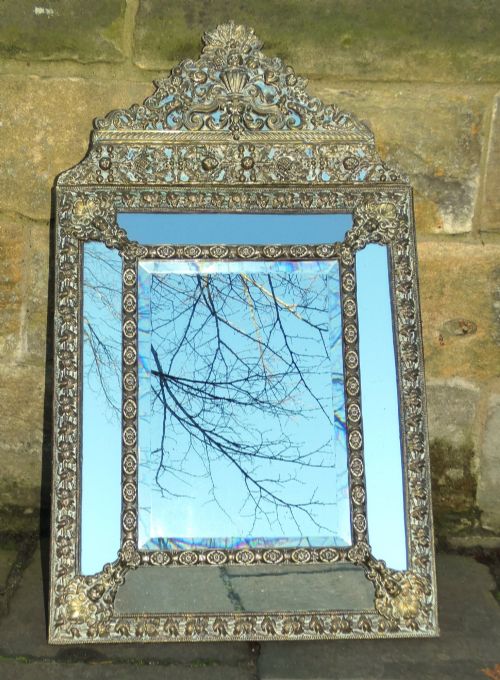
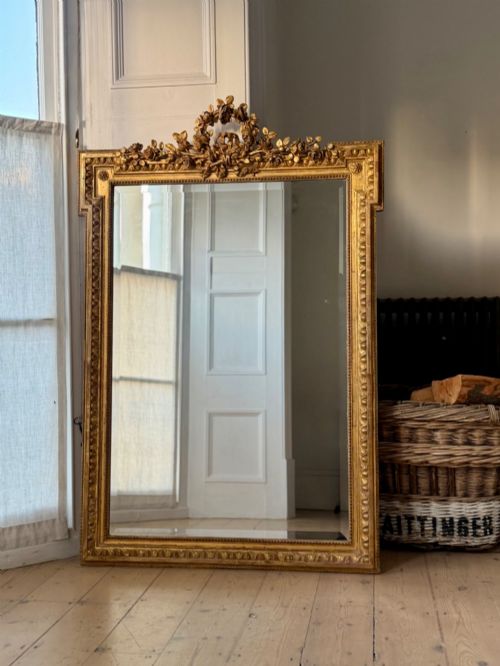
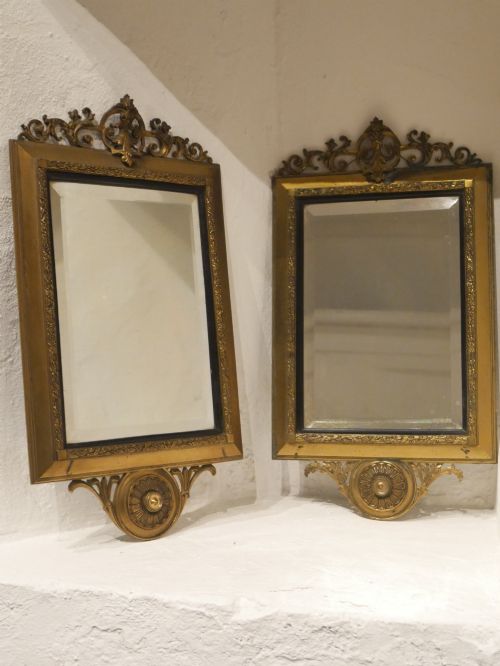
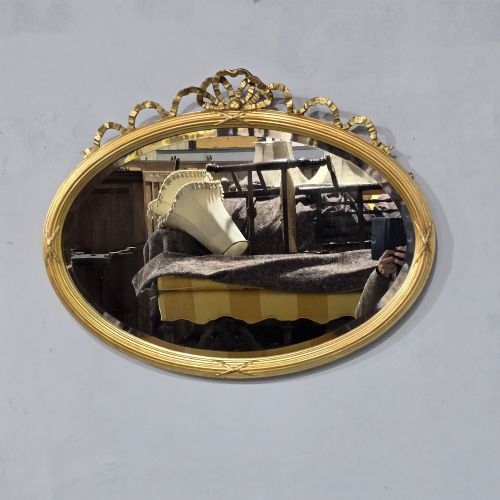
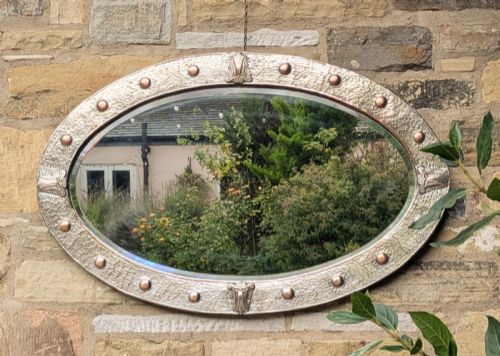
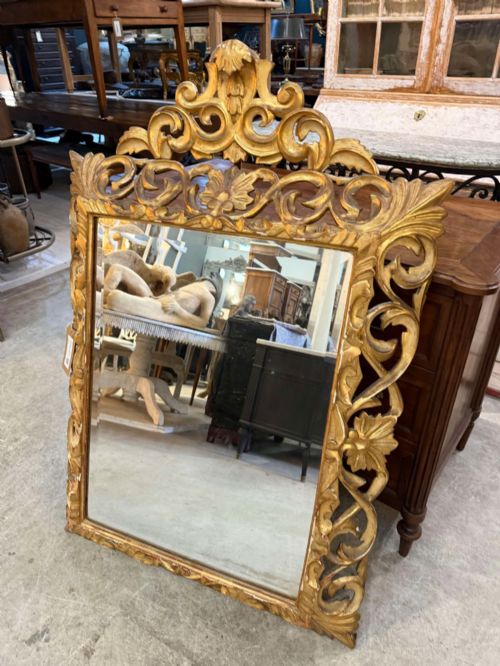
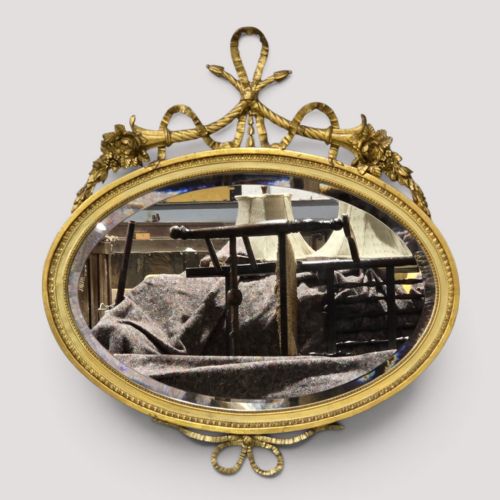
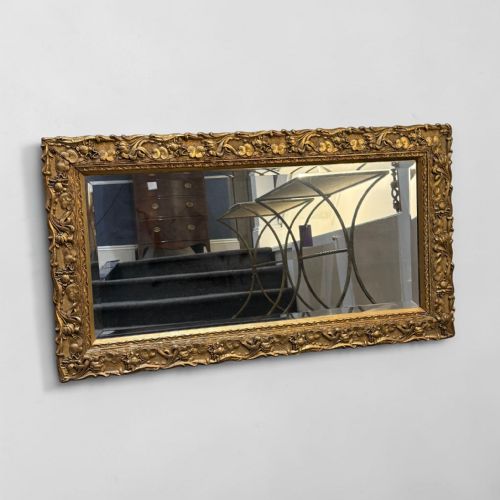
A beveled wall mirror brings depth and refracted light to a room through angled edge work that reflects traditional craftsmanship.
Beveled Wall Mirror
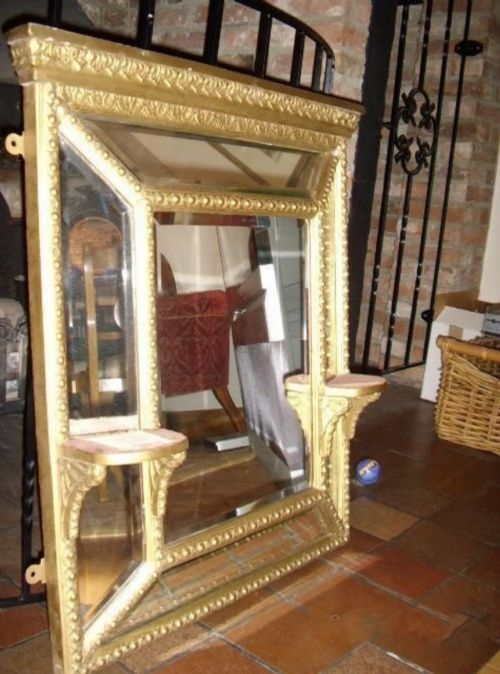
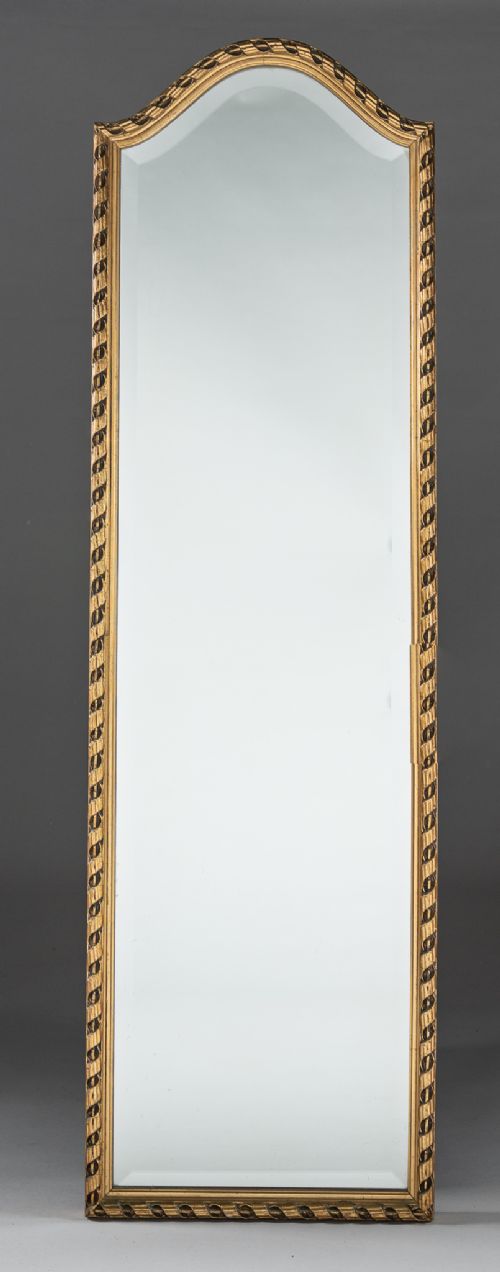
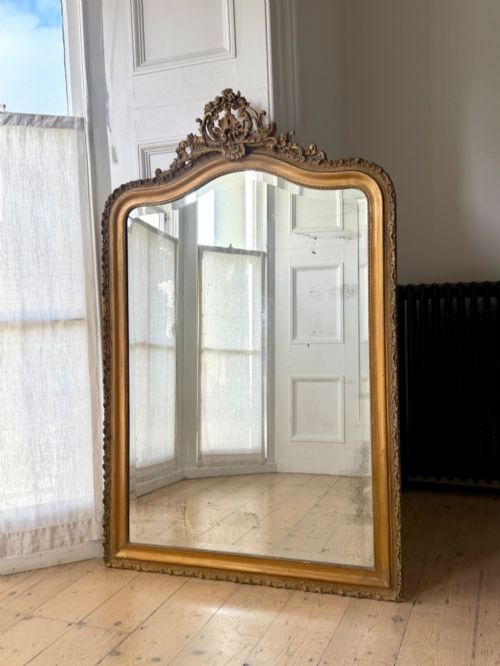
A beveled wall mirror spans periods from the nineteenth century into the twentieth century, taking forms such as overmantle mirrors, wall cabinets, and tall dressing mirrors.
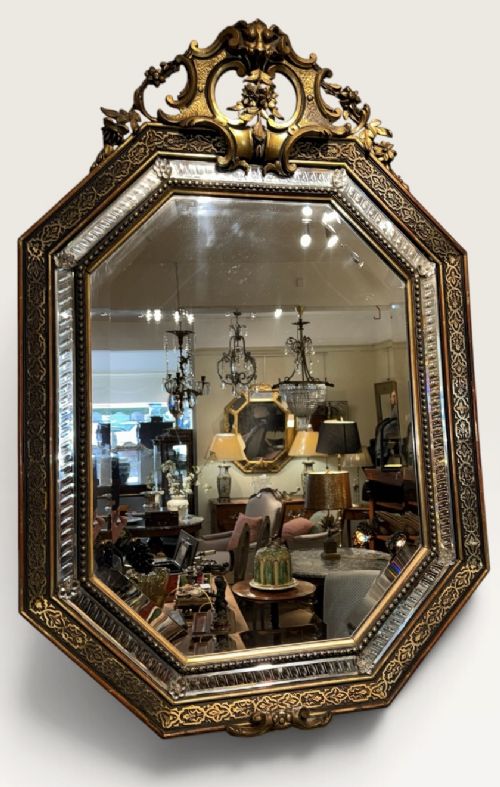
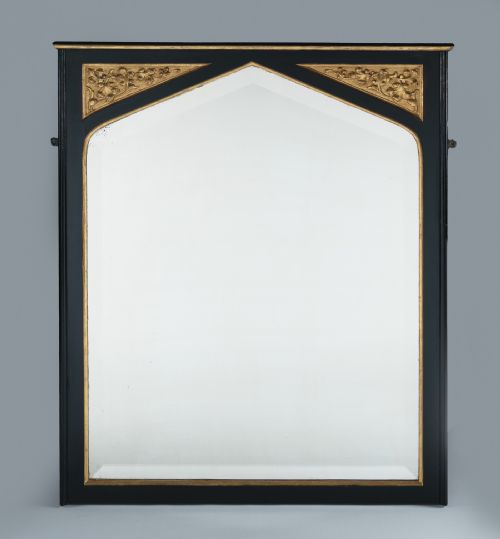
Buyers meet examples shaped by Victorian, Edwardian, Art Deco, and French Rococo Revival styles, alongside simpler oak and walnut frames.
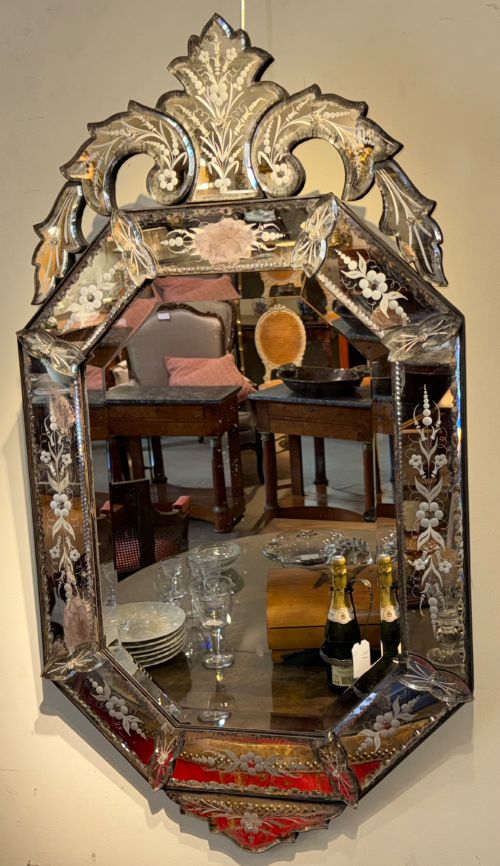
Origins range from English workshops to Venetian glass houses and French ateliers, utilising timber, giltwood, and ebonised finishes.
Materials and construction
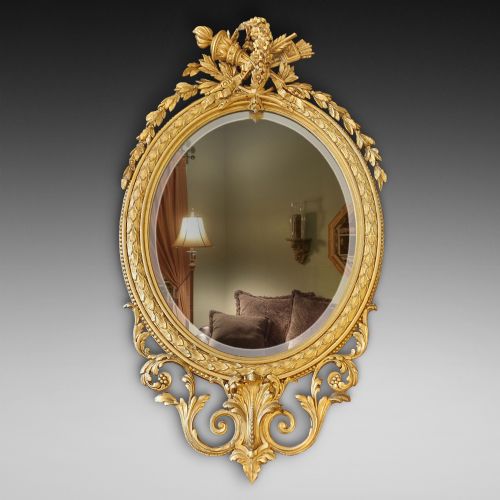
Frames employ carved oak, walnut, and rosewood, alongside giltwood and gesso built up on timber cores and finished with gold leaf.
Mirror glass plates receive hand-ground bevelled edges to create an angled perimeter that catches ambient light.
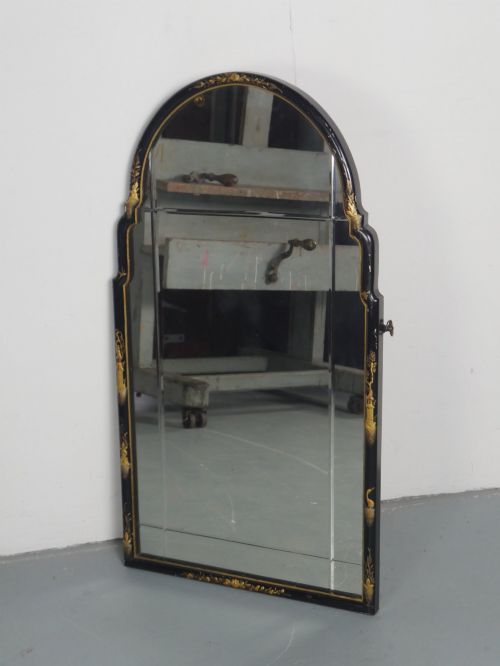
Specialist techniques include water gilding, ebonising, and reverse-painted glass panels known as eglomise.
Beveled Wall Mirror Retail Price Guide 2026
Typical asking prices for beveled wall mirror among the pieces listed under this phrase on Sellingantiques today, from the lower quarter to the upper quarter. They describe what is for sale here now, not the wider market.
Listings feature oak, walnut, rosewood, and giltwood frames housing bevelled glass plates across Victorian and Edwardian periods.
Judging the work
Depth and precision in hand-carved wood ornamentation distinguish finer pieces from mass-produced or simpler mouldings.
The clarity and original integrity of the mirror plate, together with the crispness of the bevel, set superior examples apart.
The quality of the gilding and the preservation of original backing materials reflect the workshop standard of the period.
Waring & Gillow
The Beveled Wall Mirror Glossary
- Bevel
- An angled edge ground along the perimeter of a mirror plate. This technique creates a prismatic light effect and adds considerable depth to the glass.
- Giltwood
- Timber carved and coated with gold leaf or metal leaf. This material defines many formal wall mirrors across the nineteenth century.
- Gesso
- A plaster-like mixture applied to wood frames before gilding. It provides a smooth base for intricate carved detail.
- Eglomise
- A process involving cold painting and gilding on the reverse of glass. It appears frequently on decorative Venetian style frames.
- Overmantle
- A large mirror designed to hang directly above a fireplace mantel. These pieces often feature wide rectangular or arched formats.
Beveled Wall Mirror: Frequently Asked Questions
How do I hang a heavy antique mirror?
Heavy frames require fixings secured directly into wall studs or masonry rather than standard plasterboard hooks.
Using a professional mirror plate or a substantial picture wire matched to the weight ensures safe suspension.
Are antique mirror plates usually original?
Many retain their original glass, which often displays light foxing or minor oxidation spots from age.
Replacement glass is sometimes fitted if the original plate suffered irrecoverable damage over the decades.
How do I clean an old gilt frame?
Dusting gently with a soft, dry brush prevents damage to fragile gesso and gold leaf surfaces.
Moisture and modern chemical cleaners must be avoided entirely to preserve the historic finish.
What defines an Art Deco mirror?
Art Deco pieces favour geometric shapes, multi-tone panels, and frameless constructions without traditional carved wooden borders.
They reflect the modern aesthetic of the nineteen-twenties and nineteen-thirties through clean lines.