




Beige Edwardian Easy Chair
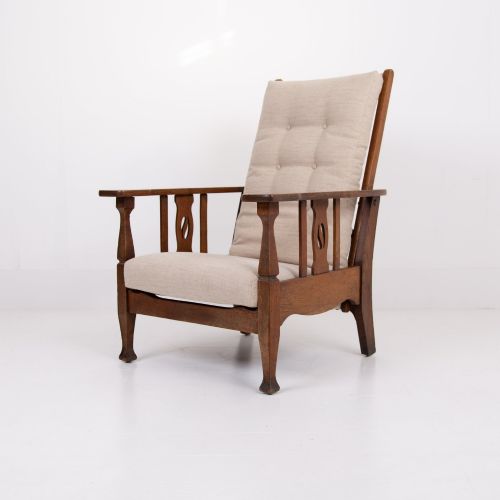
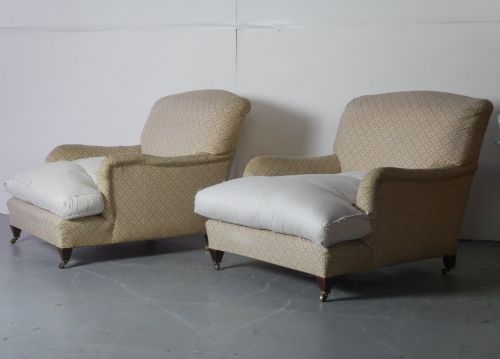
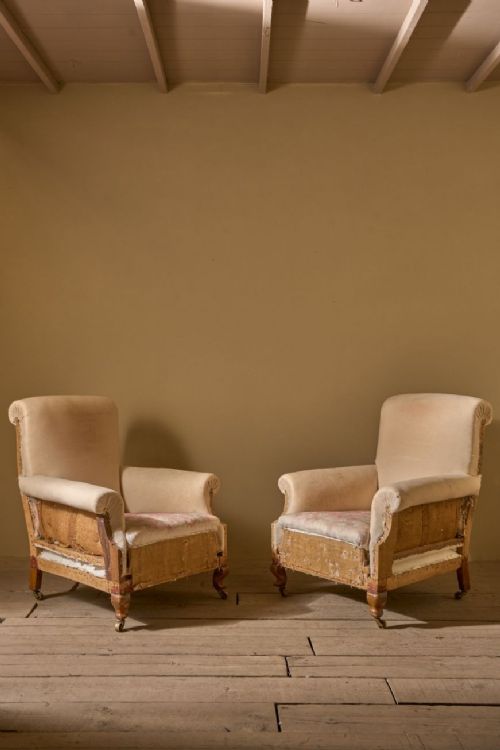
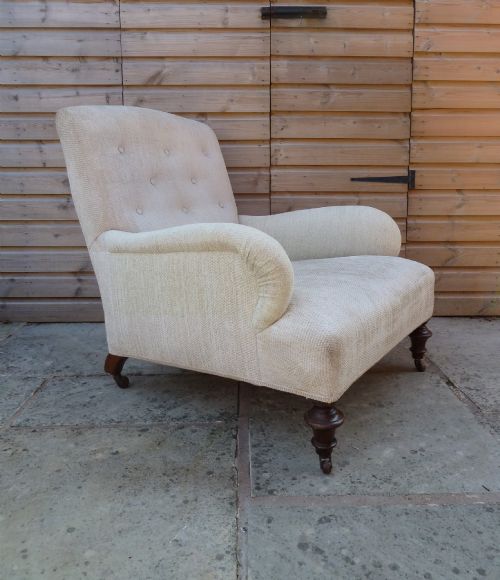
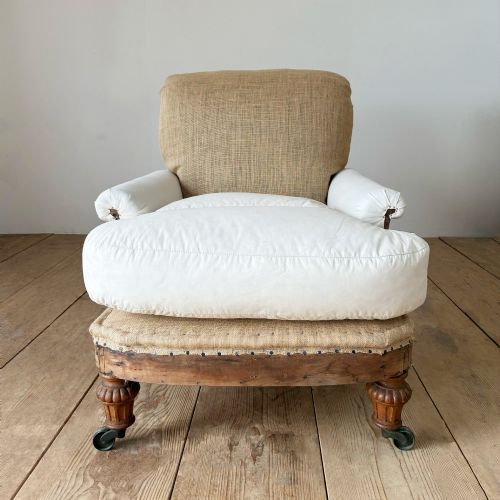
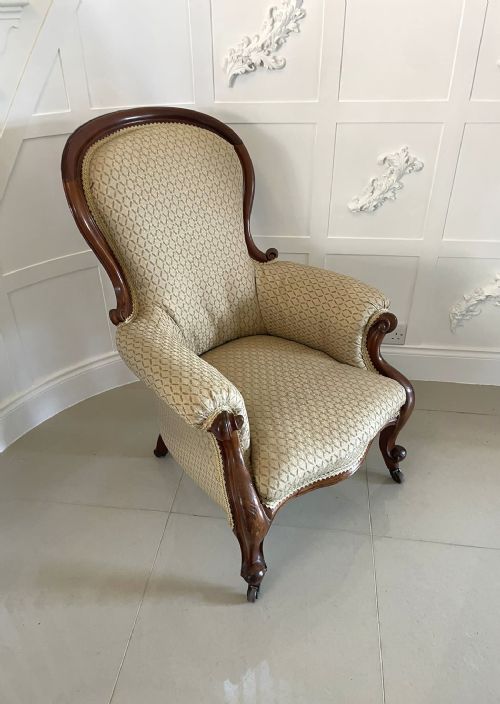
A beige edwardian easy chair brings deep comfort and traditional English country house character into a sitting room.
Beige Edwardian Easy Chair
These seating pieces offer deep proportions and generous padding designed for relaxation in the domestic interior. When searching for a beige edwardian easy chair, buyers encounter traditional forms that originate from the late nineteenth and early twentieth centuries, as well as later interpretations rooted in the same aesthetic.
The selections on this page span several decades and stylistic influences, notably English country house taste and traditional Scottish workshops. Pieces range from grand pairs by notable makers to individual armchairs and slipper chairs upholstered in neutral tones.
Makers such as Whytock and Reid and Gillows appear alongside pieces in the distinct manner of Howard and Sons and Woodstock. Each item reflects the substantial construction methods characteristic of high-end seating from the period.
Materials and construction
The internal frames utilise sturdy timbers such as mahogany and assorted hardwoods, ensuring structural endurance across generations of daily use. Visible wooden components are often shaped from rich mahogany, while concealed structural elements rely on robust framing.
Upholstery materials include traditional fabric coverings, calico interliners, and specialised textiles. Metal components such as brass castors are frequently fitted to the feet for mobility, paired with internal springing systems beneath the padding.
Beige Edwardian Easy Chair Retail Price Guide 2026
Typical asking prices for beige edwardian easy chair among the pieces listed under this phrase on Sellingantiques today, from the lower quarter to the upper quarter. They describe what is for sale here now, not the wider market.
Listings feature pieces spanning the Victorian period through to nineteen thirty, incorporating mahogany and assorted hardwoods.
Assessing quality in period seating
The distinction between standard examples and the finest pieces often lies in the attribution to esteemed cabinet makers and workshops. Pieces bearing documented provenance from firms like Whytock and Reid or Gillows carry particular distinction.
Proportion and execution define the visual success of each chair, from the sweep of a scroll back to the depth of the seat. The integrity of the underlying timber frame and the quality of the traditional upholstery materials dictate the longevity of the piece.
Whytock and Reid·Gillows·Howard and Sons
The Beige Edwardian Easy Chair Glossary
- Scroll back
- A chair design where the top rail and arms curve outward in a tight scroll. This classic profile defines many traditional country house seating forms.
- Slipper chair
- A low-seated upholstered chair originally designed for use in a bedroom. These pieces feature compact proportions without sacrificing comfort.
- Calico
- A plain-woven cotton fabric used historically as an under-upholstery layer. It provides a tight foundation before the final decorative textile is applied.
- Hardwood
- Dense timber derived from broad-leaved trees, utilised for chair frames. Mahogany is a prime example frequently found in these pieces.
Beige Edwardian Easy Chair: Frequently Asked Questions
How do I identify an Edwardian armchair?
Edwardian armchairs typically feature deep seats, generous padding, and traditional upholstery designed for comfort. They often incorporate stylistic influences from earlier Victorian designs or country house aesthetics.
Examination of the frame materials and upholstery techniques helps confirm the period. Many examples display refined woodwork combined with substantial sprung seating.
What is a country house style armchair?
Country house style armchairs are characterised by relaxed, deep-seated proportions intended for informal domestic spaces. They prioritise physical ease while maintaining traditional craftsmanship.
These chairs often utilise neutral fabrics like calico or linen blends to complement historic interiors. Their design emphasises understated elegance over formal stiffness.
How should I care for vintage upholstery?
Gentle surface cleaning and regular rotation help preserve vintage fabric and internal padding. Protecting the textiles from direct sunlight prevents fading of neutral tones.
Professional conservation of the internal springing and frame ensures the chair remains supportive. Avoid harsh chemical cleaners on antique fabrics.
Where were these armchairs used historically?
These seating pieces were principal furnishings in drawing rooms, libraries, and bedrooms of large residences. Their comfortable proportions made them ideal for reading and long periods of rest.
Pairs were frequently arranged around fireplaces or within bay windows to create conversation areas. Smaller variations like slipper chairs served private chambers.