

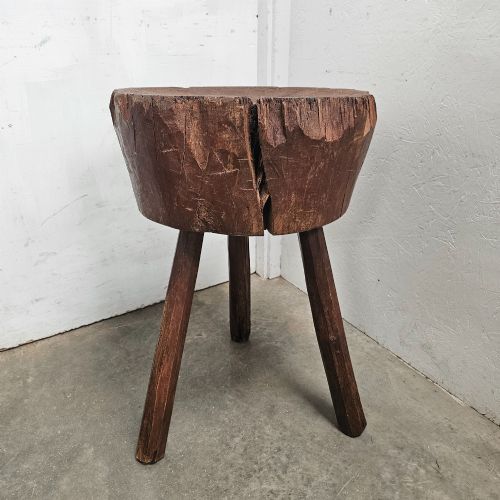


Beech Wood Table
These beech wood table pieces offer sturdy utility and honest timber grain, built to last through decades of daily family life.
Beech Wood Table
A beech wood table brings robust utility into domestic spaces, appearing across dining rooms and kitchens in numerous vernacular forms. When exploring a beech wood table, buyers encounter durable surfaces shaped by centuries of practical domestic requirements.
The selections here span periods from the nineteenth century through the mid twentieth century, drawing on diverse influences such as rustic farmhouse, French provincial, and campaign styles. Dining tables, side tables, and occasional tables dominate the selection, alongside specialised chopping blocks and sewing boxes.
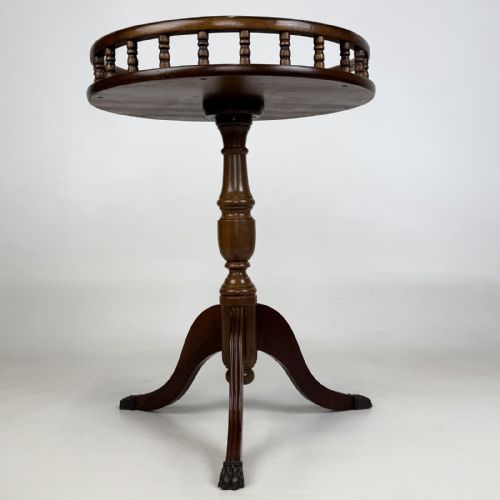
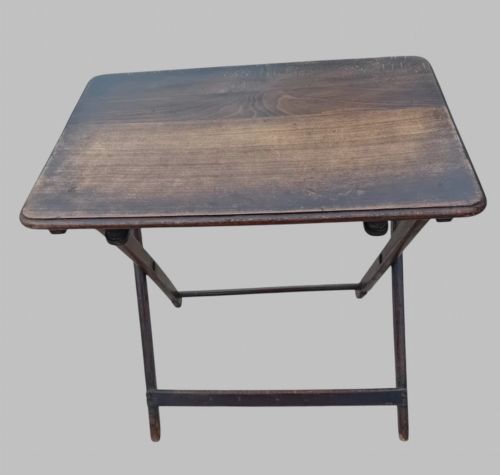
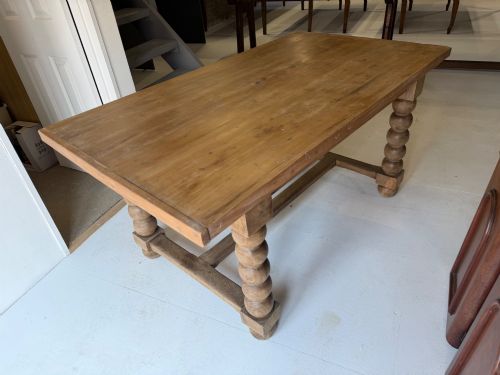
Most pieces likely encountered on this page date from the nineteenth century or the early decades of the twentieth century. These embrace forms like two plank farmhouse tables, tripod tables with raised galleries, and folding designs utilising bamboo turned frames.
How they were made
Construction relies heavily on solid beech timber, frequently partnered with oak, pine, or plywood for secondary structural elements. Makers shaped these dense hardwoods using traditional joinery methods suited to hard daily wear.
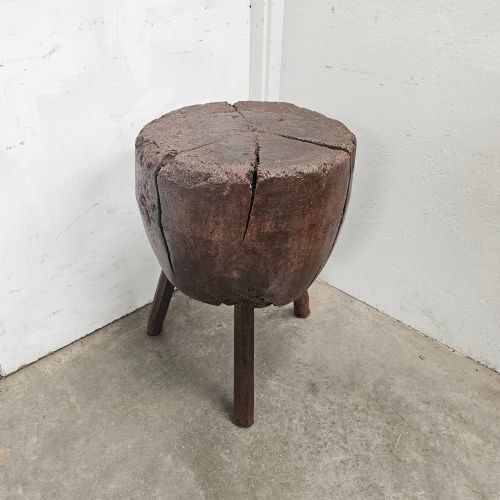
Surface treatments range from natural waxed timber finishes to old painted surfaces and patinated game blocks. Metal components like brass and steel appear on campaign folding mechanisms and structural supports, adding functional resilience.
Turning and shaping techniques produced distinctive structural details, including bobbin legs, faux bamboo mouldings, and raised galleries. Artisans built these pieces primarily for hard work, prioritizing structural integrity above decorative excess.
Beech Wood Table Retail Price Guide 2026
Typical asking prices for beech wood table among the pieces listed under this phrase on Sellingantiques today, from the lower quarter to the upper quarter. They describe what is for sale here now, not the wider market.
Listings span the nineteenth century up to nineteen fifty, incorporating materials such as steel, brass, paint, and plywood alongside solid beech.
What varies in quality
Quality differences stem from the original purpose of the piece and the integrity of its timber construction. Heavy utilitarian objects like butchers blocks and artisans workbenches show the marks of genuine industrial toil, whereas formal console tables and occasional pieces display finer joinery.
The sophistication of the turning and the harmony of mixed materials dictate the upper tiers of the range. Tables combining beech with oak or incorporating brass campaign hardware demonstrate thoughtful design beyond basic utility.
The Beech Wood Table Glossary
- Campaign style
- Portable furniture designed for military officers on the move, typically featuring folding frames and recessed brass fittings.
- Bobbin legs
- Turned furniture legs characterised by a series of rounded, spool shaped protuberances reminiscent of thread bobbins.
- Butchers block
- A thick, heavy wooden block or table top designed for heavy food preparation, usually constructed from end grain timber.
- Raised gallery
- A low wooden rim or rail built around the upper edge of a table top to prevent items from rolling off.
- Primitive country
- Unpretentious domestic furniture made by local craftsmen using available regional timber without formal stylistic constraints.
Beech Wood Table: Frequently Asked Questions
What is a beech wood table used for?
These tables served various domestic and working purposes, ranging from farmhouse dining to kitchen preparation and sewing.
Buyers often select them today to bring practical surface space and historical character into modern kitchens or living areas.
How do I care for a beech wood table?
Maintain the timber surfaces by applying natural beeswax periodically to nourish the grain and protect against moisture.
Avoid placing solid wood furniture in direct sunlight or near sudden heat sources to prevent timber movement.
How can I tell the period of a beech wood table?
Dating relies on examining construction methods, tool marks, and stylistic clues such as turned bobbin legs or campaign folding joints.
Comparing the timber patination and secondary woods helps place a piece within the nineteenth or twentieth century.
Are folding beech tables sturdy?
Folding mechanisms from the nineteenth and early twentieth centuries utilised robust hinges and clever braces designed for reliable movement.
These pieces offer practical versatility without sacrificing the structural stability required for daily use.