






Bedroom Footstool
A bedroom footstool provides a neat resting place for feet or a convenient seat beside a dressing table.
Bedroom Footstool
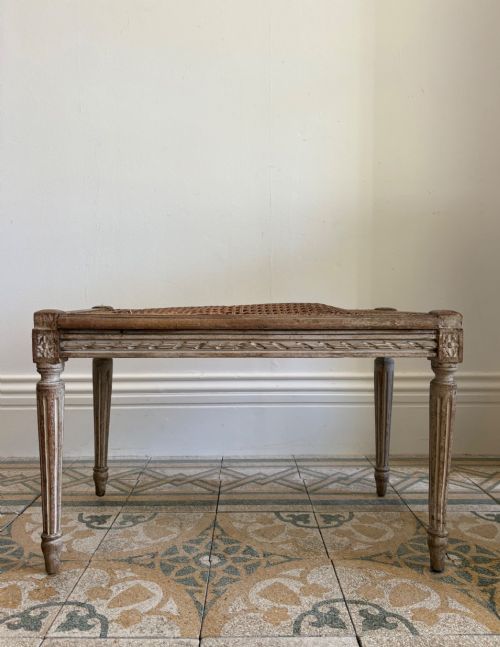
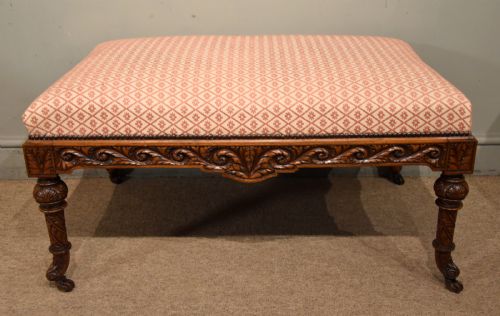
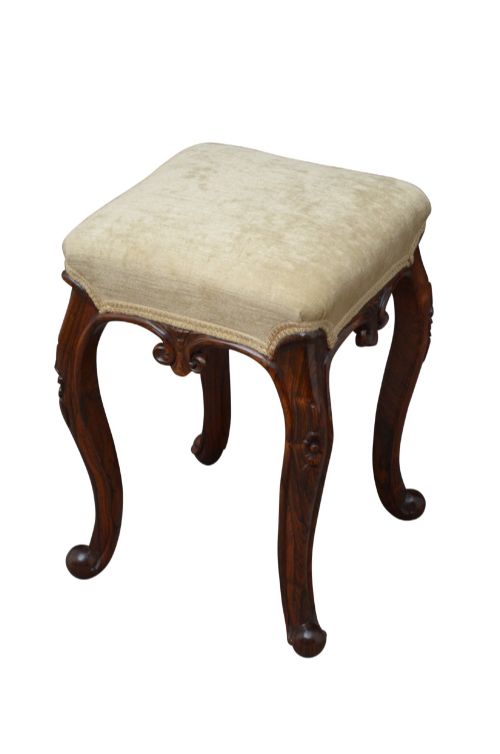
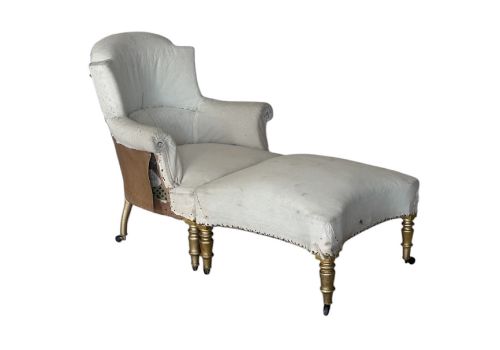
A bedroom footstool sits low to the floor, often accompanying a dressing table or resting at the foot of a bed in period interiors. You encounter Victorian mahogany and rosewood dressing stools most frequently on this page, alongside various ottomans and long benches.
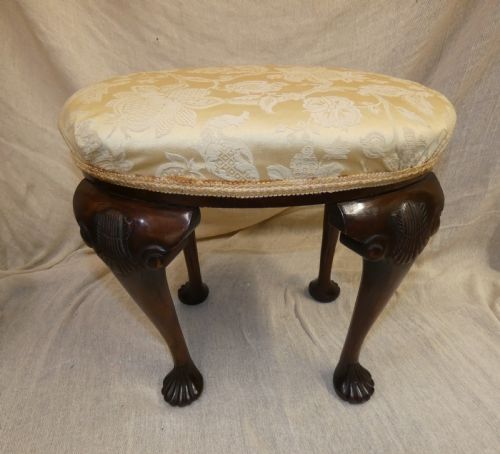
The forms span compact rectangular stools with cabriole legs to larger upholstered ottomans and X-frame supports. Many examples date from the nineteenth century, reflecting the Victorians' fondness for dedicated seating in private chambers.
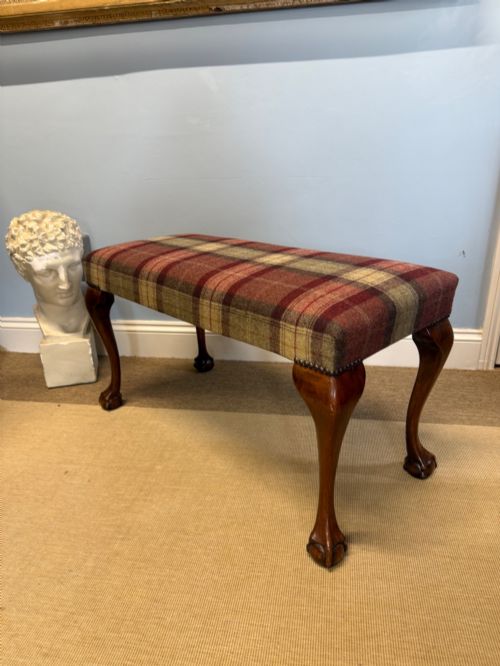
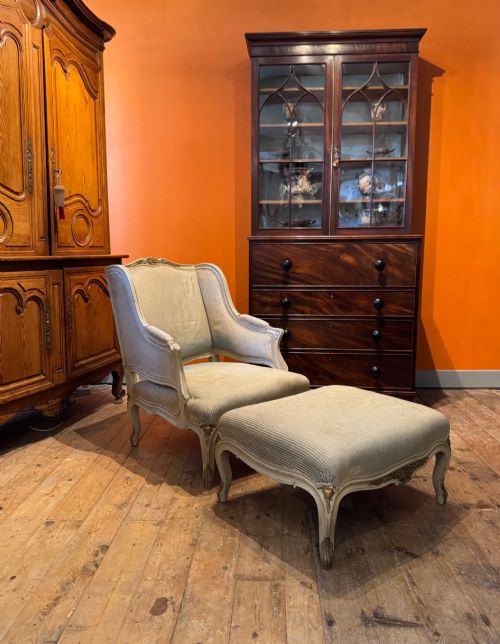
Makers occasionally drew upon earlier aesthetics, producing pieces in Georgian and Queen Anne styles, or French Louis XV designs with painted finishes. These low seats combine practical utility with decorative woodwork and upholstery.
Materials and technique
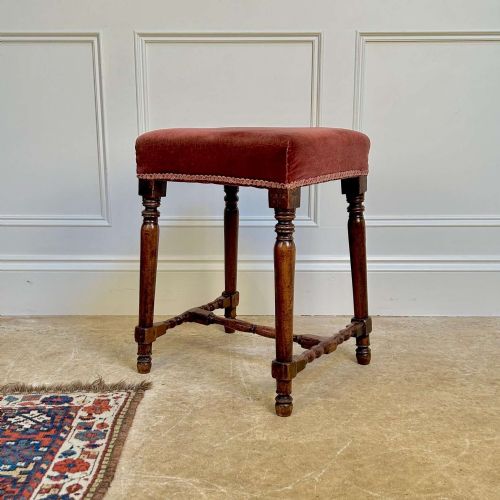
Cabinet makers utilised dense hardwoods such as mahogany, walnut and rosewood for the frames, often shaping the timber into cabriole legs or cross stretchers. Less common timbers like goncalo alves and satin birch also appear among the listed items.
The upholstery technique relies on fabric, tapestry, chenille or needlepoint textiles stretched over padding. Details such as deep buttoning, turned twist legs and ball and claw carved feet demonstrate traditional workshop methods.
Bedroom Footstool Retail Price Guide 2026
Typical asking prices for bedroom footstool among the pieces listed under this phrase on Sellingantiques today, from the lower quarter to the upper quarter. They describe what is for sale here now, not the wider market.
What varies in quality
The distinction between ordinary and superior pieces rests upon the crispness of the timber carving and the choice of dense cabinet woods. Heavier hardwoods and robust frame construction indicate a higher standard of original manufacture.
Upholstery choices and the preservation of original fabric or paint surfaces dictate the visual impact of the stool. Pieces retaining well-executed needlepoint, original chenille or carefully restored woodwork command greater attention from collectors.
Harry and Lou Epstein·James Shoolbred
The Bedroom Footstool Glossary
- Cabriole leg
- A furniture leg that curves outward at the knee and tapers inward toward the foot, inspired by animal limbs. This form is common on eighteenth-century and Victorian seating.
- Ottoman
- A low, upholstered seat or box with no back or arms, frequently used for storage or resting feet at the end of a bed. These often feature deep buttoned fabric.
- X-frame
- A structural base formed by two intersecting diagonal members resembling the letter X. This design provides sturdy support for dressing stools and window seats.
- Chenille
- A fuzzy tufted fabric often utilised for upholstery in nineteenth-century interiors. It offers a tactile surface texture well suited to bedroom seating.
Bedroom Footstool: Frequently Asked Questions
Where should I place a bedroom footstool?
A bedroom footstool fits comfortably in front of a dressing table to serve as a seat during morning routines. Alternatively, position one at the foot of a bed or beside a wardrobe for a practical resting spot.
Smaller stools also suit corners or dressing rooms where floor space is limited. Their low profile ensures they remain unobtrusive while adding character to the room.
How do I identify a Victorian dressing stool?
Victorian dressing stools typically feature dense timbers like mahogany or rosewood combined with turned legs or carved cabriole supports. Many incorporate upholstered tops covered in needlepoint, tapestry or fabric.
Inspect the joinery underneath and look for signs of hand-turned wood to confirm nineteenth-century production. Sturdiness and traditional construction methods are hallmarks of this period.
What is the difference between a stool and an ottoman?
A stool generally functions purely as a seat or footrest, standing on open legs with a fixed upholstered top. An ottoman often includes a hollow interior accessed by lifting the lid, serving a dual purpose for storage.
Ottomans tend to be larger and heavier, frequently featuring deep buttoned upholstery across a box frame. Both pieces share low proportions suited to bedroom placement.
Can I use a footstool as extra seating?
Sturdy antique footstools and dressing stools easily accommodate sitting for short periods. Solid hardwood frames and tight upholstery provide sufficient support for daily use in a bedroom or dressing room.
Ensure the frame joints remain firm before regular sitting. Lighter decorative pieces are better reserved for resting feet rather than heavy daily seating.