





Bayonet Cap Spirit Flask
A bayonet cap spirit flask is a pocket container designed for liquor, combining secure closure with portability.
Bayonet Cap Spirit Flask
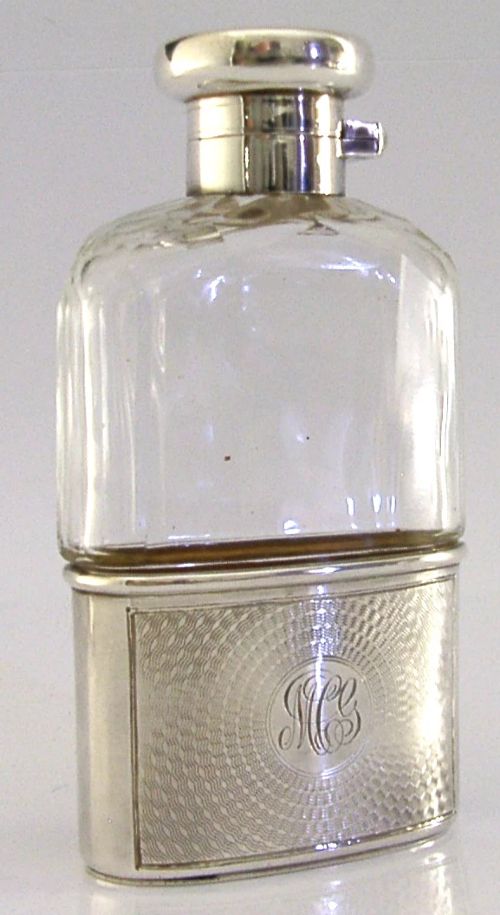
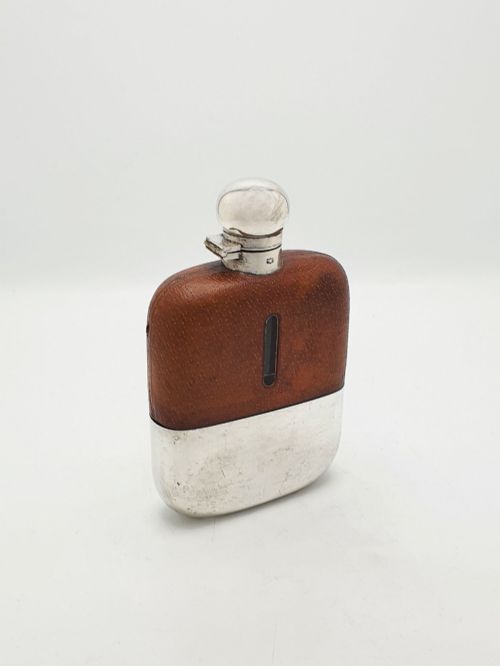
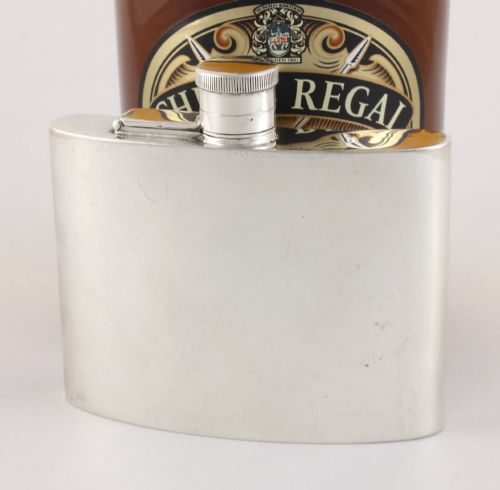
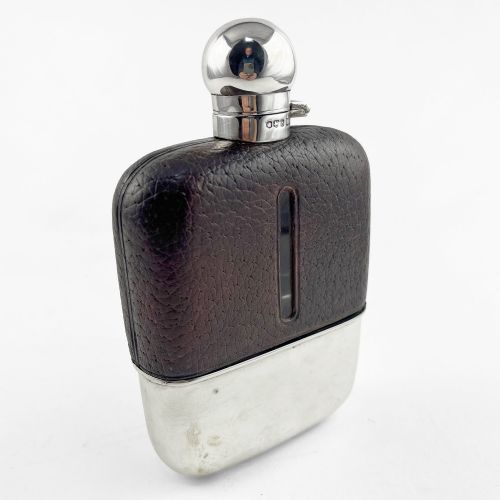
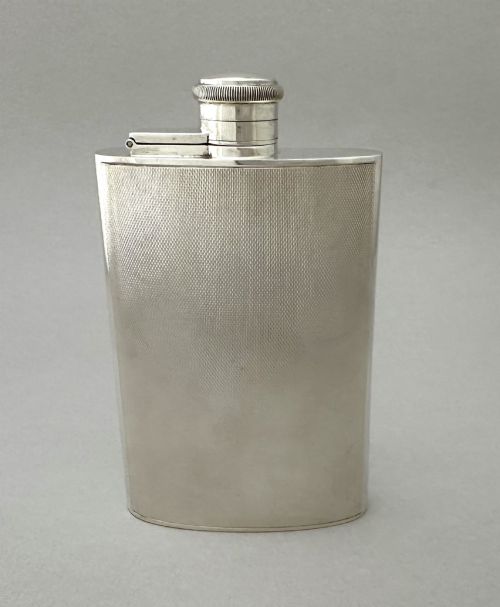
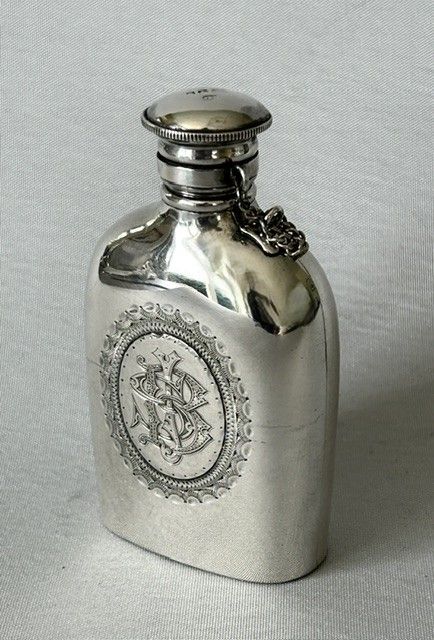
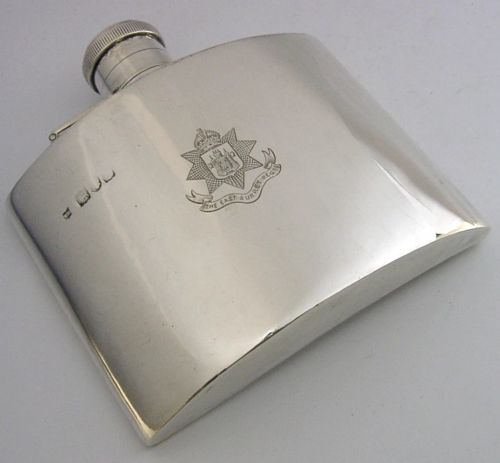
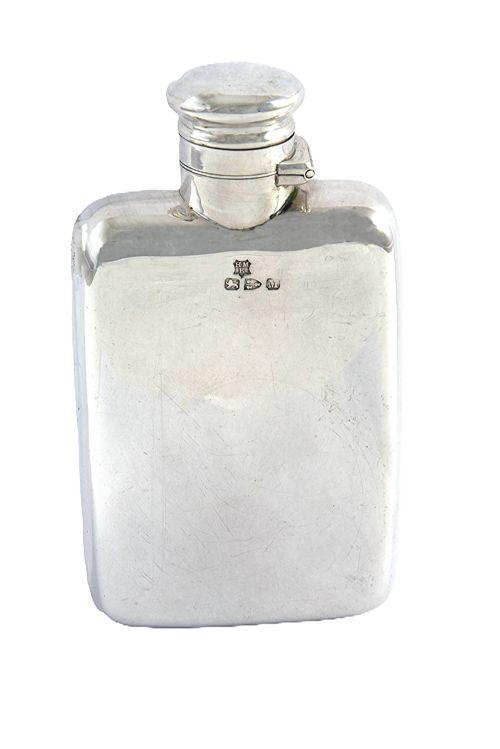
A bayonet cap spirit flask is a pocket vessel designed for carrying liquor securely during travel or outdoor pursuits. The examples seen here span the Victorian, Edwardian, and Art Deco periods, encompassing dates from the late nineteenth century into the 1930s. Buyers searching for a bayonet cap spirit flask will encounter various forms, including all-metal pocket pieces and combination vessels featuring cut glass bodies.
Most pieces on this page are structured as hip flasks or barware items, designed to follow the curve of a pocket or sit comfortably in the hand. Materials range from solid sterling silver and silver plate to glass wrapped in crocodile leather or crocodile skin. The mechanism that defines them uses a twist-and-lock cap rather than a standard screw thread, ensuring a tight seal against leaks.
What Varies in Quality
Quality in these flasks is determined by the weight and thickness of the silver used in the body and the cap mechanism. Heavier gauge metal resists denting during daily pocket use, whereas thinner plates show wear more readily. The precision of the bayonet fitting distinguishes finer pieces, operating with a smooth quarter-turn rather than sticking or feeling loose.
The integration of decorative elements also affects the standard of a piece. Hand-cut glass with deep, sharp facets demonstrates superior craftsmanship compared to plain or pressed glass variants. Similarly, the condition and stitching of organic coverings like crocodile leather dictate how well a flask has survived decades of handling.
Bayonet Cap Spirit Flask Retail Price Guide 2026
Typical asking prices for bayonet cap spirit flask among the pieces listed under this phrase on Sellingantiques today, from the lower quarter to the upper quarter. They describe what is for sale here now, not the wider market.
Listings feature items spanning the Victorian, Edwardian, and Art Deco styles, with manufacturing dates concentrated between 1880 and 1939.
William Neale·JB Chatterley and Sons·Asprey·James Dixon
The Bayonet Cap Spirit Flask Glossary
- Bayonet cap
- A closure mechanism that locks with a push and a twist rather than a screw thread. This design allows for rapid opening and a secure seal.
- Removable cup
- A metal casing fitted to the base of a flask that slides off for drinking. It often bears matching hallmarks to the main body.
- Hallmark
- A stamp or series of marks applied by an assay office indicating metal purity, the maker, and the year of manufacture. British sterling silver pieces typically show these near the rim.
- Cut glass
- Glass shaped by grinding and polishing wheels to create geometric patterns. This material allows the level of the spirit inside to remain visible.
- Silver plate
- A base metal coated with a thin layer of silver. This technique offered a more affordable alternative to solid sterling silver.
Bayonet Cap Spirit Flask: Frequently Asked Questions
What is a bayonet cap?
A bayonet cap is a secure closure mechanism that locks into place with a short push and a twist. It prevents accidental leaks while allowing the user to open the flask quickly.
This design was favoured for travel flasks because it remained reliable during movement and outdoor activities.
How do I date a silver flask?
You can date a silver flask by examining the hallmarks stamped into the metal near the neck or rim. These marks include symbols for the assay office, metal standard, and a specific letter corresponding to the year of manufacture.
Style indicators such as Art Deco geometric lines or Victorian chased decoration also help narrow down the production decade.
Were these flasks used for spirits?
These vessels were designed specifically to carry personal supplies of whisky, brandy, or other spirits while travelling, hunting, or attending sporting events. Their pocket-friendly curves allowed them to be carried discreetly.
Many included a removable cup at the base so the owner could pour a drink away from home.
Why do some flasks have leather?
Flasks were wrapped in crocodile leather or skin to provide a secure, non-slip grip when held in cold or wet conditions. The organic texture also softened the outline of the metal inside.
This combination of materials was particularly popular during the Edwardian and Victorian eras for outdoor pursuits.