

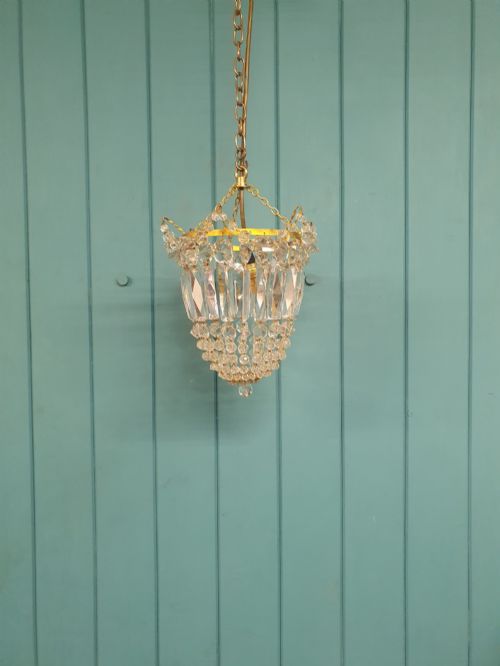
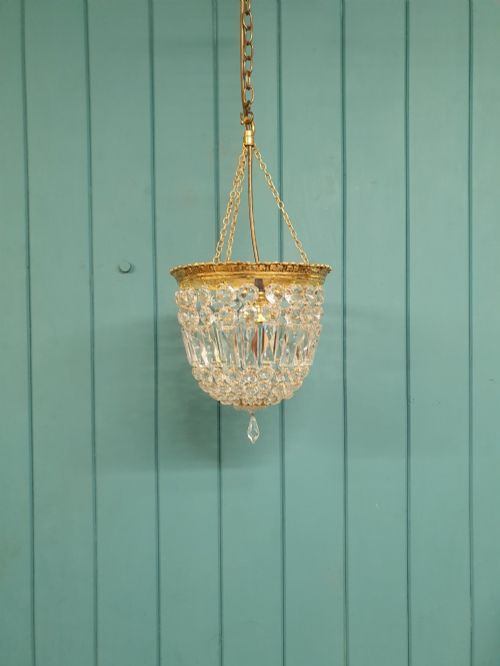
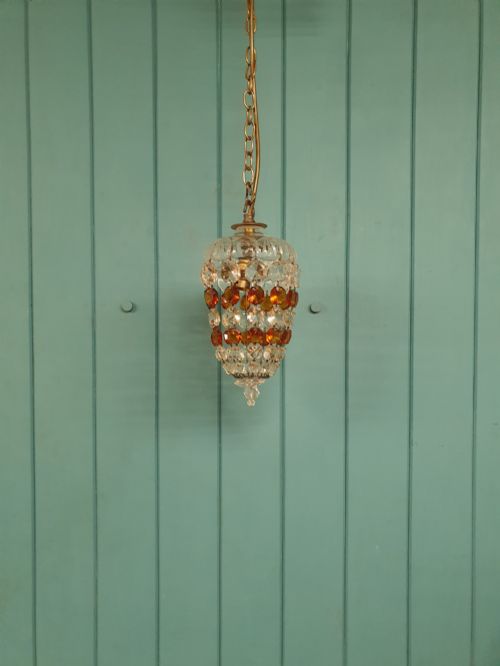
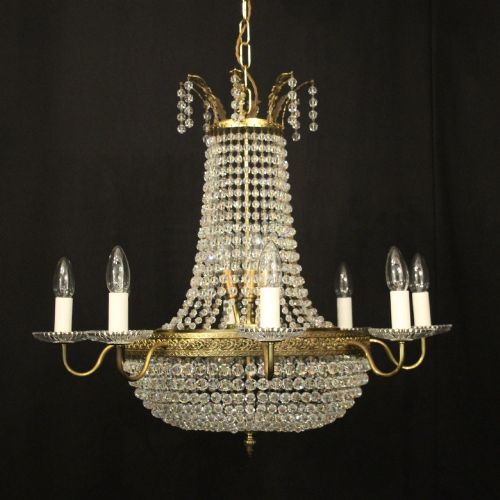
Basket Ceiling Light
A basket ceiling light brings structured sparkle to a room, framing glass and crystal within brass or gilt frames.
Basket Ceiling Light
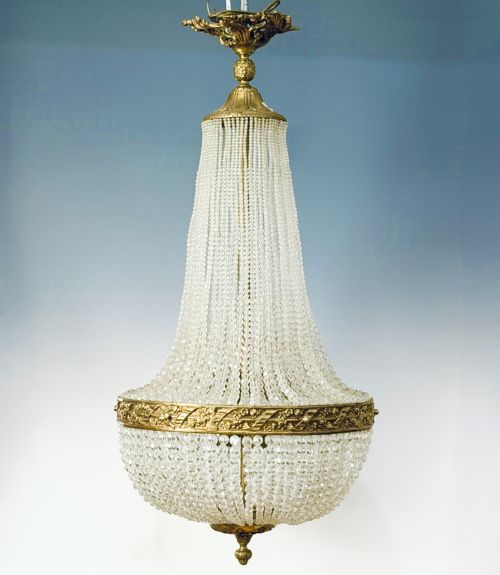
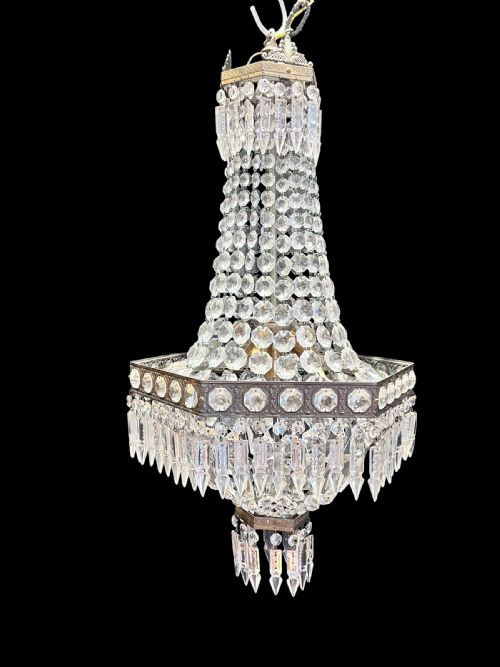
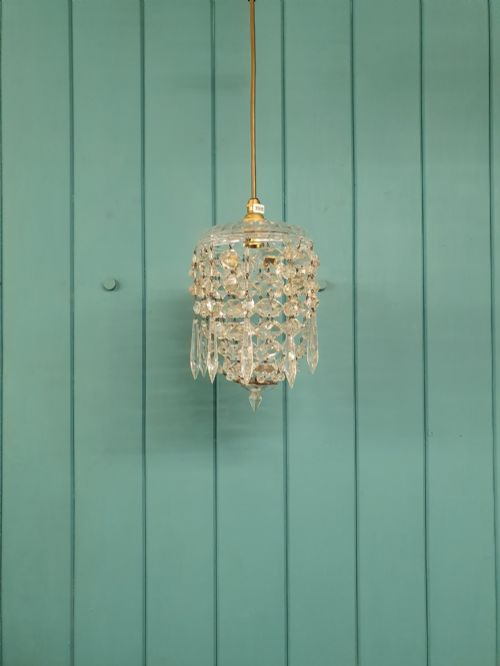
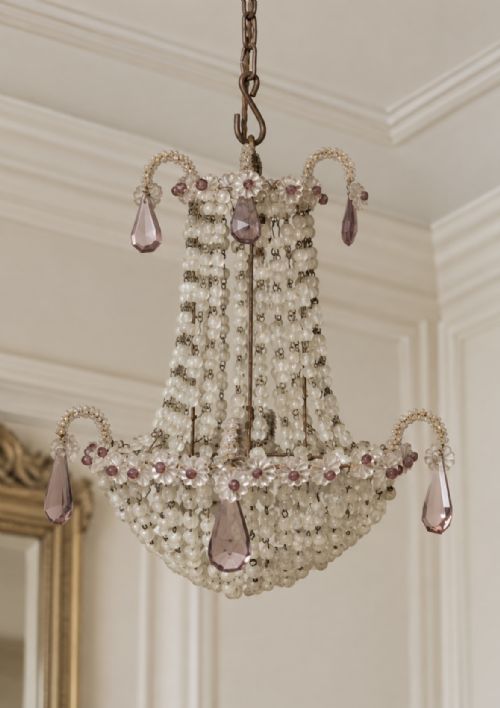
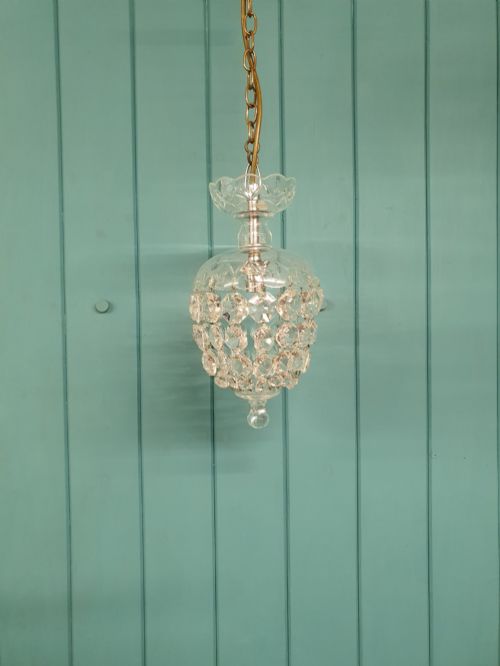
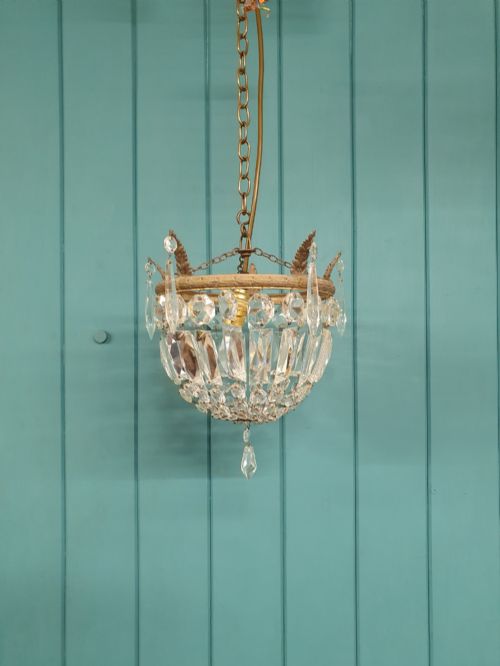
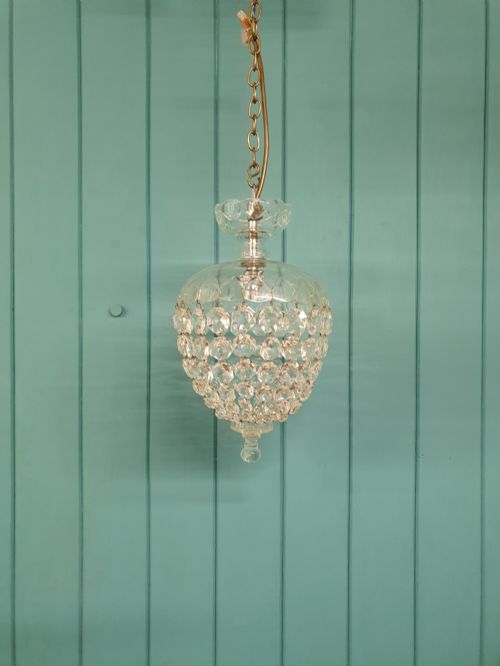
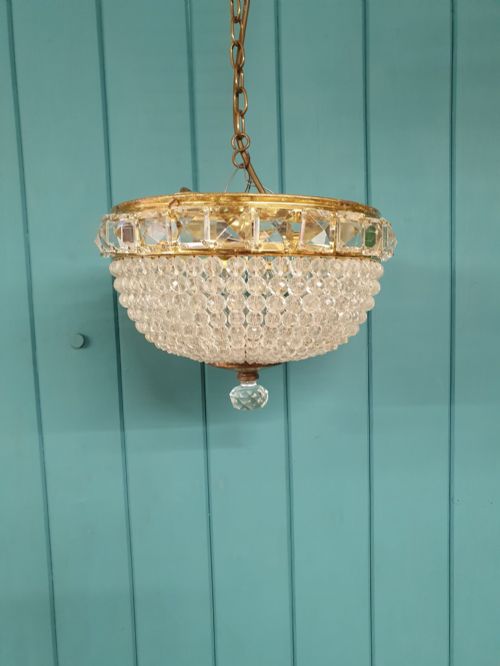
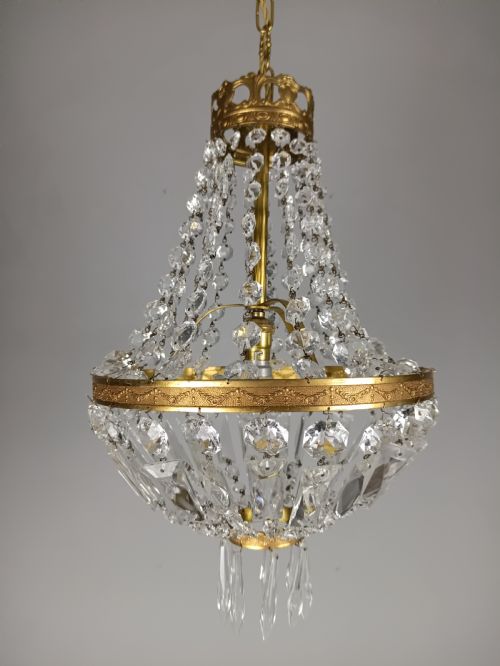
A basket ceiling light is primarily encountered in Edwardian and early 20th century iterations, spanning the 1900s through the 1930s. These pieces draw heavily on French Empire, Regency, and Louis Revival styles, manifesting as bag chandeliers, dome top lights, and structured crystal baskets.
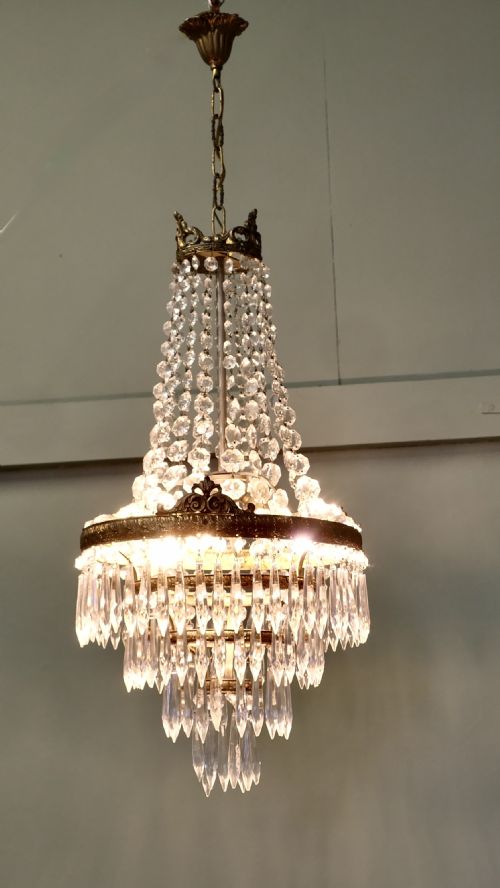
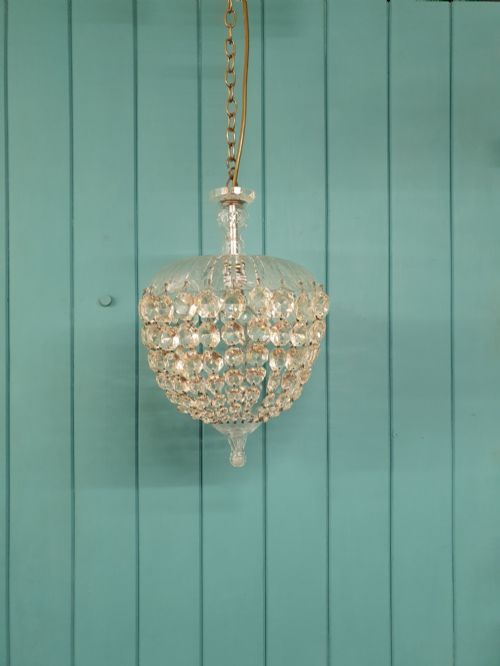
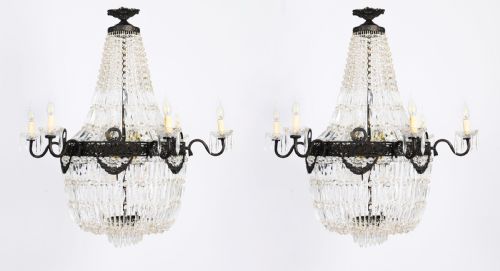
The dominant forms on this page include compact bag chandeliers measuring modest diameters alongside larger tent and waterfall configurations. Many examples integrate brass mounts with detailed beadwork and hanging prisms.
Origins stretch across French chateau aesthetics and Italian Venetian designs, bringing formal period illumination into domestic spaces. A buyer searching for a basket ceiling light will find both single light fixtures and multi-bulb ballroom chandeliers.
Distinctions in quality
Quality reveals itself in the density and cut of the crystal rather than the sheer scale of the fixture. Fine examples utilise hand-cut glass prisms that refract light cleanly through structured tent and bag formations.
The integration of the brass or gilt frame dictates the longevity and visual cohesion of the piece. Superior basket ceiling lights maintain robust metalwork that securely bears the weight of extensive crystal beadwork without sagging.
Basket Ceiling Light Retail Price Guide 2026
Typical asking prices for basket ceiling light among the pieces listed under this phrase on Sellingantiques today, from the lower quarter to the upper quarter. They describe what is for sale here now, not the wider market.
Listings feature pieces spanning the 1900s, Edwardian period, and the 1930s, constructed from brass, gilt brass, and cut crystal glass.
The Basket Ceiling Light Glossary
- Bag chandelier
- A light fixture featuring a rounded or tapered lower section composed of dense glass beads resembling the shape of a small bag.
- Tent and waterfall
- A chandelier style where upper strings of beads form a tent shape above a cascading waterfall of glass prisms.
- Coffin prisms
- Elongated, flat-backed glass pendants with pointed ends that hang from the perimeter of the chandelier.
- Gilt brass
- Brass metal treated with a thin layer of gold or gold-coloured finish to enhance its decorative sheen.
- Prisms
- Cut glass or crystal pendants suspended from the frame to refract and scatter light across the room.
Basket Ceiling Light: Frequently Asked Questions
How do I hang a basket ceiling light?
These fixtures suspend from the ceiling using a central chain or direct brass mount attached to wiring in the ceiling rose. Weight varies according to the amount of crystal and metal used, requiring secure anchorage to a ceiling joist.
Professional installation is recommended due to the delicate nature of the hanging glass prisms and beads. Ensure the hanging height allows adequate clearance beneath the lowest tier of crystals.
What rooms suit a basket ceiling light?
Compact basket ceiling lights measuring smaller diameters work well in hallways, bedrooms, or smaller reception spaces where downward illumination is needed. Larger tent and waterfall configurations suit formal dining rooms or high-ceilinged spaces.
The reflective qualities of the cut glass and crystal help brighten rooms with limited natural light. They pair naturally with period interiors referencing Edwardian or French Empire design schemes.
How do I clean the crystal prisms?
Regular maintenance involves dusting the glass components gently with a soft cloth or specialised wand while the light is switched off and cool. For a deeper clean, individual crystals can be wiped with a mild cleaning solution while attached to the frame.
Avoid using harsh chemical sprays that might damage the brass mounts or gilt finishes. Keeping the prisms clean maximises the light refraction characteristic of these fixtures.
How do I date a basket chandelier?
Dating relies upon examining the wiring style, metal composition, and specific cut of the glass prisms. Pieces from the Edwardian era and the 1920s or 1930s often display distinct framing techniques and prism shapes such as coffin prisms.
Stylistic markers like Louis Revival or French Empire influences provide further clues to the period of manufacture. Comparing the mounting hardware and bead threading helps establish the age of the fixture.