




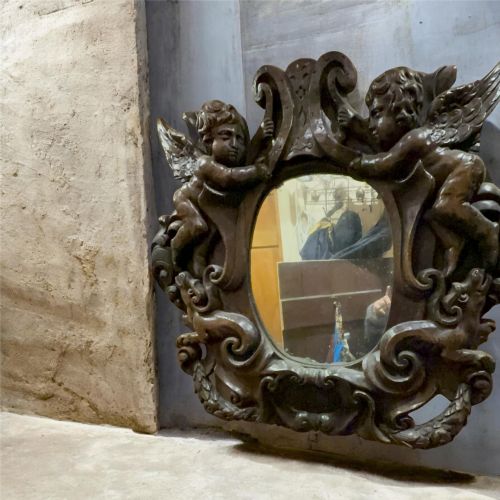


Baroque Wooden Frame
These pieces known as a baroque wooden frame deliver theatrical depth and heavy ornamentation to any wall, shaped by centuries of European craftsmanship.
Baroque Wooden Frame
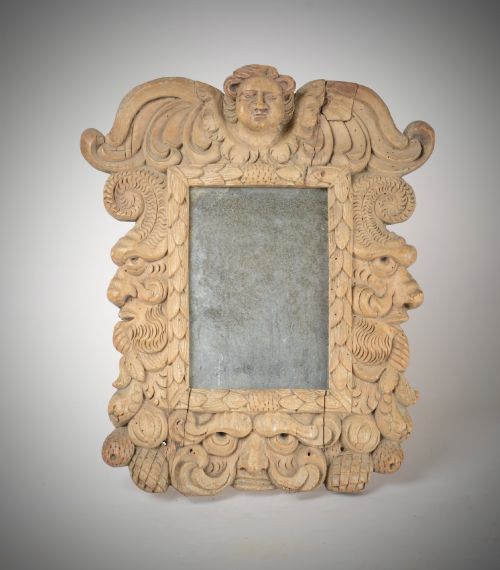
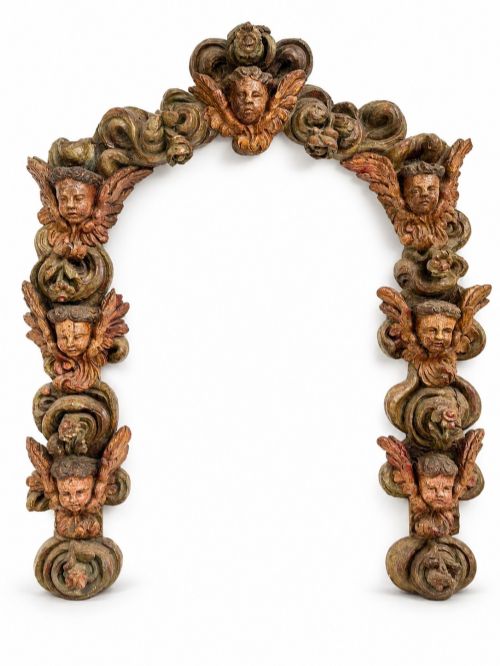
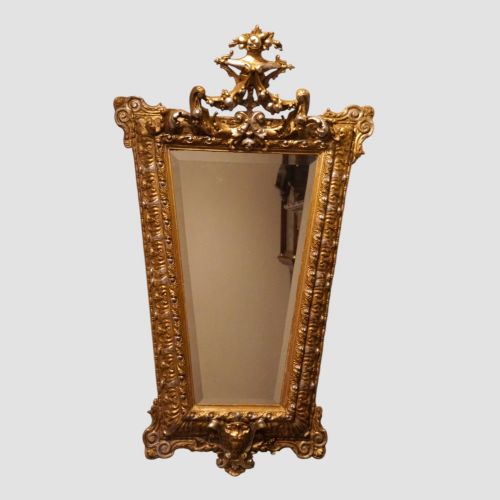
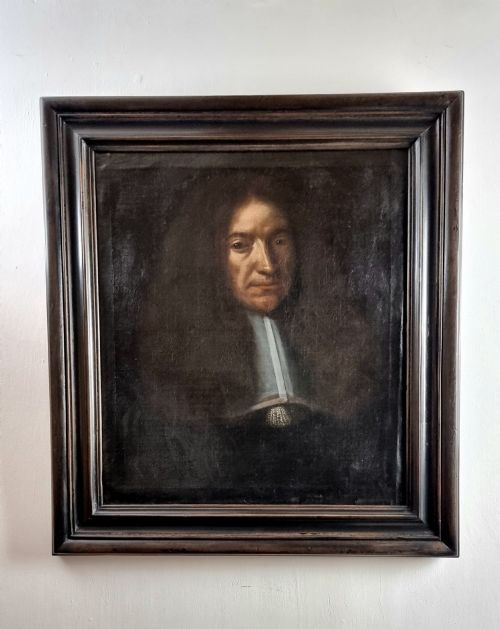
A baroque wooden frame brings monumental presence and intricate carving to domestic interiors, drawing on a design vocabulary rooted in seventeenth-century European excess. When searching for a baroque wooden frame, buyers encounter diverse forms ranging from standalone picture and mirror surrounds to architectural looking glasses and painted panels.
The versions most commonly met on this page originate primarily from the nineteenth century while adopting seventeenth and eighteenth-century styles. Surviving examples demonstrate heavy reliance on Italian, French, and Dutch aesthetic traditions.
Beyond standard wall mirrors and picture frames, the broader category includes occasional beds, side tables, and oil portraits encased within elaborate timber surrounds. These functional and decorative objects share a common lineage of sculptural carving and gilt embellishment.
How they were made
Makers shaped structural carcasses from dense timbers including oak, pine, limewood, and olive wood, often employing hand-carving techniques to achieve deep relief. This carved substrate provided the foundation for subsequent surface treatments.
Surfaces received layers of gesso to smooth imperfections before the application of gold leaf, silver-gilt, or paint. Artisans built up these compositional layers to catch candlelight and daylight within domestic settings.
Baroque Wooden Frame Retail Price Guide 2026
Typical asking prices for baroque wooden frame among the pieces listed under this phrase on Sellingantiques today, from the lower quarter to the upper quarter. They describe what is for sale here now, not the wider market.
Listings feature woods such as oak, pine, limewood, and olive wood, paired with surface treatments including gesso, gold leaf, and oil paint.
What varies in quality
Depth and crispness of the hand-carved relief separate superior examples from routine production. Superior pieces exhibit undercut foliage, scrolls, and figural elements carved directly into the timber rather than relying on heavy moulded composition.
The integrity of the original gilt or painted surface dictates the visual authority of the piece. Subtle burnished gold leaf ageing naturally over gesso holds greater aesthetic weight than flat modern metallic paints.
The Baroque Wooden Frame Glossary
- Giltwood
- Timber coated with gold leaf applied over a prepared gesso ground. This finish provides a luminous and reflective surface characteristic of formal European interiors.
- Gesso
- A plaster-like mixture applied to wood to create a smooth base for gilding or painting. It allows intricate fine detail to be modeled onto the carved frame.
- Pier glass
- A tall mirror designed specifically to hang on the wall space between windows. These mirrors amplified light in formal nineteenth-century and earlier rooms.
- Reliquary mirror
- A devotional mirror incorporating sacred motifs such as flaming hearts or religious iconography. These objects served both practical and spiritual functions in Italian interiors.
- Olive wood oyster
- Veneers cut transversely from small branches to produce circular or oval patterns resembling oyster shells. This technique appeared on seventeenth-century Dutch furniture and frames.
Baroque Wooden Frame: Frequently Asked Questions
How do I date a wooden frame?
Dating relies upon examining the underlying timber species, tool marks left by the carver, and the composition of the gesso layers beneath the gilding. Earlier seventeenth-century pieces often display hand-hewn construction marks and native European hardwoods.
Later nineteenth-century revivals imitate these historical styles while utilising machine-sawn timbers and standardised preparation methods. Comparing the wear patterns on the gilding helps confirm the age of the surface.
Where were these frames displayed?
Original seventeenth and eighteenth-century frames hung in formal reception rooms, palazzos, and chateaux to frame grand portraiture or landscape mirrors. They served as status symbols that commanded attention within heavily decorated architectural spaces.
Later nineteenth-century examples decorated domestic drawing rooms, hallways, and overmantels as interior design embraced historicist revivals. Their scale was chosen to dominate a specific wall or architectural niche.
How do I care for antique giltwood?
Maintain giltwood surfaces by dusting gently with a soft, dry ostrich feather duster to prevent particulate accumulation. Avoid chemical sprays, water, and abrasive cloths that strip delicate gold leaf from the underlying gesso.
Keep the frame away from direct heat sources and strong sunlight to prevent timber shrinkage and subsequent cracking of the gesso. Stable indoor humidity protects the structural integrity of both the wood and the gilded finish.