






Baroque Wood Wall Hanging
A baroque wood wall hanging brings dramatic carved timber, gilded surfaces, and deep historical presence into a room.
Baroque Wood Wall Hanging
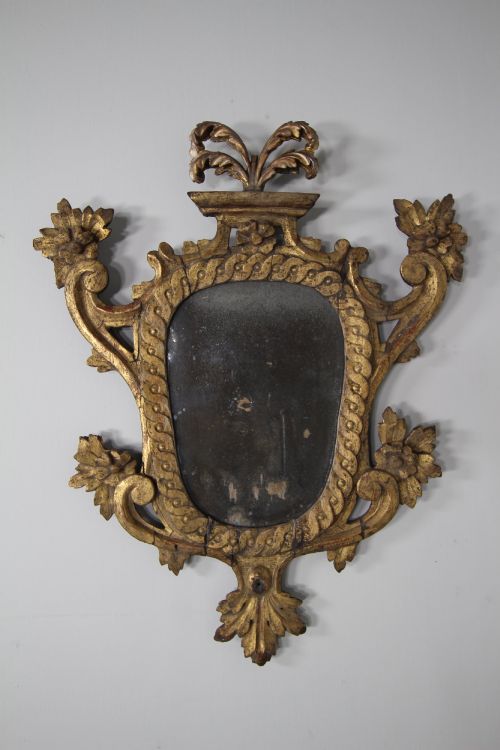
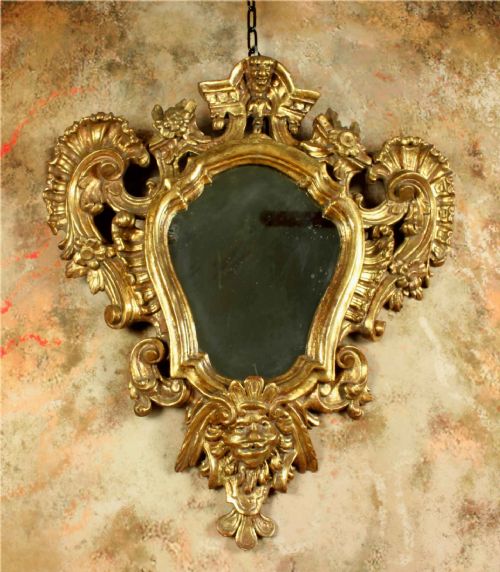
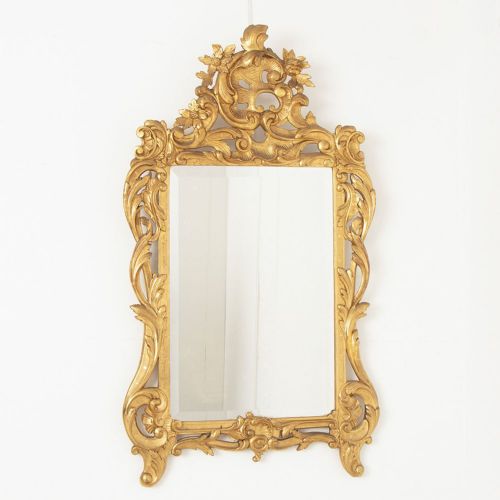
A baroque wood wall hanging most frequently takes the form of an ornate mirror, framed in carved timber, giltwood, or gesso. These pieces originate across Europe, with Italian, Venetian, and Flemish workshops heavily represented in the selection.
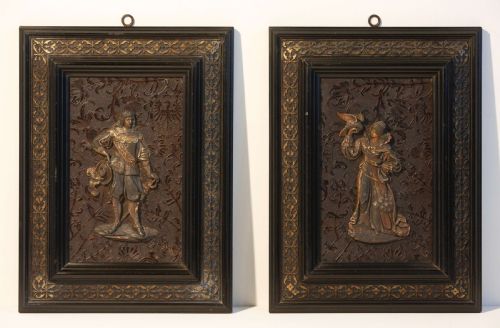
Beyond mirrors, the category encompasses carved oak panels, wall relief carvings, hanging lanterns, and corner cabinets. Wall plaques and sculpted figures in wood or gilded bronze also appear, spanning centuries from the seventeenth century through revivals in the nineteenth and early twentieth centuries.
How they were made
Carvers shaped solid timber bases from oak, walnut, pine, limewood, and general carved wood before applying gesso layers to prepare the surface for gilding. Artisans then applied gold leaf or silver leaf by hand to achieve rich metallic finishes on the carved scrolls, foliage, and masks.
Workshops utilised specialist joinery for structural forms like corner cabinets and hanging frames, alongside deep hand-chiselling for pictorial panels and sculptural putti. Mirror glass was fitted into these elaborate surrounds, sometimes framed by bevel edges and decorative crests.
Baroque Wood Wall Hanging Retail Price Guide 2026
Typical asking prices for baroque wood wall hanging among the pieces listed under this phrase on Sellingantiques today, from the lower quarter to the upper quarter. They describe what is for sale here now, not the wider market.
A solitary wooden cherub gazes out from the wall, having watched centuries of room layouts change beneath its golden wings.
What varies in quality
The integrity of the original gilded or silvered surface defines visual impact, with hand-applied gold leaf retaining a warmer, more nuanced texture than flat modern metallic paints. The weight of the timber and the complexity of architectural pediments or crests further separate standard decorative items from masterworks.
The Baroque Wood Wall Hanging Glossary
- Giltwood
- Timber that has been coated with gold leaf over a prepared gesso ground. This finish creates a luminous reflective surface characteristic of high-status wall hangings.
- Gesso
- A plaster-like mixture applied to wood surfaces as a smooth base for gilding and fine paintwork. It allows artisans to carve intricate details directly onto the primed substrate.
- Putti
- Depictions of plump, winged infant figures frequently carved into wooden frames and architectural panels. They appear commonly in Italian and continental baroque decorative art.
Baroque Wood Wall Hanging: Frequently Asked Questions
How do I hang a heavy carved wood mirror safely?
These substantial wooden pieces require robust wall fixings secured directly into masonry or structural studs rather than standard plasterboard. Professional mirror hangers utilise heavy-duty steel brackets or mirror plates rated to bear the combined weight of the timber frame and glass.
Ensuring the hanging wire or integrated D-rings are checked for stability protects both the antique frame and the wall below from accidental slips.
What is the difference between original baroque and revival pieces?
Seventeenth and eighteenth-century pieces display the authentic tool marks, material ageing, and construction methods characteristic of their original historical period. Revival pieces made during the nineteenth and early twentieth centuries emulate these grand styles using period machinery alongside traditional hand techniques.
Both categories offer decorative presence, but period-correct dating relies on timber analysis, joinery inspection, and historical surface wear.
Can walnut and oak wall cabinets be used for storage?
Hanging corner cabinets and wall cupboards provide functional enclosed storage scaled for smaller rooms or transitional spaces. Their internal shelves hold lightweight objects securely behind hinged wooden doors.
Overloading these antique fixtures should be avoided to protect the original wall fixings and historical hinge hardware from undue strain.