






Baroque Wall Table
A baroque wall table brings theatrical scale and carved presence into a room, serving as a focal point designed to anchor a grand interior.
Baroque Wall Table
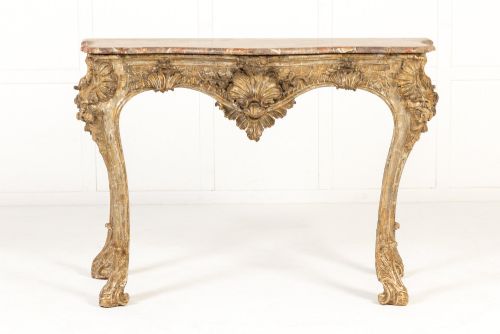
A baroque wall table primarily takes the form of a console table designed to stand flat against a room's surface, frequently surmounted by a heavy stone or marble slab. The pieces found here span origins from Italy, Britain, and the Netherlands, taking shape across the seventeenth, eighteenth, and nineteenth centuries.
Makers often configured these large furnishings as console tables, whilst related artistic records include oil paintings depicting subjects beside them. The decorative vocabulary encompasses distinct regional revivals alongside period originals, capturing grand architectural proportions.
Proportions remain generous, designed to command a hallway or principal reception room with heavy architectural authority. Buyers meet both giltwood showpieces and understated walnut or painted surfaces within this selection.
Materials and Construction
Carved wood provides the structural framework for these tables, employing species such as walnut alongside softer timbers designated for intricate relief work. Artisans applied gesso over the timber base to build up smooth surfaces before applying gold leaf or paint.
Marble tops feature heavily across the selection, providing a cool, heavy counterpoint to the carved wooden bases below. Gilding and silver gilding techniques dominate the decorative finishes, creating reflective surfaces that catch natural light.
Baroque Wall Table Retail Price Guide 2026
Typical asking prices for baroque wall table among the pieces listed under this phrase on Sellingantiques today, from the lower quarter to the upper quarter. They describe what is for sale here now, not the wider market.
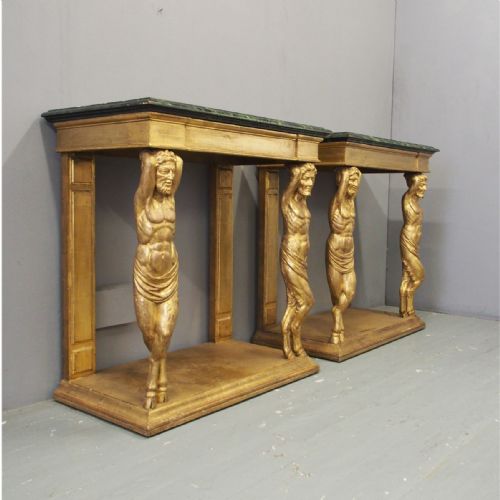
Several tables rely on carved stone-pawed beasts, eagles, and putti to hold up the heavy marble tops without breaking a sweat.
Assessing Quality and Execution
The crispness of the wood carving dictates the standard of execution, separating hurried workshop production from master craftsmanship. Deep undercut relief work on acanthus leaves, figures, and lion supports demonstrates superior sculptural skill.
The integration between the heavy stone top and the wooden underframe marks the thoughtfulness of the design. Original gilding and untouched surface patination command greater appreciation than later repainting or regilding efforts.
Sir Godfrey Kneller
The Baroque Wall Table Glossary
- Console table
- A table designed to be fixed against a wall, traditionally supported by two or more ornamental legs or brackets.
- Giltwood
- Timber that has been coated with thin gold leaf or powder over a prepared gesso ground.
- Breccia marble
- A composite stone made of broken fragments embedded in a fine-grained matrix, frequently utilised for tabletops.
- Gesso
- A plaster mixture consisting of a binder mixed with chalk, gypsum, or pigment, applied to wood as a base for gilding.
Baroque Wall Table: Frequently Asked Questions
What is a baroque wall table?
A baroque wall table is a large, heavily ornamented console designed to stand flat against a partition wall. These pieces frequently feature carved wooden bases paired with stone or marble tops.
Originating in grand European interiors, they functioned as monumental display surfaces rather than dining furniture. Their dramatic scale suits large entrance halls and principal reception rooms.
How were console tables used historically?
Console tables served primarily as display furniture for silver, porcelain, and decorative objects in formal reception rooms. Their placement against walls provided stability without requiring freestanding support.
In grand houses, they often stood beneath large mirrors or paintings to create a cohesive decorative arrangement. They were central to the theatrical presentation of a room's interior architecture.
How do I style a wall table today?
Placing a large mirror or an oil painting directly above the table helps anchor its substantial visual weight in a modern room. Keeping the surface styling uncluttered allows the intricate carving of the wood to remain visible.
They work particularly well in wide hallways, living rooms, or dining spaces where a focal point is required. Their flat backs ensure they sit flush against the partition without interrupting room flow.
How can I tell the period apart?
Period pieces from the seventeenth and eighteenth centuries display hand-carved details with organic tool marks and natural ageing in the gesso. Revival pieces from the nineteenth century often incorporate heavier proportions and machine-assisted finishing alongside traditional methods.
Examining the underside reveals construction methods, timber shrinkage, and fastener types that indicate the era of manufacture. Regional traits, such as Italian versus Dutch carving styles, further clarify the origin.