

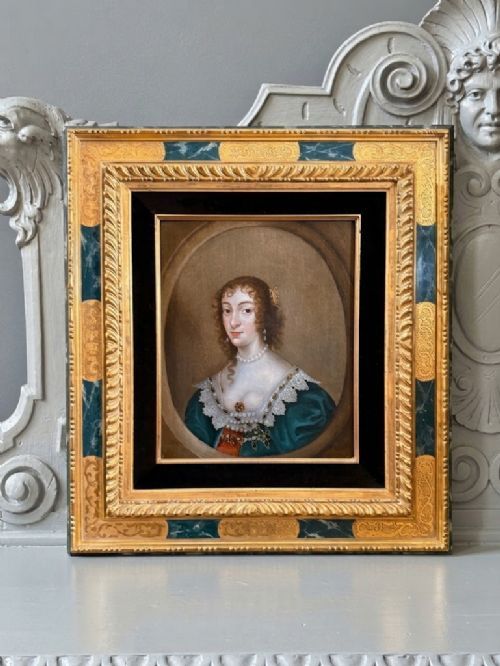
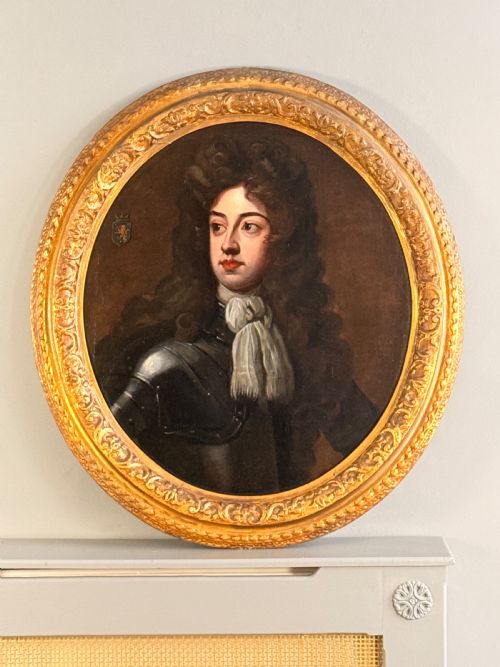
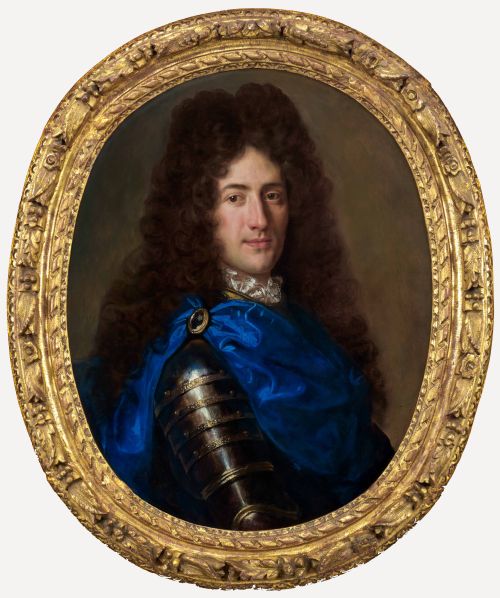
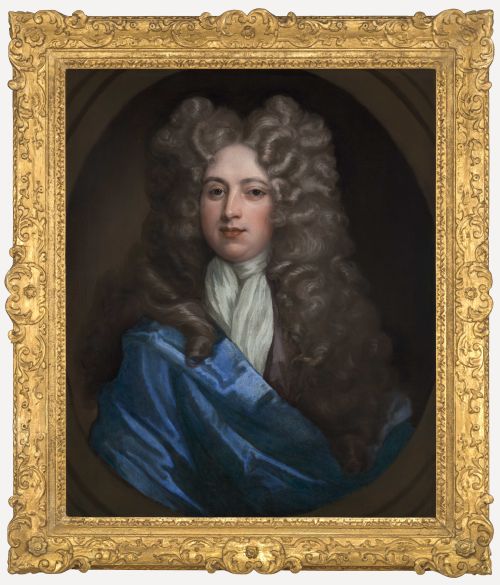
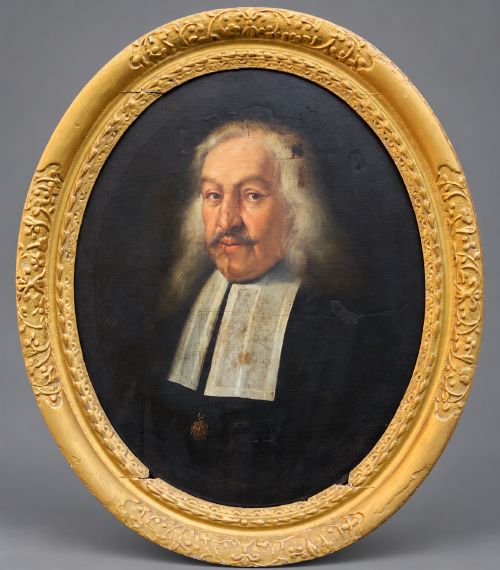
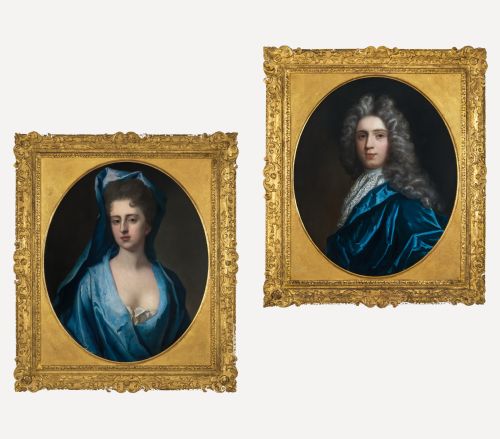
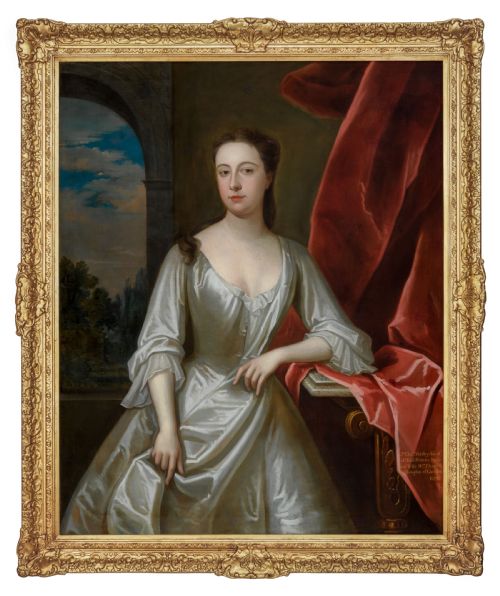
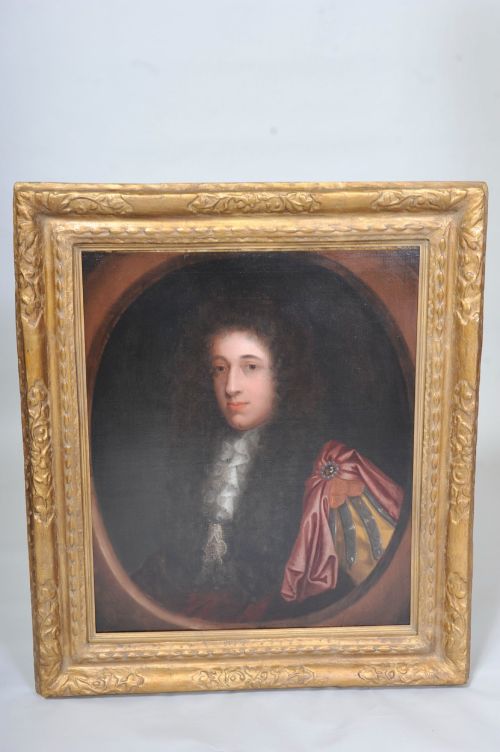
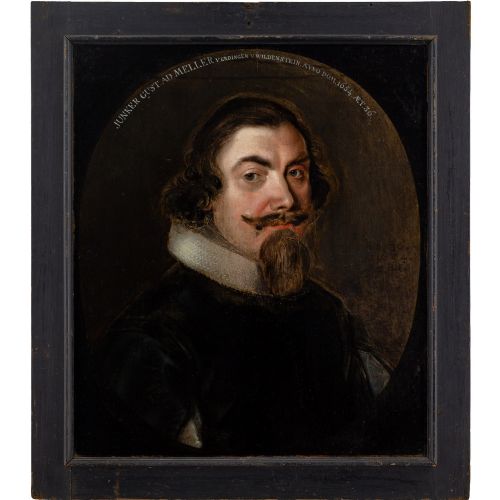
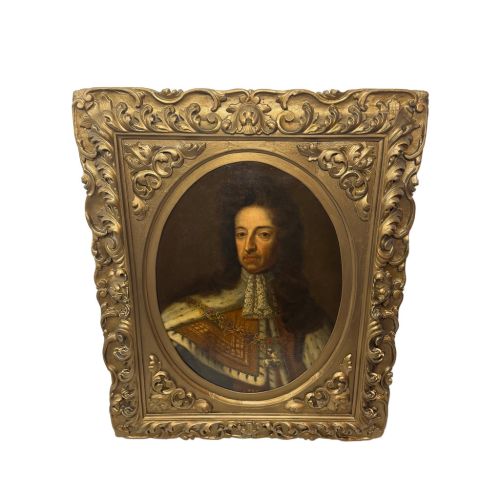
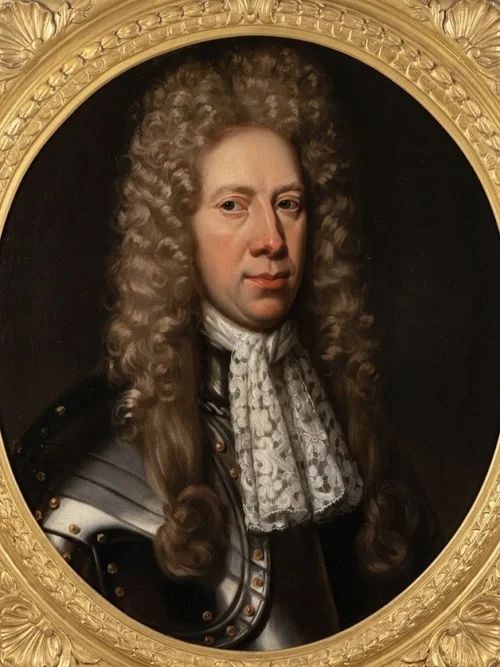
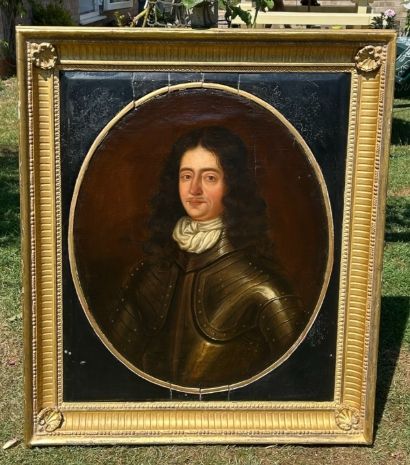


Baroque Oval Frame
When you search for a baroque oval frame, you are looking at centuries-old craftsmanship designed to elevate oil paintings and wall mirrors.
Baroque Oval Frame
A baroque oval frame surrounds oil paintings, wall mirrors, and portrait miniatures originating from the seventeenth and eighteenth centuries.
Most examples encountered here accompany portraits of gentlemen and ladies, alongside still lifes and early wall mirrors.
The aesthetic stems from English, Italian, French, German, and Flemish schools spanning the seventeenth century through the Georgian era.
How They Were Made
Carved wooden foundations provide the structural base, layered with gesso to receive intricate ornamentation.
Giltwood, gold leaf, and silver gilt finishes are applied to the prepared surfaces to achieve a luminous metallic sheen.
Mirrors utilise original mercury plates, while paintings use oil on canvas or board secured within the timber mouldings.
Baroque Oval Frame Retail Price Guide 2026
Typical asking prices for baroque oval frame among the pieces listed under this phrase on Sellingantiques today, from the lower quarter to the upper quarter. They describe what is for sale here now, not the wider market.
Listings feature oil on canvas paintings and wall mirrors spanning the seventeenth century to the Victorian era.
What Varies in Quality
The depth and intricacy of the hand-carved wood ornamentation dictate the refinement of the piece.
The integrity of the original giltwood or gold leaf surface determines the visual preservation of the object.
The alignment between the period of the frame and the artwork it holds reflects the historical cohesion of the assembly.
Joseph Vivienne·Michael Dahl·Thomas Murray·Sir Godfrey Kneller·Charles Jervas·John Scougall·Pieter Borseler·Mary Beale·Pieter Nason·Cornelius Johnson·Robert Byng·John Riley·Willem Wissing·Sir Peter Lely·Arnold van Boonen
The Baroque Oval Frame Glossary
- Gesso
- A plaster mix applied to wood surfaces to create a smooth base for gilding. This mixture allows carvers to achieve sharp relief details.
- Giltwood
- Timber coated with gold leaf or metal powder applied over a prepared ground. It provides a durable and reflective metallic finish.
- Mercury Plate
- A glass mirror backing created using a tin and mercury amalgam. This technique produces a distinctive mottled and reflective appearance.
- Baroque
- An artistic style characterised by elaborate ornamentation and dramatic movement. It flourished across Europe throughout the seventeenth and eighteenth centuries.
Baroque Oval Frame: Frequently Asked Questions
How do I identify a seventeenth century frame?
Seventeenth century frames exhibit deep, hand-carved wooden profiles often finished in genuine gold leaf or silver gilt over a traditional gesso layer.
Closer inspection reveals tool marks and subtle asymmetries characteristic of period handcraftsmanship rather than later machine production.
How do I care for antique giltwood?
Giltwood surfaces require protection from direct sunlight and stable indoor humidity to prevent the gesso and wood from shifting.
Gentle dusting with a dry, soft brush preserves the delicate gold leaf without damaging the historic finish.
Can I hang a heavy antique frame safely?
Due to the dense carved timber and plaster composition, these pieces possess substantial weight.
Secure wall fixings and professional load-bearing brackets ensure safe installation without straining the original wooden structure.