

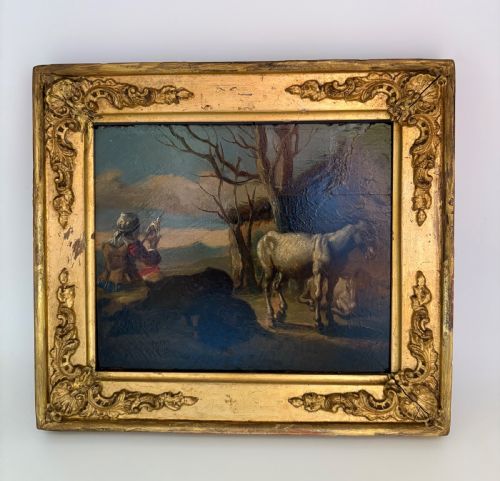


Baroque Oil on Panel
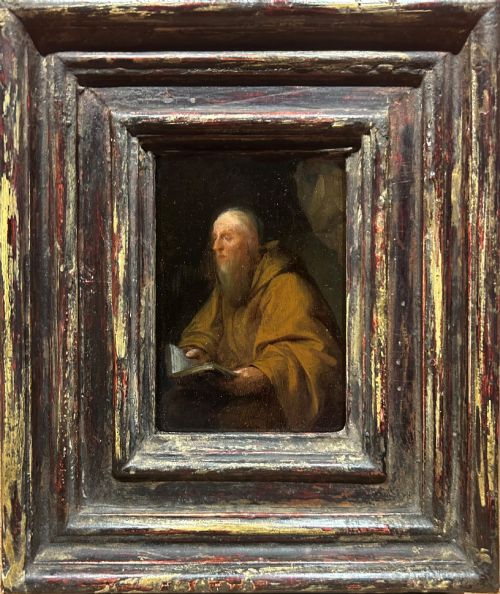
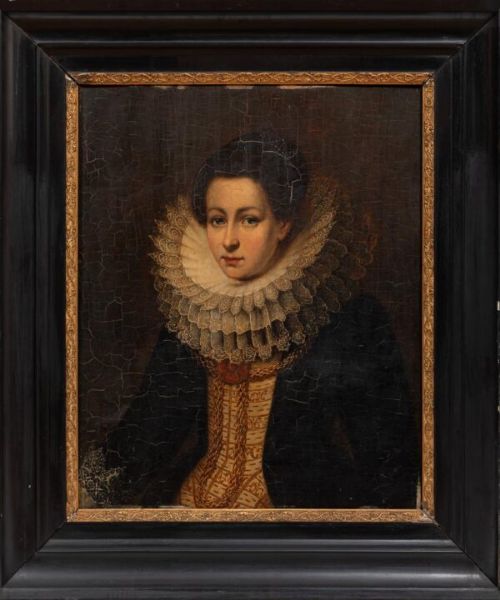
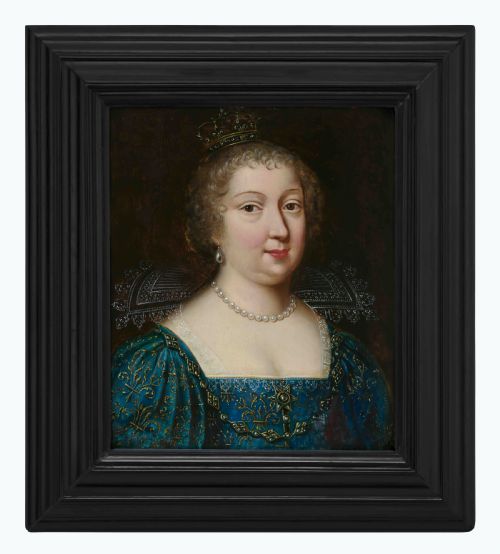
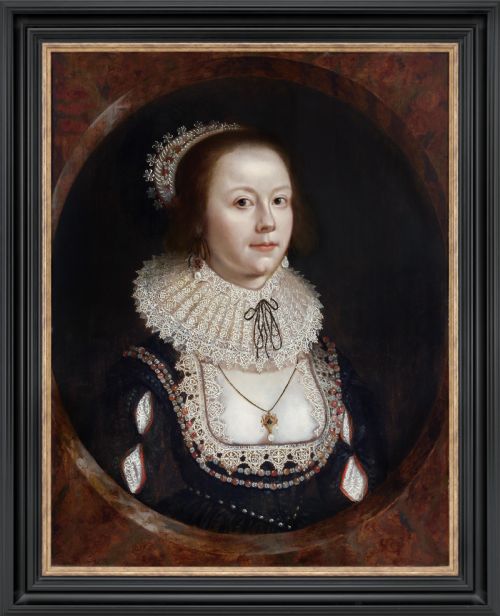
These baroque oil on panel works bring rich portraiture and quiet landscapes straight to your walls.
Baroque Oil on Panel
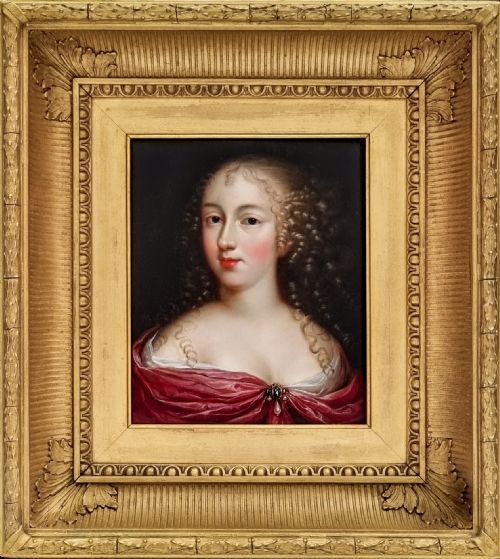
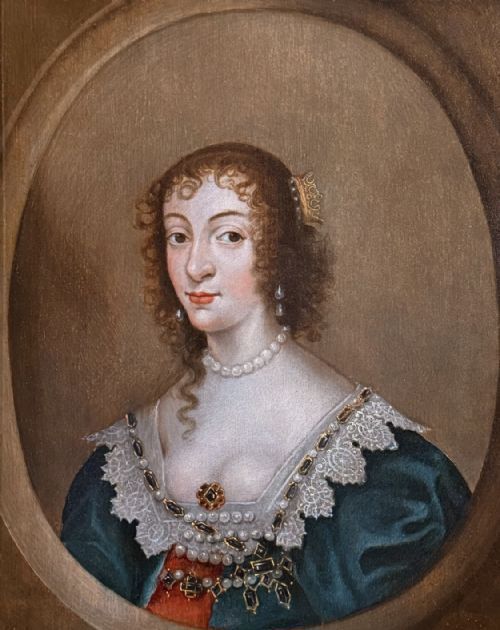
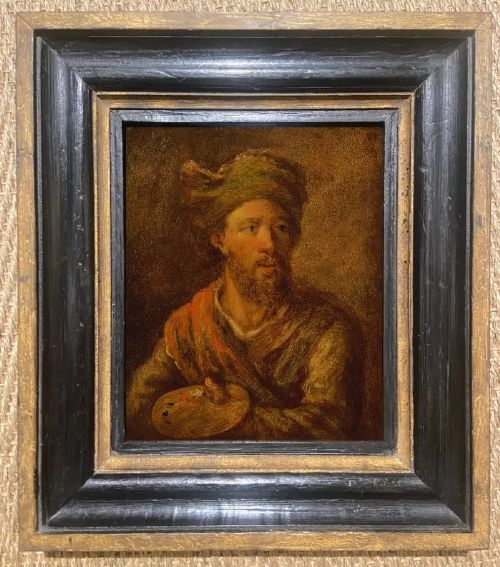
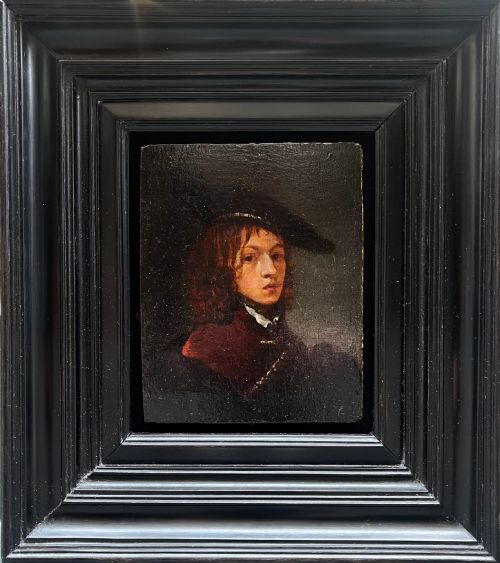
A baroque oil on panel painting captures the striking depth and dramatic lighting characteristic of the seventeenth and eighteenth centuries. You will most frequently encounter intimate portraits of noble figures alongside pastoral landscapes and floral still lifes.
The selections span English, Dutch, French, and Italian schools, reflecting the varied regional tastes of the period. Oak panel and fruitwood substrates provide the sturdy foundation for these historic oil paint layers.
Works range from seventeenth century originals associated with notable European schools down to later nineteenth century interpretations and twentieth century boards. Each piece carries the distinct textures of oil on wood that define this enduring search phrase.
Materials and Technique
Painters applied rich oil paint directly onto rigid wooden supports such as oak panel or fruitwood panel, ensuring a stable ground that endured across the centuries. Pigments built up through careful glazing create the luminous shadows and highlights typical of the style.
Many surviving examples retain their period frames, incorporating carved giltwood and gold leaf with floral motifs. These elaborate surrounds were designed to complement the theatrical presence of the paintings within.
Listings feature oak panels and fruitwood panels painted in oil, framed in giltwood and gold leaf.
Judging Quality
Condition of the wooden panel and stability of the oil paint layer dictate long-term integrity. Original giltwood frames with authentic period ornamentation also contribute significantly to the standing of the piece.
The Baroque Oil on Panel Glossary
- Panel
- A rigid support of wood, such as oak or fruitwood, used by artists instead of canvas. This firm ground prevents the flexing that can crack oil paint over time.
- Giltwood
- Wood carved and coated with gold leaf or metallic powder to create a brilliant decorative surface. Baroque frames often utilise this technique to enhance the drama of the artwork.
- Circle of
- A designation indicating the artist worked in the studio or under the direct influence of a master. It denotes proximity to a known hand without claiming direct authorship.
- Still life
- An artwork depicting inanimate subject matter, typically commonplace objects or natural items like flowers and fruit. In seventeenth century works, these often carried symbolic meanings.
- Attributed to
- A term used when a painting is considered likely by a specific maker based on stylistic evidence. It reflects expert opinion rather than signed documentation.
Baroque Oil on Panel: Frequently Asked Questions
How do I care for an oil on panel painting?
Keep the artwork away from direct sunlight and dramatic shifts in temperature or humidity. Wood panels expand and contract with the environment, so stable indoor conditions are essential.
Dust the surface gently with a soft, dry brush and avoid using liquid cleaners or abrasive cloths on either the panel or the frame.
What subjects appear in these paintings?
Portraits dominate the selections, featuring figures in elaborate attire with lace collars and jewels. You will also discover pastoral landscapes, narrative scenes with figures, and detailed flower still lifes.
Many pieces reflect the artistic traditions of Dutch, English, French, and Italian schools from the seventeenth century onward.
Are these works painted on canvas?
No, these specific listings utilise solid wood supports rather than stretched fabric. Painters employed oak panels, fruitwood panels, and general wood boards as rigid foundations for their oil pigments.
This wooden substrate creates a different weight and texture compared to traditional canvas works.
How can I tell the age of the panel?
Examine the reverse of the wood for tool marks, grain patterns, and signs of natural ageing appropriate to seventeenth or eighteenth century preparation. Dendrochronology can date the wood precisely, though visual inspection of the panel construction offers initial clues.
Associated frames and historical attribution notes inscribed on the back often provide further context regarding the age of the piece.