




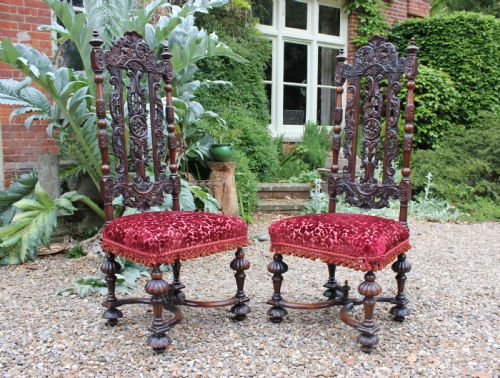


Baroque Hall Chair
A baroque hall chair brings heavy carving, rich timber and dramatic scrollwork straight from historic interiors into modern spaces.
Baroque Hall Chair
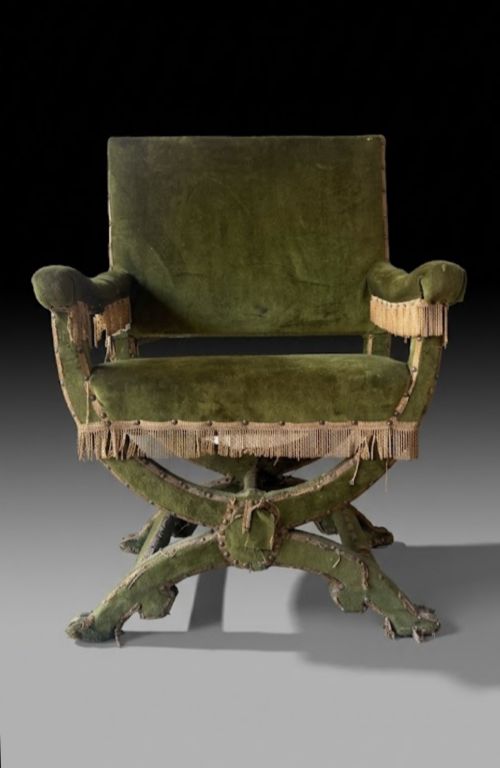
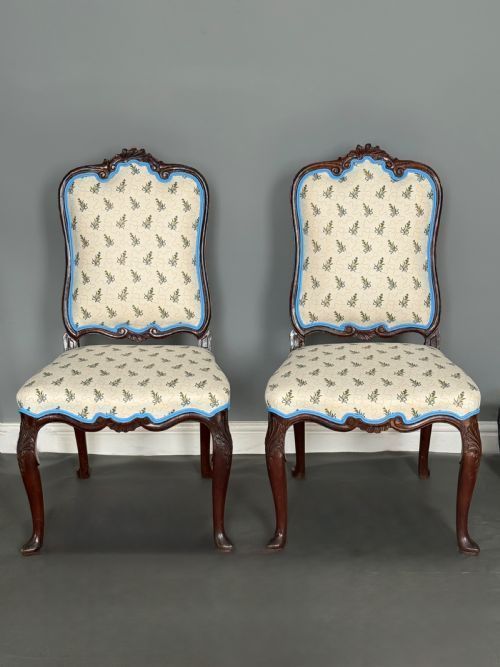
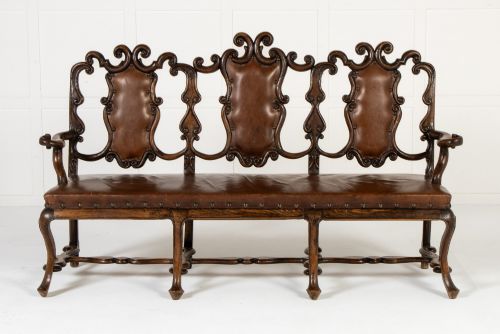
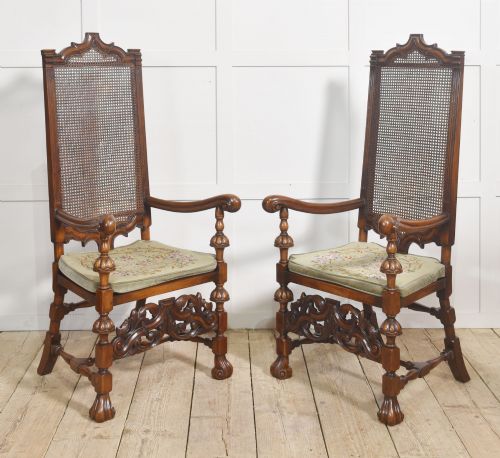
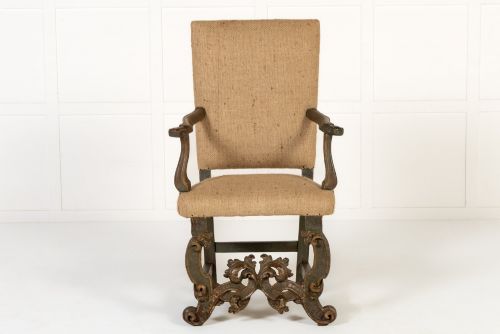
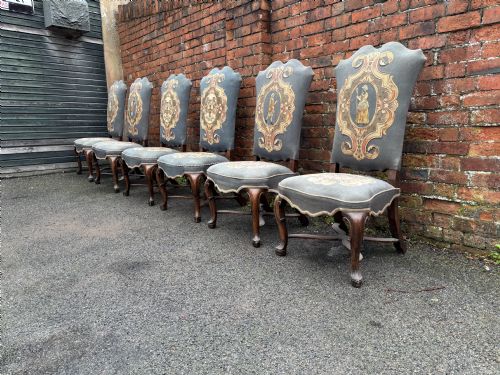
A baroque hall chair is a striking seating option rooted in centuries of ornate European design, appearing across this page in forms ranging from side chairs and armchairs to settees. You are most likely to encounter 18th-century and 19th-century examples shaped by Italian, Dutch, Portuguese and Carolean traditions.
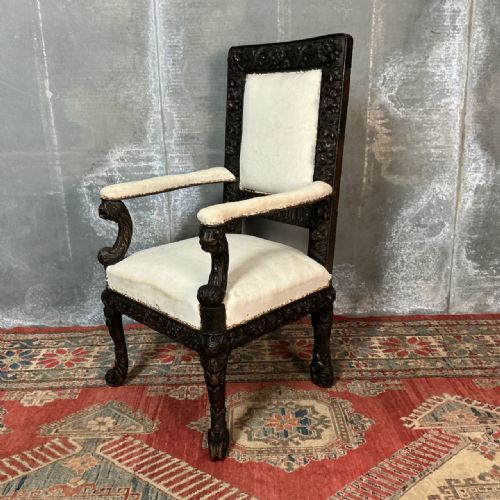
The selection includes timber frames styled with high backs, deep relief carving and occasional revival aesthetics from the Victorian era. These pieces function as dramatic focal points in corridors, reception rooms and grand entrances.
Makers utilised robust timbers and decorative upholstery to create substantial seating that communicates status and age. Surviving pieces demonstrate the enduring appeal of heavy carving and traditional joinery.
What varies in quality
Quality rests in the depth and sharpness of the wood carving, where crisply defined acanthus leaves and scrolls separate masterwork execution from routine production. The choice of timber grain and the integrity of the original joints also set superior examples apart.
The preservation of early materials, whether intact cane work, period leather or historic textiles, dictates the historical weight of the piece. Refinished surfaces or replaced structural elements shift a chair's standing among purists.
Baroque Hall Chair Retail Price Guide 2026
Typical asking prices for baroque hall chair among the pieces listed under this phrase on Sellingantiques today, from the lower quarter to the upper quarter. They describe what is for sale here now, not the wider market.
Some 17th-century chairs feature cane work so tight that generations of sitters have left no trace of a sag.
The Baroque Hall Chair Glossary
- Carolean
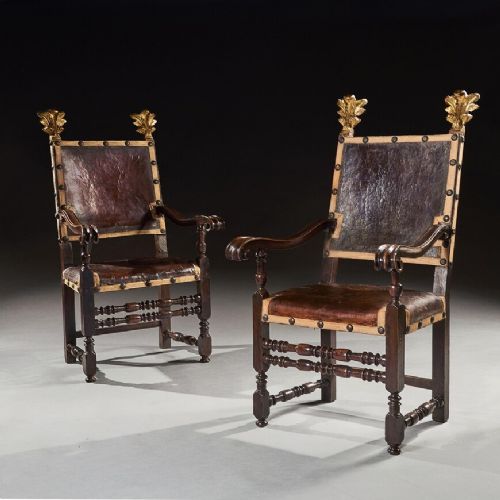
- A style spanning the mid to late 17th century characterised by rich walnut frames, crown and scroll motifs, and tall cane backs. This aesthetic heavily influenced later revival seating.
- Parcel-gilt
- A decoration method where selected portions of a timber frame are highlighted with thin layers of gold leaf. It creates dramatic contrast against dark walnut or ebonised wood.
- Cane
- Woven rattan or split reed used to form breathable seat panels and backrests. It requires careful hand-weaving around the frame aperture.
- Savonarola chair
- A folding chair constructed from multiple intersecting wooden curves forming a richly decorative X-shape. Originating in the Renaissance, this form persisted into later revival periods.
- Bone inlay
- Small pieces of carved bone inserted into recesses within the wooden surface to form geometric or floral patterns. It appears on distinctive Iberian seating.
Baroque Hall Chair: Frequently Asked Questions
Where should I place a baroque hall chair?
These striking chairs suit spacious hallways, landings or living rooms where their tall backs and carved frames can be fully appreciated.
Because they make a strong visual statement, they often function best as singular accent pieces rather than clustered around a standard dining table.
How do I care for leather and cane seats?
Leather upholstery benefits from periodic conditioning to maintain flexibility and prevent the natural material from drying out.
Cane panels require gentle dusting and occasional light moisture on the underside to keep the plant fibres resilient and prevent snapping.
How can I tell a 17th-century chair from a 19th-century revival piece?
Early pieces display tool marks, timber shrinkage and construction methods consistent with period hand-tools and older seasoning techniques.
Revival furniture often shows machine-cut precision, heavier uniform framing, and styling that borrows from multiple historic decades at once.
Were these chairs meant for daily sitting?
Historic seating of this scale was often designed to demonstrate social standing and furnish grand entryways rather than provide casual lounging comfort.
Their rigid wooden backs and upright postures encourage formal seating, making them ideal for occasional use.